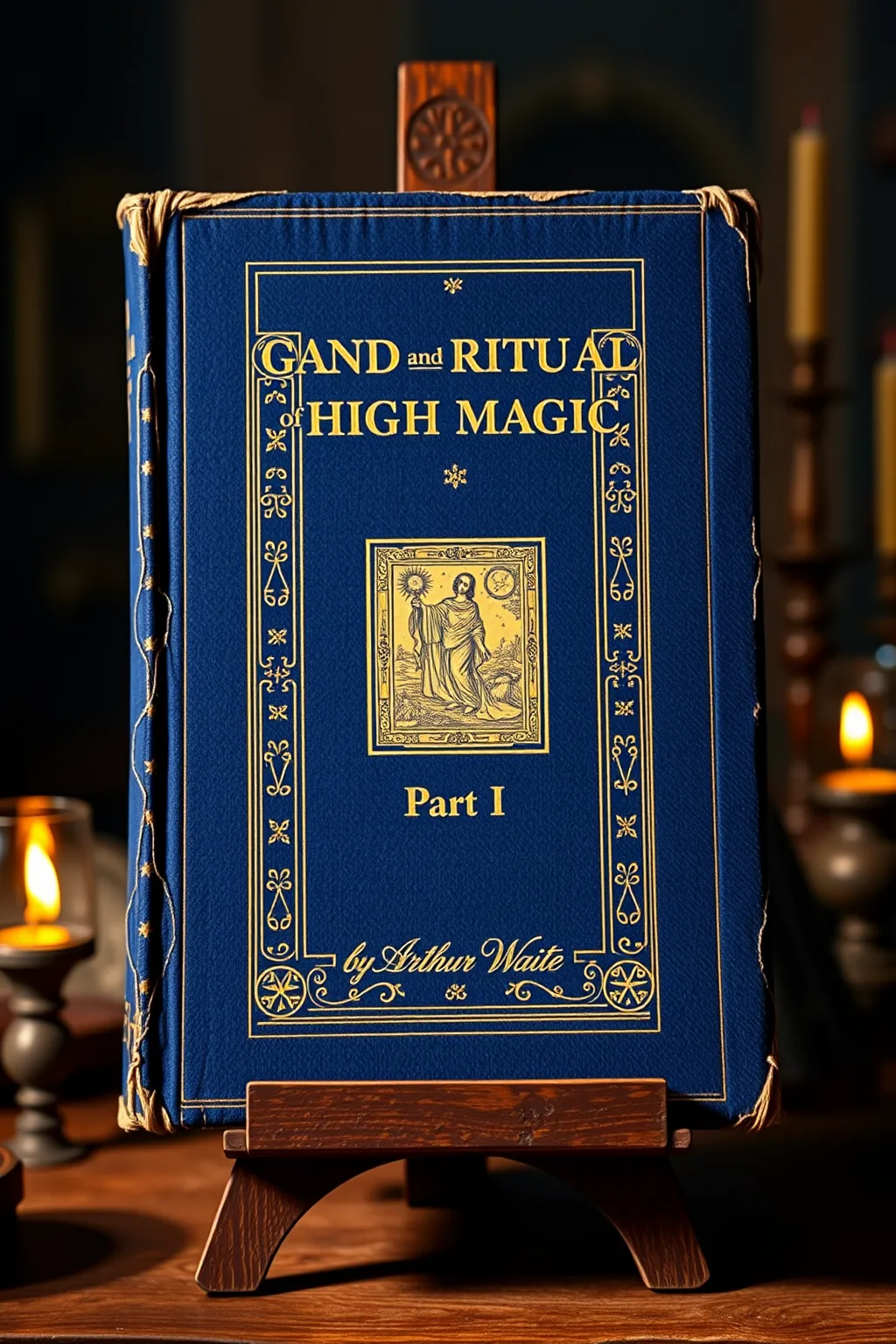
Dogma and Ritual of High Magic Part I
 95
95

Dogma and Ritual of High Magic Part I

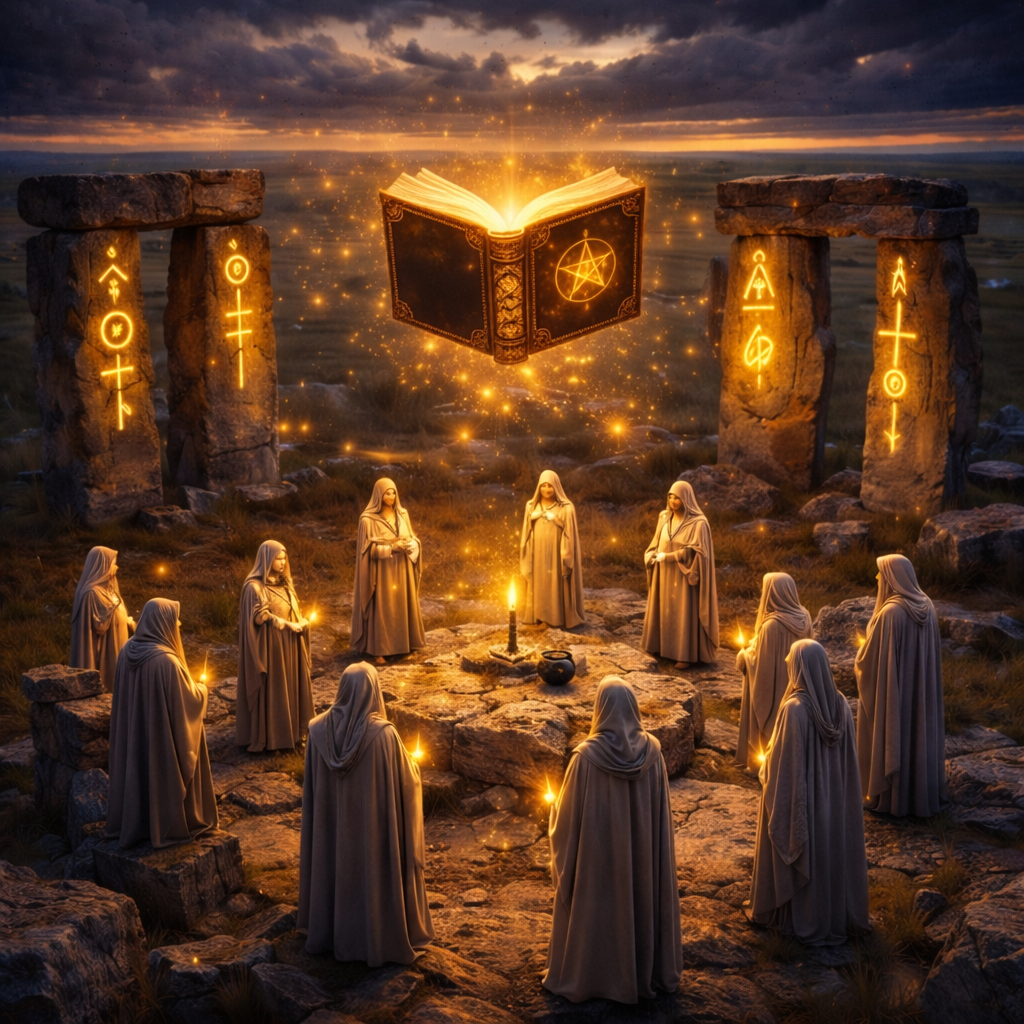

Cassian Rothmann (Senior Critic, Ancient Wisdom) — Arthur Edward Waite's 'Dogma and Ritual of High Magic Part I' stands as an indispensable cornerstone for any serious student of the Western Esoteric Tradition. Waite masterfully navigates the complex tapestry of occult philosophy, revealing the intricate symbology and theoretical frameworks that underpin high ceremonial magic. His scholarly approach offers clarity without sacrificing depth, making the profound accessible to the dedicated reader. This volume is particularly potent for those seeking to understand the 'why' behind magical practice, delving into the philosophical and theological underpinnings. It’s a rigorous, rewarding journey for the intellectual occultist and the aspiring adept alike.
📝 Description
95
Arthur Edward Waite published 'Dogma and Ritual of High Magic Part I' in 1893, detailing occult theory and ceremony.
Arthur Edward Waite's 'Dogma and Ritual of High Magic Part I,' first published in 1893, examines the theoretical basis and ceremonial practices of High Magic. Waite, known for his work on Hermeticism and Rosicrucianism, structures the book around esoteric doctrine and occult lore. It addresses the symbolic language, divine correspondences, and the underlying philosophy of magical systems.
The text requires careful study, focusing on intellectual rigor and a deep engagement with spiritual concepts. It is written for individuals seriously interested in the occult, those considering metaphysical forces, and practitioners needing a solid theoretical foundation for their magical work. This volume is more than a manual; it is a philosophical treatise on reality, human spiritual capacity, and the cosmic order.
This work is situated within the late 19th-century revival of Western esotericism. Waite, a significant figure in occult scholarship of the era, draws heavily on traditions like Hermeticism and Rosicrucianism, which experienced renewed interest and reinterpretation. The book engages with the symbolic language and philosophical underpinnings that characterized these movements, aiming to provide a structured understanding of occult practices rooted in historical and mystical traditions.
💡 Why Read This Book?
Immerse yourself in the foundational principles of high magic, explored through the lens of a renowned occult scholar. This book offers a profound understanding of magical theory, symbolism, and ritual structure, essential for any serious seeker of hidden knowledge. Ideal for practitioners looking to deepen their theoretical grounding and scholars interested in the history of Western esotericism.
⭐ Reader Reviews
Honest opinions from readers who have explored this book.
❓ Frequently Asked Questions
What is the primary focus of 'Dogma and Ritual of High Magic Part I'?
This volume primarily focuses on the theoretical and philosophical underpinnings of high magic, detailing its dogmas, principles, and the symbolic language used in occult practices. It lays the groundwork for understanding the 'why' before delving into the 'how'.
Is this book suitable for beginners in magic?
While comprehensive, the text is dense and requires dedicated study. It is best suited for those with a foundational interest in occultism or philosophy, rather than absolute beginners seeking quick practical spells.
What is Arthur Edward Waite's background?
Arthur Edward Waite was a prolific writer and scholar of the occult, a leading figure in the Hermetic Order of the Golden Dawn, and a significant contributor to the study of Western esotericism, Tarot, and Freemasonry.
Does this book contain practical spells or rituals?
Part I primarily focuses on the theoretical 'dogma'. While it discusses the principles behind ritual, the detailed execution of specific rites is more extensively covered in Part II of the work.
What esoteric traditions does Waite draw upon?
Waite synthesizes knowledge from various esoteric traditions, including Hermeticism, Kabbalah, Rosicrucianism, and ceremonial magic, offering a broad yet interconnected view of occult philosophy.
🔮 Key Themes & Symbolism
The Architecture of Esoteric Thought
Waite meticulously constructs the philosophical framework of high magic, detailing its conceptual foundations and the logical progression of occult belief. He explores how ancient wisdom traditions converge, forming a cohesive system of understanding the universe and humanity's place within it. This theme examines the 'dogma' – the core tenets and principles that govern magical operations and esoteric worldviews. It emphasizes the importance of intellectual understanding as a precursor to effective practice, clear the intricate web of correspondences and divine laws that the magician seeks to understand and influence.
The Language of Sacred Symbolism
This volume is a valuable collection of esoteric symbolism, dissecting the rich visual and conceptual language used in magical traditions. Waite guides the reader through the interpretation of archetypal imagery, divine names, and geometric forms that serve as keys to unlocking deeper spiritual truths. The focus is on how symbols act as bridges between the mundane and the divine, representing complex metaphysical ideas in accessible forms. Understanding this symbolic lexicon is presented as crucial for comprehending magical texts and performing rituals with genuine intent and efficacy.
The Principles of Ceremonial Magic
Part I lays the theoretical groundwork for understanding the 'ritual' aspect of high magic. It elucidates the philosophical rationale behind structured magical operations, the importance of intent, will, and purity of purpose. Waite explores how ceremonies are designed to align the practitioner with cosmic forces, invoke spiritual intelligences, and effect transformation within the self and the outer world. This theme highlights the disciplined and systematic approach required in ceremonial magic, emphasizing its role as a sacred art form aimed at spiritual evolution and attainment.
💬 Memorable Quotes
Direct passages from the work, attributed to the author.
“Ritual is the visible expression of invisible truths.”
— This highlights the core function of magical ceremony: to manifest abstract spiritual concepts and energies into a tangible, perceivable form.
“The alphabet of the cosmos is written in symbols.”
— This emphasizes the profound importance of symbolism in understanding the universe, suggesting that all of creation communicates through a hidden, symbolic language.
“True magic begins where dogma ends, but dogma provides the map.”
— This acknowledges that while dogma offers structure and guidance, the ultimate experience of magic transcends rigid rules, requiring personal exploration.
“The magician is a translator between worlds.”
— This defines the magician's role as a conduit, bridging the gap between the material and spiritual realms through knowledge and practice.
💡 Key Ideas
Editorial paraphrase of the work's core concepts — not direct quotes.
The arcane is not a mystery to be solved, but a world to be entered.
This quote suggests that the esoteric path is not about intellectual puzzle-solving, but about experiential immersion and transformation within a hidden reality.
🌙 Esoteric Significance
Tradition
This work is deeply rooted in the Western Esoteric Tradition, drawing heavily from Hermeticism, Kabbalah, Rosicrucianism, and ceremonial magic. Waite synthesizes these strands, presenting a unified, theoretical framework for understanding the cosmos, humanity, and the path of spiritual attainment through magical practice. It represents a significant effort to systematize and legitimize occult knowledge within a scholarly context, making it accessible to those dedicated to its study.
Symbolism
The text is rich with esoteric symbolism, interpreting key archetypes, divine names, planetary correspondences, and geometric patterns as vital components of magical understanding. Waite explains how these symbols act as conduits for divine energy and carriers of profound metaphysical truths. He illustrates how mastering the language of symbolism is essential for both the intellectual comprehension of magical principles and the effective execution of ritual, allowing the practitioner to communicate with higher intelligences and the subtle forces of the universe.
Modern Relevance
Despite its historical origins, 'Dogma and Ritual of High Magic Part I' remains remarkably relevant for contemporary seekers of esoteric knowledge. It provides a robust theoretical foundation for understanding modern magical systems and spiritual philosophies. The emphasis on intellectual rigor, symbolic interpretation, and the philosophical underpinnings of practice offers timeless wisdom for anyone exploring consciousness, the nature of reality, or personal spiritual development. It serves as an enduring guide for those who wish to move beyond superficial occultism towards a deeper, more meaningful engagement with the hidden dimensions of existence.
👥 Who Should Read This Book
This key work is indispensable for serious students of Western Esotericism, offering a comprehensive theoretical framework for high magic. **Beginners** with a strong philosophical inclination will find it a challenging yet rewarding introduction to occult principles. **Scholars** of comparative religion and mysticism will appreciate Waite's meticulous scholarship and synthesis of diverse traditions. **Seekers** of deeper spiritual understanding and hidden knowledge will discover clear insights into the nature of reality and consciousness. **Practitioners** aiming to deepen their theoretical grounding and refine their understanding of ritual will find it an essential, foundational text.
📜 Historical Context
Published in the late 19th and early 20th centuries, 'Dogma and Ritual of High Magic' emerged during a vibrant period of occult revival in Europe. This era saw a resurgence of interest in ancient wisdom, Hermeticism, Kabbalah, and ceremonial magic, fueled by scholars and practitioners seeking alternatives to prevailing materialism and organized religion. Arthur Edward Waite, a prominent figure in the Hermetic Order of the Golden Dawn, was instrumental in codifying and disseminating these traditions. His work reflects the intellectual climate of the time, characterized by a blend of rigorous scholarship, mystical exploration, and a desire to uncover the hidden spiritual underpinnings of existence. The book became a starting point for a generation of occultists, offering a comprehensive synthesis of theoretical knowledge and ritualistic practice that profoundly influenced subsequent developments in Western esotericism.
📔 Journal Prompts
Reflect on the relationship between 'dogma' and personal spiritual experience in your own life.
Choose a symbol discussed in the text and explore its potential meanings and applications in your own practice or contemplation.
How does the concept of 'the magician as a translator between worlds' resonate with your understanding of consciousness?
Consider the importance of intention in any significant undertaking, magical or otherwise. How can this be cultivated?
What does it mean to 'enter' the arcane rather than 'solve' it? Journal your thoughts on experiential learning in spirituality.
🗂️ Glossary
Hermeticism
An ancient philosophical and religious tradition based on writings attributed to Hermes Trismegistus. It emphasizes the unity of all things, the correspondence between the macrocosm and microcosm, and the pursuit of spiritual knowledge and gnosis.
Kabbalah
A mystical tradition within Judaism that seeks to understand the nature of God and the universe through symbolic interpretation of scripture and esoteric cosmology, often depicted through the Tree of Life.
Rosicrucianism
A mystical and esoteric movement that emerged in Europe in the early 17th century, characterized by its emphasis on spiritual alchemy, secret knowledge, and the pursuit of enlightenment through symbolic and ritualistic means.
Archetype
A universal, archaic symbol or motif that derives its meaning from the myths of a culture or from the collective unconscious and is believed to influence human behavior and understanding.
Gnosis
Knowledge of spiritual mysteries, often characterized by intuitive insight or revelation, leading to spiritual liberation or salvation. It is a central concept in various esoteric and mystical traditions.
This book appears in 3 collections
🔮 Readers Also Liked
Browse all →








More by Arthur Waite
All books →

From the “Ritual Magic” Collection
View all →





More Free Magic & Ritual Books
View all →