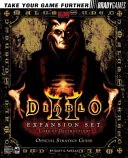
Diablo II
 82
82

Diablo II
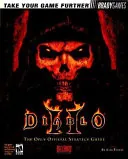
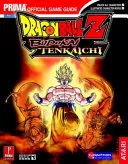
Bart Farkas's strategy guide for Diablo II, published by BradyGames in 2001, is a meticulously compiled compendium that offers an almost forensic examination of Blizzard's seminal action RPG. Its strength lies in its sheer comprehensiveness; the detailed breakdown of all character classes, including the new additions from Lord of Destruction like the Druid, and their respective skill trees is invaluable for players seeking to optimize their builds. The exhaustive item listings and bestiary entries provide a granular understanding of the game's ecosystem. However, its limitation is the inherent nature of a physical guide for a constantly evolving digital landscape; by its very definition, it freezes the game's state at a specific point in time. The section detailing the elemental resistances of monsters in Act III, for instance, is a testament to the depth of information provided, but such details can become outdated with patches or player discoveries. Ultimately, this guide stands as a definitive, if static, manual for an era of gaming.
📝 Description
82
Published in 2001, this BradyGames guide details Diablo II's mechanics and world.
This official strategy guide from BradyGames, released in 2001, covers Blizzard Entertainment's Diablo II and its Lord of Destruction expansion. It functions as a thorough manual for players aiming to master the game's systems and expansive setting. The book outlines all playable character classes, detailing their skill trees, advantages, and disadvantages to help players make informed character development choices. It also includes extensive lists of equipment, weapons, armor, and spells. A complete catalog of the monsters found within Sanctuary is also present.
The guide is primarily intended for Diablo II players who engage with the game at a more detailed level. It is suited for those who appreciate in-depth statistical examination of character builds, strategies for item acquisition, and monster vulnerabilities. Collectors of gaming history, particularly from the early 2000s PC gaming scene, will find this a significant item. Additionally, game designers or analysts looking into early 2000s game design might find its methodical breakdown of game mechanics useful. It appeals to individuals seeking to optimize their gameplay and gain comprehensive knowledge of the game's universe.
While ostensibly a strategy guide for a video game, this book falls into an esoteric tradition by codifying a complex digital system. It provides a structured, almost alchemical, approach to understanding the game's hidden rules and numerical relationships. Like ancient grimoires that mapped celestial bodies or arcane energies, this guide maps the internal logic of Sanctuary, detailing the properties of items and the attributes of entities within it. Its focus on optimization and mastery through knowledge mirrors esoteric pursuits that seek to unlock power or understanding through the systematic study of hidden forces.
💡 Why Read This Book?
• Gain an unparalleled understanding of character build synergies, specifically how the Sorceress's 'Teleport' skill interacts with various gear bonuses as detailed in the class skill sections, allowing for optimized gameplay. • Master the intricacies of itemization by referencing the comprehensive lists of unique items and set bonuses, such as the 'Tal Rasha's Wrappings' set, enabling strategic loot hunting. • Develop effective combat strategies through detailed analysis of monster attributes and resistances, like the unique immunities of the 'Baal's Minions' found in the Lord of Destruction expansion bestiary.
⭐ Reader Reviews
Honest opinions from readers who have explored this book.
❓ Frequently Asked Questions
When was the Diablo II strategy guide by Bart Farkas first published?
The BradyGames Official Strategy Guide for Diablo II, authored by Bart Farkas, was first published in 2001, coinciding with the release of the Lord of Destruction expansion.
What new character classes does the guide cover from Lord of Destruction?
The guide provides complete coverage for the two new character classes introduced in the Lord of Destruction expansion: the Assassin and the Druid.
Does the guide list all items, weapons, and spells in Diablo II?
Yes, the guide features extensive listings for all items, weapons, and spells available for all playable characters within Diablo II and its Lord of Destruction expansion.
Is the bestiary section of the guide detailed?
Indeed, the guide includes a complete bestiary, detailing the strengths, weaknesses, and unique attributes of monsters encountered throughout the game's many acts.
What kind of statistical information is included for character classes?
The guide offers updated game statistics for all character classes, covering their skills, strengths, and weaknesses, for both the original Diablo II and the Lord of Destruction expansion.
Who is the author of the Diablo II BradyGames strategy guide?
The author of the BradyGames Official Strategy Guide for Diablo II is Bart Farkas.
🔮 Key Themes & Symbolism
Character Build Optimization
The guide meticulously dissects each character class—Barbarian, Sorceress, Necromancer, Paladin, Amazon, Assassin, and Druid—detailing their unique skill trees and attribute growth. It emphasizes the synergistic potential between active skills, passive bonuses, and stat allocation, illustrating how specific combinations can lead to specialized roles like 'summoner' Necromancers or 'enchantress' Paladins. This focus on build crafting is central to Diablo II's enduring appeal, transforming players from mere adventurers into architects of their own power, meticulously planning every point spent to achieve peak efficacy against the game's escalating challenges.
Itemization and Loot Economy
A significant portion of the guide is dedicated to the game's intricate loot system. It categorizes weapons, armor, and magical items, detailing their base stats, required levels, and special properties. The guide differentiates between Normal, Magic, Rare, Set, and Unique items, explaining the significance of each tier. Understanding the probabilities and potential affixes associated with each item type is crucial for players aiming to acquire legendary gear like 'Shako' or complete powerful item sets. This systematic cataloging underscores the 'looter' aspect of Diablo II, where the pursuit of superior equipment is as vital as combat prowess.
Bestiary and Monster Mechanics
The guide presents a comprehensive bestiary, offering players vital intelligence on the demonic and monstrous inhabitants of Sanctuary. For each creature, it outlines critical resistances, immunities, and unique attack patterns. For example, understanding that certain undead monsters are resistant to cold damage or that specific bosses possess unique immunities is paramount for survival and victory. This deep dive into enemy characteristics encourages a more strategic approach to combat, moving beyond simple button-mashing to tactical engagement based on thorough knowledge of the opposition.
Expansion Integration
Published to coincide with the Lord of Destruction expansion, the guide seamlessly integrates its content with the original Diablo II. It provides updated statistics and strategies for the two new character classes, the Assassin and the Druid, alongside new areas, monsters, and items introduced in the expansion. This holistic approach ensures that players receive a complete overview of the augmented game world, acknowledging how the expansion significantly enriched the core experience with new mechanics and lore, making it an indispensable resource for those engaging with the full Diablo II experience.
💬 Memorable Quotes
Direct passages from the work, attributed to the author.
“Complete coverage of ALL character classes - including the two new characters.”
— This statement highlights the guide's commitment to inclusivity, ensuring players have access to detailed information for every available playstyle, particularly emphasizing the expanded options brought by the Lord of Destruction expansion.
“A complete bestiary, items list, weapons, armor and spells listing.”
— This underscores the guide's encyclopedic nature, promising a thorough catalog of every tangible element a player might encounter or utilize within the game world, from offensive spells to defensive equipment.
“Updated game stats on all character classes--from the original game as well as the new ones!”
— This emphasizes the guide's relevance to both the base game and its major expansion, assuring readers that the information provided is current and accounts for the significant additions and changes introduced.
“Their skills, strengths and weaknesses.”
— This succinctly describes the analytical depth applied to each character, suggesting the guide goes beyond mere description to offer strategic evaluations essential for player decision-making and optimization.
“BradyGames Diablo II: Lord of Destruction Official Strategy Guide”
— This is the formal title, indicating the guide's official status and its specific focus on the expanded version of the game, positioning it as the definitive printed resource for players.
🌙 Esoteric Significance
Tradition
While Diablo II is primarily a secular action RPG, its themes of good versus evil, demonic corruption, and the struggle for salvation align with Gnostic and Manichaean dualistic traditions. The game's narrative often pits a lone hero against overwhelming infernal forces, echoing Gnostic ideas of a flawed creation and the need for spiritual awakening to overcome material and spiritual bondage. The descent into hellish realms and the confrontation with primordial evil can be interpreted as allegories for the soul's journey through lower spiritual planes.
Symbolism
The game is rich with symbolic imagery. The Worldstone, a central artifact, represents a cosmic anchor or the primal source of life, its corruption leading to the world's decay. Angels and demons represent cosmic forces of order and chaos, respectively. The various classes themselves embody archetypes: the Paladin as divine warrior, the Necromancer as a master of life and death forces, and the Sorceress as a wielder of elemental energies, all reflecting ancient symbolic understandings of power and influence within the cosmos.
Modern Relevance
Contemporary discussions in game studies and digital humanities often reference Diablo II's persistent appeal and complex systems. Its influence can be seen in modern loot-based RPGs and ARPGs that emulate its core mechanics. The game's exploration of player agency within a dark, often deterministic narrative also speaks to contemporary philosophical discussions about free will and fate in digital environments. Scholars analyzing game design and narrative structures frequently cite Diablo II as a foundational text in the genre.
👥 Who Should Read This Book
• Players seeking to master the intricate mechanics of Diablo II and its expansion, aiming to optimize character builds and understand deep itemization strategies. • Collectors of early 2000s PC gaming memorabilia who appreciate official, physical strategy guides as artifacts of gaming history. • Game designers and analysts interested in studying the structured presentation of complex game systems from a central era in RPG development.
📜 Historical Context
The release of the BradyGames Diablo II: Lord of Destruction Official Strategy Guide in 2001 occurred during a golden age for PC gaming, following the monumental success of Diablo II itself in June 2000. The early 2000s were characterized by the widespread popularity of action RPGs, with Diablo II standing as a titan in the genre. Strategy guides from publishers like BradyGames were indispensable, serving as the primary source of detailed game information before the ubiquity of online wikis and fan communities. This era saw a demand for comprehensive, physical resources that players could consult directly. While Blizzard Entertainment fostered a vibrant online community, the printed guide offered a curated, authoritative perspective. Contemporaries like Prima Games also produced strategy guides, creating a market for official game companions. The guide's publication reflects a time when detailed game mechanics, character builds, and itemization were subjects of intense player interest, often debated and analyzed in the nascent online forums but consolidated authoritatively in these printed volumes.
📔 Journal Prompts
The Worldstone's corruption and its effect on Sanctuary.
Analyze the synergistic potential of the Assassin's trap skills.
Reflect on the dualistic struggle between the Prime Evils and the forces of Light.
Consider the strategic implications of monster immunities in Act V.
Evaluate the role of loot acquisition in character progression.
🗂️ Glossary
Lord of Destruction
The official expansion pack for Diablo II, released in 2001, which added two new character classes (Assassin and Druid), new acts, items, and significant gameplay enhancements.
Bestiary
A catalog or collection of descriptions of beasts or monsters, in this context referring to the detailed entries on enemies within Diablo II, including their attributes and resistances.
Character Class
A distinct role or archetype within the game that determines a player's starting stats, available skills, and general playstyle, such as the Barbarian or Sorceress.
Skill Tree
A branching system of abilities that a character can learn and upgrade as they gain experience, allowing for specialized character development.
Itemization
The process and strategy of acquiring, equipping, and managing items (weapons, armor, accessories) to enhance a character's capabilities and optimize their build.
Sanctuary
The primary world or setting in which the Diablo series takes place, a realm caught between the High Heavens and the Burning Hells.
Prime Evils
The chief demonic antagonists in the Diablo universe, including Diablo, Baal, and Mephisto, who represent the ultimate forces of chaos and destruction.
This book appears in 1 collection
🔮 Readers Also Liked
Browse all →







From the “Telekinesis” Collection
View all →



More Free Occult Philosophy Books
View all →