What is Telekinesis?
Telekinesis, also known as psychokinesis (PK), is the purported ability to influence physical objects or systems using only the power of the mind, without physical interaction. This phenomenon has been a subject of interest in parapsychology, folklore, and speculative fiction for centuries. While mainstream science views telekinesis with skepticism, various texts explore its theoretical underpinnings, alleged manifestations, and potential applications, often drawing from anecdotal evidence, experimental research, and philosophical inquiry.
Best Books for Complete Beginners
For those new to telekinesis, 'Telekinesis for Beginners' by Harry Eilenstein offers a direct entry point into the subject. 'The Quintessential Wizard' by Michael Mearls and Mike Mearls, while fictional, can introduce concepts of mental power in engaging narratives. 'Psi-Ops' by Bart Farkas provides a game-adjacent exploration of psychic abilities. 'The Familiars 4-Book Collection' by Adam Jay Epstein and 'The Night Circus' by Erin Morgenstern, though fictional, offer imaginative portrayals of extraordinary abilities that can spark interest in the possibilities.
Intermediate Reading
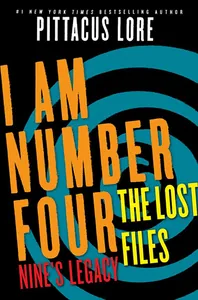
Moving beyond introductory concepts, 'Insights for the Age of Aquarius' by Gina Cerminara touches upon broader esoteric themes that often encompass psychic phenomena. 'The Angels and Us' by Mortimer Jerome Adler explores spiritual intermediaries, which can be relevant to discussions of non-physical influence. 'I Am Number Four: The Lost Files: Nine's Legacy' by Pittacus Lore and 'Ghost, Interrupted' by Sonia Singh, while fictional, examine characters with extraordinary powers and their societal impact, offering narrative depth. 'Rifter Number Two' by Kevin Siembieda and Kent Burles may contain elements relevant to speculative abilities.
Classical / Advanced Texts
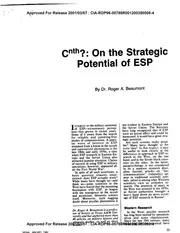
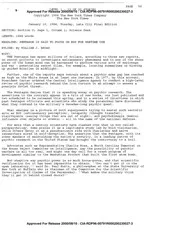
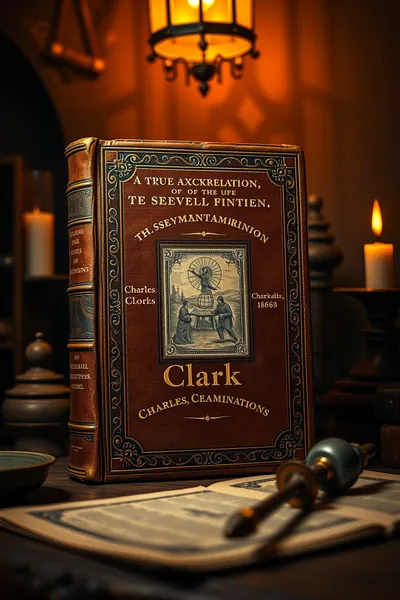
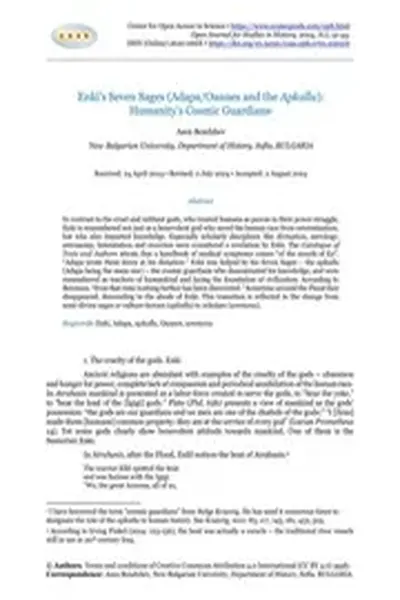
For serious students, 'CIA Reading Room cia-rdp96-00788r001200350008-4: CNTH?: ON THE STRATEGIC POTENTIAL OF ESP' (1982) offers a glimpse into government research on extrasensory perception. Similarly, 'CIA Reading Room cia-rdp96-00791r000200230027-3: NEW YORK TIMES ARTICLE, FROM DATA BASE SEARCH. 'PENTAGON IS SAID TO FOCUS ON ESP FOR WARTIME USE'' (1984) highlights military interest. 'A true and exact relation, of the severall informations, examinations, and confessions of the late witches, arraigned and executed in the county of Essex ...' by Charles Clark (1837) provides historical accounts of alleged supernatural events. 'Enki’s Seven Sages (Adapa/Oannes and the Apkallu): Humanity’s Cosmic Guardians' by Asen Bondzhev (2024) explores ancient mythologies potentially linked to extraordinary human capabilities.
Reading Order — Step by Step
Begin with foundational texts like 'Telekinesis for Beginners' by Harry Eilenstein. In Month 1, supplement this with fictional explorations that engage the imagination, such as 'The Night Circus' or 'I Am Number Four: The Lost Files: Nine's Legacy'. Month 2 should focus on broader esoteric themes with 'Insights for the Age of Aquarius' by Gina Cerminara. By Month 3, examine the more speculative and historical documents, including 'CIA Reading Room cia-rdp96-00788r001200350008-4' and 'A true and exact relation...' by Charles Clark. Continue with advanced readings as interest dictates, exploring the strategic potential discussed in the CIA documents.
Frequently Asked Questions
Which telekinesis book should I read first?
For a direct introduction, begin with 'Telekinesis for Beginners' by Harry Eilenstein. It lays the groundwork for understanding the basic concepts and approaches to the subject.
Are there any scientific books on telekinesis?
While definitive scientific proof is lacking, texts like those from the 'CIA Reading Room' (e.g., cia-rdp96-00788r001200350008-4) document research into the strategic potential of ESP, offering a perspective on scientific and governmental interest.
Can fiction books help in understanding telekinesis?
Yes, fictional works like 'The Night Circus' by Erin Morgenstern or 'I Am Number Four: The Lost Files: Nine's Legacy' by Pittacus Lore can engage the reader's imagination and introduce concepts of extraordinary abilities in narrative form.
What is the difference between telekinesis and psychokinesis?
Telekinesis and psychokinesis (PK) are generally used interchangeably to describe the ability to influence physical objects with the mind. PK is often the preferred term in parapsychological research.
Where can I find historical accounts of telekinesis?
Historical perspectives can be found in texts such as 'A true and exact relation, of the severall informations, examinations, and confessions of the late witches, arraigned and executed in the county of Essex ...' by Charles Clark, which documents past beliefs and trials.
Is telekinesis considered a real phenomenon?
Mainstream science currently lacks verifiable evidence for telekinesis. However, it remains a subject of interest in parapsychology and is explored in various theoretical and anecdotal texts.
What are the ethical considerations of telekinesis?
Texts discussing the 'strategic potential of ESP' or government interest in such abilities, like those from the CIA Reading Room, touch upon the ethical implications of developing and potentially weaponizing such powers.
How does telekinesis relate to other psychic abilities?
Telekinesis is often grouped under the umbrella of Extrasensory Perception (ESP), alongside telepathy, clairvoyance, and precognition, representing a range of purported non-physical interactions with reality.