Dragon Ball Z
 78
78

Dragon Ball Z
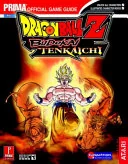
The "Dragon Ball Z: Budokai Tenkaichi" guide from 2005 offers a granular look at a specific video game, a departure from the broader philosophical texts often found here. Its strength lies in its encyclopedic detail regarding character bios and illustrated moves for every fighter in the Budokai Tenkaichi series. For a player in the mid-2000s, this would have been an invaluable tool. However, its limitation is its extreme specificity; outside the context of this particular game, its utility is nil. The section detailing tactics for winning "Z Gate Battles" exemplifies this: it's a meticulously crafted strategy for a digital conflict, devoid of wider metaphorical application. While informative for its intended audience, it offers little for the general reader of esoteric or mystical literature. It serves its purpose as a game manual, but not as a work of broader significance.
📝 Description
78
Published in 2005, this guide analyzes the Dragon Ball Z: Budokai Tenkaichi fighting game.
This book is a detailed manual for the Dragon Ball Z: Budokai Tenkaichi fighting game, released in 2005. It offers players thorough breakdowns of each character's abilities and combat strategies. The guide aims to help players master the game's mechanics and progression, particularly for overcoming challenges in the Z Gate Battles. Its advice is focused on achieving success within the game itself.
This resource is intended for dedicated fans of the Budokai Tenkaichi series, especially those who played the game around its initial release. It appeals to players who appreciate deep dives into game systems and character matchups. Those aiming for high skill levels, complete game unlocks, and optimized fighter customization will find it useful. The book also speaks to an interest in how fighting game strategy guides developed over time.
In 2005, the Dragon Ball Z franchise was popular globally. The Budokai Tenkaichi games, with their large rosters and 3D fighting, were notable entries. This book appeared when printed strategy guides were important for dedicated players, often before widespread online resources. It reflects the gaming culture of the mid-2000s, a time when such detailed printed guides were crucial for competitive play and completionists.
While categorized as 'esoteric,' this book's context is rooted in the mid-2000s video game culture. Its 'esotericism' lies in its deep dive into the mechanics of a specific fighting game, Budokai Tenkaichi, catering to a dedicated player base seeking mastery. The detailed analysis of character movesets, combat systems, and in-game challenges functions as a specialized knowledge system for a particular community, akin to how esoteric traditions offer specialized knowledge within their own domains. Its value stemmed from its ability to provide a comprehensive understanding of a complex system before the prevalence of online tutorials.
💡 Why Read This Book?
• Learn specific tactics for aerial and ground combat from the "Budokai Tenkaichi" game, enhancing your strategic thinking applicable to complex systems. • Discover methods for customizing fighters, offering insights into resource management and character development akin to personal growth exercises. • Understand the mechanics of "Z Gate Battles," providing a case study in overcoming multi-stage challenges through detailed preparation and execution.
⭐ Reader Reviews
Honest opinions from readers who have explored this book.
❓ Frequently Asked Questions
What specific version of Dragon Ball Z does this guide focus on?
This guide specifically covers the "Dragon Ball Z: Budokai Tenkaichi" video game, released in 2005. It details characters, moves, and strategies pertinent to this particular installment in the franchise.
Does the book provide character backstories or just gameplay information?
The book primarily focuses on gameplay, offering illustrated moves, strategy, and bios for each character within the context of the "Budokai Tenkaichi" game. It does not delve into extended narrative backstories beyond what's relevant to gameplay.
How does the book help in unlocking all characters?
It offers tips and strategies aimed at helping players achieve the necessary in-game objectives, such as winning "Z Gate Battles" and meeting specific criteria, to unlock the full roster of characters available in "Dragon Ball Z: Budokai Tenkaichi."
Is this guide useful for understanding the Dragon Ball Z anime or manga?
No, this guide is strictly focused on the "Dragon Ball Z: Budokai Tenkaichi" video game. While it references the Dragon Ball Z universe, its content is dedicated to game mechanics and strategies, not the broader narrative of the anime or manga.
What kind of strategies does the book offer for winning fights?
It provides tactical advice for various combat scenarios, including fighting in the air, on the ground, and underwater. It also offers strategies for specific game modes like "Z Gate Battles" and advice on customizing fighters.
When was the "Dragon Ball Z: Budokai Tenkaichi" game first released?
The "Dragon Ball Z: Budokai Tenkaichi" game, which this guide covers, was first released in 2005. The guide itself was also published in 2005.
🔮 Key Themes & Symbolism
Strategic Combat Mastery
This guide dissects the combat system of "Dragon Ball Z: Budokai Tenkaichi," a 2005 fighting game. It meticulously breaks down character-specific abilities, illustrated moves, and tactical approaches for aerial, ground, and even underwater engagements. The esoteric angle here lies in viewing the game's mechanics as a structured system, akin to martial arts katas or ritualistic sequences, where precise execution of learned patterns leads to mastery and victory. Understanding these intricate systems can offer parallels to disciplined practice in any field.
Character Customization and Potential
A significant aspect of the book involves advice on customizing fighters to create the 'ultimate' combatant. This theme explores the concept of unlocking and refining potential, a notion resonant in many esoteric traditions that focus on self-improvement and the realization of one's inherent capabilities. By detailing how to enhance specific attributes and abilities within the game's framework, the guide implicitly touches upon the idea of shaping one's own destiny or power, mirroring doctrines of personal agency and spiritual development.
Progression and Goal Achievement
The "Dragon Ball Z: Budokai Tenkaichi" guide emphasizes the path to conquering "Z Gate Battles" and unlocking all characters. This focus on structured progression and the achievement of defined goals aligns with esoteric paths that require dedication, overcoming trials, and reaching specific stages of attainment. The book's methodical approach to game completion can be seen as a microcosm of larger quests for knowledge or enlightenment, where persistent effort and strategic application of learned principles are paramount.
Thematic Resonance in Digital Worlds
While ostensibly a game guide, the book's subject matter—epic battles, transformations, and powerful characters—reflects archetypal narratives found in mythology and esoteric lore. The "Dragon Ball Z" universe itself, with its Saiyans and cosmic conflicts, taps into primal themes of power, destiny, and the struggle between good and evil. This guide, by detailing the mechanics of these digital representations, allows players to engage with these archetypes on an interactive level, exploring themes of heroism and overcoming adversity through a modern medium.
💬 Memorable Quotes
Direct passages from the work, attributed to the author.
“Illustrated moves, strategy, and bios for every character”
— This concise phrase expresses the book's commitment to comprehensive data, presenting a detailed codex for each playable entity within the game's universe. It suggests a systematic cataloging of abilities and attributes, essential for strategic engagement.
“Tactics for winning, whether your fighting in the air, on the ground, or underwater”
— This highlights the game's varied combat environments and the guide's intention to provide adaptable strategies. It implies a deep understanding of the game's physics and mechanics across different planes of action.
“Strategy to conquer all 100+ Z Gate Battles”
— This speaks to the book's focus on overcoming significant in-game challenges. The mention of '100+' suggests a substantial undertaking, requiring a methodical and well-prepared approach, mirroring quests in other contexts.
“Tips for customizing the ultimate fighter”
— This points to the game's potential for player-driven character development. It frames the player as an architect of power, refining and enhancing their chosen avatar for peak performance.
“Unlock all characters”
— This phrase represents a core objective for completionists. It signifies the pursuit of totality within the game's offered content, encouraging exploration and mastery of all available options.
🌙 Esoteric Significance
Tradition
While "Dragon Ball Z: Budokai Tenkaichi" is a guide for a video game, its themes of power, transformation, and overcoming immense challenges can be loosely aligned with archetypal narratives found in various spiritual traditions, including aspects of heroic quests present in Gnosticism or the disciplined self-mastery sought in martial philosophies. It doesn't adhere to a specific lineage but provides a modern, interactive medium for engaging with themes of power evolution and overcoming adversity.
Symbolism
The "Z" in "Dragon Ball Z" itself, representing the final generation of Saiyans, can be interpreted as a symbol of culmination or ultimate potential. Characters often undergo transformations, symbolizing metamorphosis and the unlocking of hidden spiritual or energetic capacities. The "Z Gate Battles" can be seen as trials or initiations, where mastery over oneself and one's abilities is tested before advancing to higher states or levels of understanding within the game's context.
Modern Relevance
Contemporary discussions around esports, game theory, and the psychology of achievement often reference the dedication and strategic thinking required to master complex digital systems like those found in "Budokai Tenkaichi." While not directly cited by modern esoteric thinkers, the principles of practice, skill acquisition, and the pursuit of mastery exemplified in such guides resonate with modern self-help and performance psychology movements.
👥 Who Should Read This Book
• Dedicated players of the "Dragon Ball Z: Budokai Tenkaichi" game (released 2005) seeking to achieve full mastery and unlock all content. • Aspiring fighting game strategists interested in analyzing detailed character matchups and combat mechanics from a specific era of gaming. • Researchers of popular culture and media, examining the evolution of video game guides and fan engagement with fictional universes.
📜 Historical Context
Published in 2005, Eric Mylonas's "Dragon Ball Z: Budokai Tenkaichi" guide arrived during a vibrant era for the franchise and video game strategy publications. The early to mid-2000s saw the "Dragon Ball Z" anime and manga reach peak global popularity, fueling demand for related media. The "Budokai Tenkaichi" series itself, launched in 2004, was lauded for its expansive roster and 3D arena combat, distinguishing itself from earlier 2D fighting games. This guide emerged before the ubiquity of online walkthroughs and video tutorials, making printed resources indispensable for dedicated players. It catered to a burgeoning community of gamers seeking to master complex systems. Contemporaries like BradyGames and Prima Games also produced similar detailed guides for major titles, reflecting a robust market for such specialized content. While not facing overt censorship, its niche focus meant it was primarily received by the gaming community rather than broader academic or literary circles.
📔 Journal Prompts
The concept of customizing the ultimate fighter.
Strategies for conquering "Z Gate Battles" in "Dragon Ball Z: Budokai Tenkaichi."
The meaning of "unlock all characters" as a game objective.
Aerial vs. ground combat tactics within the "Budokai Tenkaichi" framework.
Character bios and their role in strategic play.
🗂️ Glossary
Budokai Tenkaichi
A specific installment in the Dragon Ball Z video game series, known for its 3D arena fighting gameplay and large character roster, first released in 2005.
Z Gate Battles
A series of challenging in-game battles within "Dragon Ball Z: Budokai Tenkaichi," often requiring specific strategies and character progression to overcome.
Character Bios
In-game profiles detailing a character's abilities, strengths, weaknesses, and background relevant to gameplay within "Dragon Ball Z: Budokai Tenkaichi."
Customizing Fighters
The process within the game of modifying a character's attributes, skills, or equipment to enhance their performance and suit specific playstyles.
Illustrated Moves
Visual representations and descriptions of the special attacks and techniques available to each character in the "Dragon Ball Z: Budokai Tenkaichi" game.
Spin-offs
Related media or game titles derived from the core "Dragon Ball Z" franchise, distinct from the main anime or manga series.
Ultimate Fighter
A player-created term referring to a character that has been maximally enhanced and strategically optimized within the "Dragon Ball Z: Budokai Tenkaichi" game.
This book appears in 1 collection
🔮 Readers Also Liked
Browse all →









From the “Telekinesis” Collection
View all →






More Free Occult Philosophy Books
View all →