Licht auf Yoga
 72
72

Licht auf Yoga
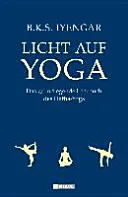
B.K.S. Iyengar's "Licht auf Yoga" (Light on Yoga) is less a book and more a comprehensive yoga bible. Its strength lies in its sheer detail, presenting a staggering number of asanas with an almost surgical precision regarding alignment. The photographic plates, though dated, are exceptionally clear in demonstrating the postures. However, this very detail can become a limitation for newcomers. The dense explanations and the sheer volume of information require significant dedication to absorb. A particularly striking section is the detailed breakdown of the Surya Namaskar (Sun Salutation), illustrating how even familiar sequences can be approached with new awareness. It’s an authoritative, albeit demanding, guide to the physical practice of yoga.
📝 Description
72
B.K.S. Iyengar's Light on Yoga, published in 1966, details over 600 asanas and 200 pranayama techniques.
Licht auf Yoga is the German edition of B.K.S. Iyengar's extensive guide to Ashtanga Yoga. First appearing in 1966, the work meticulously details more than 600 postures and 200 breathing exercises. Each pose's physical alignment, benefits, and potential contraindications are clearly explained and accompanied by photographic illustrations.
This book is a reference for practitioners serious about yoga. It suits students and instructors who want a thorough grasp of Iyengar's structured method, particularly those who focus on correct alignment and a comprehensive understanding of poses and breathwork. While beginners might find its scope considerable, intermediate and advanced practitioners will find it a detailed resource for refining their practice. It is also suitable for individuals interested in yoga's therapeutic uses.
Published in 1966, Light on Yoga arrived as Western interest in Eastern practices grew. Iyengar's precise, anatomical method contrasted with yoga texts that leaned more heavily on philosophy or spirituality. It became a central text for Hatha Yoga's global expansion, influencing many teachers and students. Its physical and scientific approach offered a grounding in tangible practice, distinct from more mystical interpretations of yoga.
💡 Why Read This Book?
• Gain an unparalleled understanding of precise asana alignment, crucial for safe and effective practice, as detailed in the extensive catalog of postures presented in "Licht auf Yoga". • Learn over 200 distinct pranayama techniques, offering a deep dive into breath control beyond basic breathing exercises, as systematically outlined in its chapters. • Explore the foundational principles of Ashtanga Yoga, understanding its eight limbs and how physical practice prepares the mind, as codified by Iyengar in this influential 1966 publication.
⭐ Reader Reviews
Honest opinions from readers who have explored this book.
❓ Frequently Asked Questions
What is the primary focus of "Licht auf Yoga"?
The primary focus of "Licht auf Yoga" is the detailed instruction and illustration of over 600 yoga postures (asanas) and 200 breathing techniques (pranayama), emphasizing precise alignment and anatomical understanding.
Is "Licht auf Yoga" suitable for absolute beginners?
While it contains foundational information, its encyclopedic nature and emphasis on precision can be overwhelming for absolute beginners. It is best suited for those with some prior yoga experience or a strong desire for in-depth study.
Who was B.K.S. Iyengar?
B.K.S. Iyengar (1918-2014) was an Indian yoga teacher and philosopher who developed the style of yoga known as Iyengar Yoga, characterized by its focus on precise alignment and the use of props.
When was the original "Light on Yoga" first published?
The original "Light on Yoga" by B.K.S. Iyengar was first published in 1966, becoming a foundational text for Hatha Yoga worldwide.
Does "Licht auf Yoga" cover the philosophical aspects of yoga?
While it touches upon the eight limbs of Ashtanga Yoga as described by Patanjali, its primary emphasis is on the physical practice (asana) and breath control (pranayama), rather than extensive philosophical discourse.
What makes Iyengar's approach to yoga unique?
Iyengar's approach is distinguished by its meticulous attention to anatomical detail, precise alignment in postures, and the systematic progression of practice, often incorporating props to achieve correct form.
🔮 Key Themes & Symbolism
Precision in Asana
The work meticulously details over 600 yoga postures, stressing exact anatomical alignment. Iyengar provides photographic evidence and textual explanations for each asana, highlighting its benefits and contraindications. This focus on precision distinguishes the Iyengar method, aiming to unlock the therapeutic potential of each pose and ensure a safe, stable physical foundation for practice, moving beyond mere flexibility to cultivate strength and correct form.
Mastery of Pranayama
Beyond physical postures, "Licht auf Yoga" dedicates significant attention to pranayama, or yogic breathing techniques. It introduces more than 200 distinct methods for controlling the breath, emphasizing its role in cultivating prana (life force). Iyengar explains how regulated breathing can purify the nervous system, enhance concentration, and prepare the practitioner for deeper meditative states, presenting it as an equally vital component of the yogic path.
The Eight Limbs of Ashtanga
While the book's practical focus is on asana and pranayama, it frames these practices within the broader context of Patanjali's eight limbs of Ashtanga Yoga. Iyengar interprets these limbs—Yama, Niyama, Asana, Pranayama, Pratyahara, Dharana, Dhyana, and Samadhi—as a progressive path. The physical and breath disciplines serve as crucial groundwork, enabling the practitioner to eventually achieve the subtler stages of inward withdrawal and concentration.
Therapeutic Applications
A recurring theme is the potential for yoga to address physical ailments. Iyengar details how specific postures and breathing techniques can alleviate various conditions, from back pain to digestive issues. The emphasis on correct alignment is presented not just for spiritual development but as a means to correct postural imbalances and promote overall physical well-being, making the practice accessible and beneficial for a wide range of individuals.
💬 Memorable Quotes
Direct passages from the work, attributed to the author.
“Perfection in an asana is steady, comfortable, and effortless.”
— This concise statement expresses Iyengar's core philosophy on posture. It emphasizes that true mastery isn't about achieving an extreme or visually impressive shape, but finding a sustainable, balanced state of ease and stability within the pose.
“The body is the temple of the spirit.”
— This common phrase, strongly associated with Iyengar's teachings, highlights his view of the physical body not as an obstacle, but as a sacred vessel. A disciplined and healthy body is seen as essential for spiritual exploration and realization.
“The spine is the central pillar of the body.”
— Reflecting his emphasis on alignment, this interpretation highlights the critical importance of the spine in Iyengar's system. Maintaining the health and integrity of the spine through correct posture is fundamental to overall physical and energetic well-being.
“Breath is the bridge between the body and the mind.”
— This interpretation points to the central role of pranayama. By consciously controlling the breath, practitioners can influence their mental state, fostering a connection and integration between the physical and mental realms.
💡 Key Ideas
Editorial paraphrase of the work's core concepts — not direct quotes.
Asana is the means to attain the state of meditation.
This quote underscores the functional purpose of physical yoga within the broader yogic system. It positions asana practice as a preparatory stage, designed to cultivate the stillness and focus required for deeper meditative absorption.
🌙 Esoteric Significance
Tradition
While rooted in the classical Hatha Yoga lineage descending from figures like Matsyendranath and Gorakhnath, Iyengar's approach in "Licht auf Yoga" adapts and codifies these practices for a modern, often secular, audience. It bridges the gap between ancient yogic texts, particularly Patanjali's Yoga Sutras, and contemporary physiological understanding. It functions within the broader umbrella of esoteric practices aimed at mind-body integration and spiritual evolution, but with a distinct emphasis on empirical observation and precise physical execution, rather than solely on mystical or devotional elements.
Symbolism
The book implicitly uses the human body itself as a primary symbol. Each asana is a symbolic representation of stability, strength, and balance. The spine, frequently referenced, symbolizes the central axis (Sushumna Nadi) of energy flow. Pranayama, the control of breath, symbolizes the mastery over life force (Prana), which is seen as the animating principle connecting the physical and subtle bodies, crucial for awakening higher consciousness.
Modern Relevance
Iyengar's rigorous methodology continues to influence contemporary yoga. Teachers trained in his method, and even those who aren't, often draw upon "Licht auf Yoga" for its outstanding detail on alignment and sequencing. Modern therapeutic yoga, anatomical studies of movement, and the global proliferation of Hatha Yoga studios owe a significant debt to the clarity and systematic approach laid out in this key work, making it a reference for understanding postural yoga today.
👥 Who Should Read This Book
• Dedicated yoga practitioners seeking to deepen their understanding of asana and pranayama, looking for precise alignment cues and detailed instructions beyond introductory levels. • Yoga instructors aiming to build a comprehensive reference library, providing them with authoritative guidance on posture execution and potential therapeutic applications. • Students of comparative spiritual practices interested in the physical discipline component of yogic traditions and its historical development in the 20th century.
📜 Historical Context
The 1966 publication of "Light on Yoga" by B.K.S. Iyengar arrived at an important moment for yoga's global dissemination. The mid-20th century saw increasing Western fascination with Eastern philosophies and practices, yet much of the yoga available was either highly spiritualized or lacked clear instructional rigor. Iyengar's work, rooted in the tradition of Tirumalai Krishnamacharya, offered a stark contrast. It presented Hatha Yoga not merely as a spiritual path but as a precise, anatomical science. Unlike contemporaries who might have focused more on Kriya Yoga or Vedanta, Iyengar's meticulously illustrated guide to over 600 asanas and 200 pranayamas provided an unprecedented level of detail. This systematic approach, emphasizing correct alignment and the therapeutic potential of postures, resonated powerfully with a growing audience seeking tangible results and a disciplined practice. Its reception was overwhelmingly positive, quickly establishing it as the authoritative text for aspiring yoga practitioners worldwide and shaping the trajectory of modern postural yoga.
📔 Journal Prompts
The concept of Sthira Sukham Asanam in relation to your personal practice.
Reflecting on the detailed instructions for Trikonasana, what subtle shifts in alignment become apparent?
How does the emphasis on correct pranayama technique in 'Licht auf Yoga' challenge your current understanding of breathwork?
Consider the role of the spine as the 'central pillar' in your daily physical experience.
Exploring the sequence of Surya Namaskar as presented, identify one new awareness gained.
🗂️ Glossary
Asana
A physical posture or pose in yoga, emphasizing stability and ease. Iyengar's work details over 600 distinct asanas.
Pranayama
The practice of breath control and regulation in yoga. "Licht auf Yoga" explores more than 200 types of pranayama techniques.
Sthira Sukham Asanam
A key concept from Patanjali's Yoga Sutras, interpreted by Iyengar to mean that a posture should be steady, comfortable, and effortless.
Prana
The vital life force or energy that permeates all living beings, often associated with breath. Pranayama aims to control and cultivate prana.
Surya Namaskar
Sun Salutation, a sequence of postures typically performed as a warm-up. The book provides detailed instruction on its execution.
Yama
Ethical restraints or moral disciplines, the first limb of Ashtanga Yoga as described by Patanjali. "Licht auf Yoga" discusses these foundational principles.
Niyama
Observances or positive duties, the second limb of Ashtanga Yoga. These are also discussed in the context of the complete yogic path.