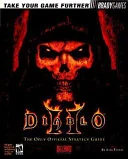
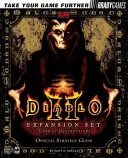
Diablo II Official Strategy Guide
 74
74

Diablo II Official Strategy Guide
Bart Farkas’s *Diablo II Official Strategy Guide* is a remarkably thorough artifact from a bygone era of gaming assistance. Its greatest strength lies in its sheer comprehensiveness; for a 2000 release, it leaves virtually no stone unturned regarding quest completion and character optimization. The detailed breakdowns of each class's skill tree, particularly the meticulous charting of prerequisites and synergies, remain impressive. However, its limitation is inherent to its format: it cannot account for the dynamic shifts in player meta or the vast amount of community-discovered secrets that emerged post-publication. A specific passage detailing the optimal amulet choices for a mid-game Sorceress, while accurate for its time, now feels quaint given the sheer breadth of unique items discovered later. Ultimately, this guide is an invaluable historical document and a solid primer for the game's original design.
📝 Description
74
Published in 2000, Bart Farkas's Diablo II Official Strategy Guide details the game's mechanics and lore.
This guide, released in 2000, serves as a comprehensive manual for the action RPG Diablo II. It covers the game's five character classes: Amazon, Barbarian, Necromancer, Paladin, and Sorceress, and provides strategies for optimizing character builds and surviving the game's challenges. The book is intended for players of the 2000 PC game Diablo II who want to understand its complex systems, find hidden areas, and acquire the best equipment. It offers clear advice for both new players and experienced ones looking to improve their efficiency.
The guide systematically breaks down Diablo II's core elements. This includes detailed explanations of itemization, the skill trees for each class, monster resistances and weaknesses, and strategies for boss encounters. Players will find walkthroughs for all major quests, aiming to help them defeat the Prime Evils. The advice is practical, focusing on actionable steps to overcome in-game obstacles. The book reflects the detailed approach to game assistance common before the rise of online wikis.
While ostensibly a guide for a video game, this book touches on esoteric themes through its focus on ancient evils, the nature of good and evil, and the quest for power. The lore of Sanctuary, the game's setting, involves a constant struggle against demonic forces and the pursuit of forbidden knowledge. Players must understand the 'eldritch lore' and the mechanics of their chosen class to wield potent abilities and confront powerful entities. This mirrors certain traditions that examine the acquisition of power and the understanding of hidden forces to navigate perilous spiritual or existential landscapes.
💡 Why Read This Book?
• Gain unparalleled mastery over the five original character classes (Amazon, Barbarian, Necromancer, Paladin, Sorceress) as detailed in the 2000 release, ensuring optimized skill builds and combat effectiveness. • Comprehend every quest and encounter within Diablo II, utilizing specific walkthroughs that guarantee progression through Sanctuary's perilous regions. • Understand the itemization and stat allocation strategies presented, offering a concrete framework for character development that was considered definitive upon the game's 2000 launch.
⭐ Reader Reviews
Honest opinions from readers who have explored this book.
❓ Frequently Asked Questions
What is the primary focus of the Diablo II Official Strategy Guide?
The guide's primary focus is to provide comprehensive strategies and information for the 2000 PC game Diablo II, covering all five character classes, quest walkthroughs, and item acquisition.
Who authored the Diablo II Official Strategy Guide?
The guide was authored by Bart Farkas, offering expert insights into the game's mechanics and challenges.
When was the Diablo II Official Strategy Guide first published?
This strategy guide was first published in the year 2000, coinciding with the release of the highly anticipated game Diablo II.
Does the guide cover all character classes in Diablo II?
Yes, the guide provides detailed instructions and strategies for all five original character classes available in Diablo II.
What kind of information can I expect regarding quests?
You can expect detailed instructions for completing every quest within Diablo II, ensuring players can efficiently progress through the game's narrative.
Is this guide relevant for modern Diablo II players?
While the core information remains valuable, it reflects strategies from the 2000 release and may not cover content or meta shifts from later expansions or community-driven updates.
🔮 Key Themes & Symbolism
Class Specialization and Progression
The guide meticulously dissects each of Diablo II's five character archetypes: Amazon, Barbarian, Necromancer, Paladin, and Sorceress. It details their unique skill trees, outlining the progression paths and synergistic abilities crucial for effective play. For instance, it maps out how a Barbarian might focus on combat skills for brute force or employ shouts for battlefield control. Understanding these distinct trajectories is presented as fundamental to surviving the game's escalating challenges and exploiting enemy weaknesses, offering a structured approach to character building that predates extensive online theorycrafting.
Quest Completion and Exploration
A significant portion of the guide is dedicated to ensuring players can overcome every narrative obstacle and discover hidden secrets within the world of Sanctuary. It provides explicit instructions for navigating dungeons, identifying key NPCs, and fulfilling the objectives of all major quests. This detailed walkthrough approach aims to explain the game's progression, ensuring players don't miss crucial story elements or powerful loot. The emphasis is on systematic exploration and objective fulfillment, treating each quest as a puzzle with a definitive solution.
Itemization and Loot Acquisition
The guide explores the critical aspect of acquiring and utilizing powerful equipment in Diablo II. It offers insights into different item types – weapons, armor, jewelry – and their statistical impact on character performance. Strategies for identifying magic, rare, and unique items are discussed, alongside advice on optimizing inventory space and understanding item properties like resistances and damage bonuses. This focus on loot is central to the game's reward loop, and the guide provides a foundational understanding of how to best leverage acquired gear.
Demonic Adversaries and Combat Tactics
Understanding the threats within Sanctuary is paramount, and the guide dedicates sections to analyzing the game's myriad of demonic foes. It details monster types, their attack patterns, resistances, and immunities, offering specific tactical advice for engaging them. Boss encounters, such as those against Andariel or Duriel, are broken down with strategies designed to overcome their unique mechanics. This analytical approach to enemy combat empowers players with the knowledge to counter threats effectively, moving beyond simple hack-and-slash.
💬 Memorable Quotes
Direct passages from the work, attributed to the author.
“Each character class possesses a distinct skill tree, offering unique paths for development.”
— This statement highlights the core design philosophy of Diablo II, emphasizing that player choice in skill allocation fundamentally shapes their gameplay experience and combat effectiveness.
“Completing every quest ensures access to all areas and potential rewards.”
— This underscores the guide's focus on thoroughness, suggesting that diligent quest completion is not merely optional but essential for full game mastery and unlocking the entirety of its content.
“Acquiring powerful magical items significantly enhances character capabilities.”
— This emphasizes the crucial role of loot in Diablo II's progression system, indicating that strategic itemization is as important as character leveling for overcoming challenges.
“The guide provides detailed walkthroughs for all major boss encounters.”
— This highlights the practical, problem-solving nature of the guide, promising players concrete solutions for the game's most difficult combat scenarios.
💡 Key Ideas
Editorial paraphrase of the work's core concepts — not direct quotes.
Understanding monster resistances is key to efficient combat.
This paraphrased concept points to the strategic depth of Diablo II's combat, where players must adapt their attacks based on enemy immunities and vulnerabilities to succeed.
🌙 Esoteric Significance
Tradition
While not explicitly part of a defined esoteric tradition like Hermeticism or Gnosticism, the guide engages with archetypal narratives and symbolic representations common in Western esotericism. The struggle against Prime Evils like Diablo mirrors Gnostic conflicts between light and darkness, and the distinct character classes can be seen as embodying different facets of human potential or elemental forces. The game's world, Sanctuary, functions as a symbolic battleground where mortal agents confront cosmic evil, a theme resonant with many mystical traditions.
Symbolism
The central figure of Diablo, the Lord of Terror, serves as a potent symbol of primal fear and destructive chaos, akin to adversarial forces in various mythologies. The Archangel Tyrael represents divine justice and intervention, a common motif of celestial guardianship. The game's progression through distinct Acts, each culminating in a confrontation with a Prime Evil, can be interpreted as a symbolic journey through stages of spiritual trial or descent and ascent, a structure found in alchemical processes or shamanic journeys.
Modern Relevance
Contemporary discussions on game design, narrative structure in interactive media, and the psychology of addiction and reward loops often reference *Diablo II* as a foundational example. While the strategy guide itself is a product of its time, the mechanics and lore it details continue to inform discussions in digital humanities and game studies. Thinkers exploring virtual worlds and their impact on player psychology often cite *Diablo II*'s enduring appeal and the meticulous design principles it embodied, principles that the guide sought to codify.
👥 Who Should Read This Book
['• Players seeking to master the original 2000 release of Diablo II: This guide offers definitive, era-specific strategies for all five character classes and every quest.', '• Gaming historians and archivists: The guide serves as a valuable artifact documenting the comprehensive approach to game assistance prevalent in 2000.', "• Fans of dark fantasy and ARPGs interested in foundational titles: Understanding Diablo II's mechanics through this guide provides context for the genre's evolution."]
📜 Historical Context
The *Diablo II Official Strategy Guide*, published in 2000, emerged during a golden age for PC gaming and detailed, printed game manuals. Blizzard Entertainment's *Diablo II* was a highly anticipated sequel, building on the groundbreaking dark fantasy ARPG formula established by its 1996 predecessor. The early 2000s saw a burgeoning online culture, but physical strategy guides remained a primary resource for players seeking comprehensive knowledge. This guide competed not only with other printed works but also with the nascent online forums and fan sites that were beginning to dissect game mechanics. Its detailed approach, covering every class and quest, was characteristic of the era's desire for definitive game companions. The success of *Diablo II* was immense, solidifying its place alongside titles like *StarCraft* (1998) and *Warcraft III: Reign of Chaos* (2002) in Blizzard's influential portfolio, and guides like Farkas's were instrumental in helping millions of players experience its depth.
📔 Journal Prompts
The Amazon's javelin specialization versus the Paladin's aura-based combat.
Strategies for defeating the specific boss encounter with Andariel.
The Necromancer's summoning abilities and their tactical implications.
Itemization choices for a mid-game Barbarian build.
Working through the questline in Act III's Kurast.
🗂️ Glossary
Prime Evils
The primary demonic antagonists in the Diablo universe, including Diablo, Baal, and Mephisto, whose defeat is the ultimate goal of the game.
Sanctuary
The fictional world in which the Diablo series takes place, a dark and war-torn realm caught between the High Heavens and the Burning Hells.
Skill Tree
A branching system within the game that allows players to allocate points earned through leveling up to unlock and improve specific character abilities.
Itemization
The process and strategy of acquiring, equipping, and managing weapons, armor, and accessories to enhance a character's power and effectiveness.
Synergy
A game mechanic where points invested in one skill can provide bonuses to another related skill, encouraging specific build paths.
Act
A distinct geographical and narrative section of the game, typically culminating in a major boss fight and marking a significant point in the story's progression.
Mercenary
Non-player characters that can be hired to fight alongside the player's character, offering additional combat support and utility.
This book appears in 1 collection
🔮 Readers Also Liked
Browse all →








From the “Telekinesis” Collection
View all →




More Free Occult Philosophy Books
View all →