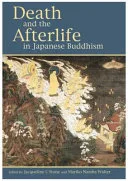
Death and the Afterlife in Japanese Buddhism
 71
71

Death and the Afterlife in Japanese Buddhism
The scholarly rigor of Stone and Walter's "Death and the Afterlife in Japanese Buddhism" is its most considerable asset. The essays collectively demonstrate a sophisticated understanding of how Buddhist doctrines concerning death and rebirth were not static but dynamically shaped by Japanese social structures and evolving philosophical currents. A particular strength lies in the chronological tracing of practices, revealing shifts from early medieval concerns to modern secularization. However, the academic density, while commendable for specialists, might present a barrier for readers less familiar with Buddhist terminology or Japanese history. The discussion of the *bon* festival's integration with Buddhist ancestor veneration offers a concrete example of cultural syncretism, but at times the sheer volume of detail can obscure the broader narrative thread. Despite this, the volume provides an indispensable resource for understanding a crucial aspect of Japanese religious life.
📝 Description
71
Published in 2008, this collection examines a millennium of Japanese Buddhist views on death and the afterlife.
Death and the Afterlife in Japanese Buddhism presents nine scholarly essays that trace the evolution of Buddhist funerary practices and beliefs about what follows death in Japan. The volume analyzes how these traditions changed from the tenth century to the present day, adapting to new social, institutional, and individual needs over a thousand years. The essays engage with a long historical path, showing how Japanese Buddhism, which arrived centuries earlier, had deeply shaped societal rituals by the tenth century. The collection follows the adaptation of Indian Buddhist ideas to Japanese culture, noting the impact of Shinto beliefs and the growth of distinct Japanese Buddhist schools that influenced death ceremonies and ideas about rebirth and hell realms. This work is for academics, graduate students, and dedicated students of Buddhist studies, comparative religion, and Japanese cultural history. It offers a thorough look at the historical development and subtle changes in how Buddhism has addressed mortality and the existence after death within a specific cultural setting.
This book sits within the broader study of East Asian spiritual traditions, specifically focusing on how Buddhist doctrines, originating in India, were transformed and localized within Japan. It examines the interplay between universal teachings on impermanence and liberation and the specific rituals and cosmological frameworks that developed to address Japanese cultural concerns about death, ancestors, and the cycle of rebirth. The essays highlight the unique syncretism that occurred as Buddhism interacted with indigenous Shinto beliefs and shaped distinct Japanese schools of thought concerned with post-mortem existence.
💡 Why Read This Book?
• Gain insight into the historical trajectory of Buddhist death rituals, specifically how practices evolved from the Heian period (794-1185) to contemporary times, offering a unique perspective on religious continuity and change. • Understand the complex interplay between individual anxieties about the afterlife and the institutional needs served by Buddhist funerary rites, as detailed through case studies from the tenth century onwards. • Explore the specific adaptations of Buddhist concepts like *nirvana* and rebirth within the Japanese cultural landscape, moving beyond generic Buddhist theory to specific historical manifestations.
⭐ Reader Reviews
Honest opinions from readers who have explored this book.
❓ Frequently Asked Questions
What is the historical period covered by the essays in "Death and the Afterlife in Japanese Buddhism"?
The essays span over a thousand years, from the tenth century to the present day, examining the evolution of death rituals and afterlife beliefs in Japanese Buddhism.
Which Japanese Buddhist concepts related to death are discussed?
The book explores concepts such as *mahyō*, the significance of the *bon* festival for ancestral spirits, and evolving interpretations of rebirth and *nirvana* within Japanese cultural contexts.
How did Buddhism influence Japanese death rituals according to the book?
For over a millennium, Buddhism has been central to Japanese death rituals, shaping concepts of the afterlife, funeral ceremonies, and post-mortem practices, as detailed by the nine contributing scholars.
Who are the editors of "Death and the Afterlife in Japanese Buddhism"?
The book was edited by Jacqueline I. Stone and Mariko Namba Walter, bringing together scholarly perspectives on this specific area of Buddhist studies.
Does the book discuss the social impact of Buddhist death practices in Japan?
Yes, the essays explore how Buddhist death rites have served not only individual spiritual needs concerning the afterlife but also fulfilled important social and institutional functions within Japanese society.
What is the approximate timeframe of the original publication for this collection?
The collection "Death and the Afterlife in Japanese Buddhism" was first published on August 20, 2008.
🔮 Key Themes & Symbolism
Evolution of Funerary Rites
This collection meticulously charts the historical development of Japanese Buddhist funeral ceremonies and death observances. It moves beyond superficial descriptions to analyze the underlying theological justifications and social functions that these rites served. From tenth-century practices to modern trends, the essays reveal how the engagement with death became a central pillar of Buddhist influence in Japan, adapting to societal needs and evolving interpretations of impermanence and liberation.
Concepts of the Afterlife
The book looks at the diverse and often complex Japanese Buddhist cosmologies concerning what transpires after death. It examines how notions of hell realms, rebirth cycles (*samsara*), and the ultimate goal of *nirvana* were interpreted and practiced. The essays highlight the particular Japanese emphasis on appeasing ancestral spirits and the role of specific rituals, like the *bon* festival, in mediating the relationship between the living and the deceased.
Buddhism and Japanese Society
A significant focus is placed on the integration of Buddhist death-related practices within the broader fabric of Japanese society. The volume illustrates how these religious traditions fulfilled crucial social and institutional roles, providing frameworks for mourning, memorialization, and community cohesion. It examines the reciprocal relationship between religious doctrine and societal structure, showing how Buddhism became deeply embedded in Japanese life through its engagement with mortality.
Continuity and Change
The essays consistently address the dynamic tension between enduring Buddhist principles and the inevitable transformations brought about by historical change. The collection demonstrates that while core doctrines remained, their expression through rituals and beliefs regarding death and the afterlife underwent significant shifts. This analysis provides a nuanced understanding of how Japanese Buddhism maintained its relevance by adapting to new eras and challenges over a thousand years.
💬 Memorable Quotes
Direct passages from the work, attributed to the author.
“For more than a thousand years, Buddhism has dominated Japanese death rituals and concepts of the afterlife.”
— This statement underscores the foundational influence of Buddhist thought and practice on Japanese cultural understandings of mortality, establishing the historical scope and significance of the volume's exploration.
“The nine essays in this volume, ranging chronologically from the tenth century to the present, bring to light both continuity and change in death practices over time.”
— This highlights the book's methodological approach, emphasizing its chronological depth and its aim to reveal the evolving nature of Buddhist engagement with death, showcasing both persistent traditions and significant alterations.
“Buddhist death rites have addressed individual concerns about the afterlife while also filling social and institutional needs.”
— This points to a central analytical theme: the dual function of Buddhist death practices, serving personal spiritual anxieties about post-mortem existence alongside their role in maintaining social order and institutional structures.
“Buddhist death-related practices have assuaged individual concerns about the afterlife...”
— This interpretation focuses on the psychological and existential comfort provided by Buddhist frameworks for understanding death, suggesting a core human need that these practices have historically fulfilled.
“...while also filling social and institutional needs.”
— This highlights the communal and structural importance of Buddhist death rituals, indicating their function in solidifying social bonds, reinforcing hierarchies, and supporting religious institutions within Japanese society.
🌙 Esoteric Significance
Tradition
While primarily focused on mainstream Japanese Buddhism, the volume touches upon esoteric elements that became integrated into popular practice. Many Japanese Buddhist schools, particularly Shingon and Tendai, have roots in Vajrayana Buddhism, which is inherently esoteric. The book's exploration of death rituals, mandalas (though not explicitly detailed here, they are part of the broader tradition), and specific practices aimed at post-mortem well-being can be seen as engaging with the practical application of esoteric soteriological aims within a cultural context.
Symbolism
The concept of the *bon* festival, while a widespread cultural event, carries symbolic weight related to the appeasement of hungry ghosts (*gaki*) and the benevolent return of ancestral spirits. Within a broader Buddhist framework, the cycle of rebirth itself is a powerful symbol of impermanence and the karmic consequences of actions. The transformation from a cycle of suffering to *nirvana* is the ultimate symbolic journey explored through these death practices.
Modern Relevance
Contemporary thinkers and practitioners interested in comparative death studies, mindfulness, and end-of-life care can draw valuable perspectives from this work. The book's examination of how a long-standing tradition grappled with mortality offers a model for understanding enduring human concerns. Furthermore, scholars of secularization and the persistence of religious ritual in modern societies find its analysis of the tenth century to the present particularly relevant for understanding contemporary Japanese spirituality and its historical underpinnings.
👥 Who Should Read This Book
• Scholars of Japanese religions and cultural history seeking a detailed, chronological analysis of Buddhist funerary practices and afterlife beliefs. • Graduate students in comparative religion or Buddhist studies needing to understand the specific socio-historical development of these concepts in East Asia. • Practitioners of Japanese Buddhism interested in the historical roots and evolving meanings of death rituals within their tradition.
📜 Historical Context
Published in 2008, "Death and the Afterlife in Japanese Buddhism" emerged at a time when academic interest in East Asian religions and cultural history was robust. The essays engage with a tradition that had been shaping Japanese society since its introduction in the 6th century. By the tenth century, Buddhism was already deeply entrenched, influencing courtly life and popular beliefs. This collection traces that influence through the medieval period, the Tokugawa era (1603-1868) where sectarian Buddhism was formalized, and into the modern era marked by secularization and Western philosophical inroads. The work implicitly engages with scholars like Hōnen and Shinran, key figures who reformed Buddhist practices concerning salvation and the afterlife. Its reception by scholars like Allan Grapard, who studied Buddhist monasticism and ritual, would have been significant, as the volume offered new perspectives on a perennially central aspect of Japanese religious life.
📔 Journal Prompts
The dominance of Buddhism in Japanese death rituals over a millennium, as stated in the original blurb.
The dual function of Buddhist death rites in addressing individual afterlife concerns and social needs.
The chronological arc of continuity and change in Japanese Buddhist death practices from the tenth century onward.
The specific ways Japanese Buddhist traditions have conceptualized and ritualized the afterlife.
How social and institutional needs shaped Buddhist death-related practices in Japan.
🗂️ Glossary
Mahyō
A specific term related to Buddhist practices, likely associated with chanting or devotional rituals, discussed within the context of Japanese Buddhism and its engagement with death.
Bon Festival (Obon)
A traditional Japanese Buddhist custom to honor the spirits of one's ancestors. It involves rituals, offerings, and the belief that ancestral spirits return to visit their relatives during this period.
Nirvana
In Buddhism, the ultimate goal of liberation from suffering and the cycle of rebirth (*samsara*). Its interpretation and accessibility have varied across different schools and historical periods in Japan.
Samsara
The cycle of death and rebirth, a fundamental concept in Buddhism. Japanese Buddhist thought explores how individuals navigate or escape this cycle through various practices and beliefs concerning the afterlife.
Death Rituals
Ceremonies and practices performed in connection with death, burial, mourning, and remembrance. In Japanese Buddhism, these rituals are deeply intertwined with beliefs about the afterlife and the state of the deceased.
Afterlife Concepts
Beliefs and ideas concerning existence after physical death, including notions of heaven, hell, rebirth, and spiritual realms. Japanese Buddhism has developed unique interpretations of these concepts.
Social and Institutional Needs
The requirements and functions served by religious practices within a community or organization, such as maintaining social cohesion, providing support systems, and reinforcing the authority of religious institutions.