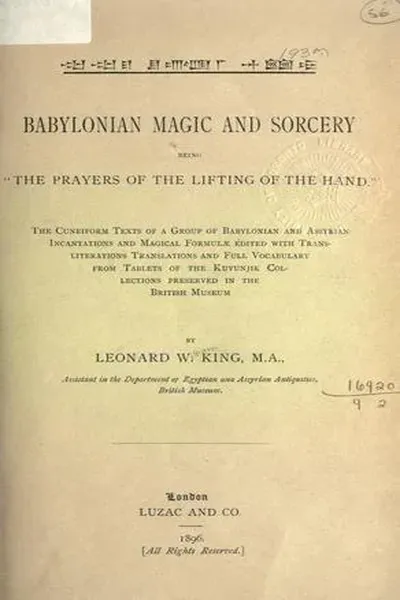
Clinical Experience with Some Rare Nosodes
 82
82

Clinical Experience with Some Rare Nosodes
Dr. S.K. Ghosh’s compilation, Clinical Experience with Some Rare Nosodes, offers a valuable, albeit specialized, addition to the homeopathic literature. Its strength lies in presenting case studies and observations of infrequently used remedies, providing practitioners with potential solutions for complex cases where standard prescriptions falter. The assertion that the sphere of action for these drugs is considerably wide is supported by the clinical anecdotes Ghosh shares, particularly concerning remedies like Carcinosin and Tuberculinum, which he clearly has extensive experience with. However, the work’s primary limitation is its inherent brevity; it feels more like an extended appendix or a series of notes rather than a fully developed treatise. A more thorough exploration of the differential diagnosis for these nosodes, or expanded discussion on their miasmatic connections, would have elevated its utility. Despite this, the book serves as a crucial reminder of the depth available in homeopathic prescribing when one looks beyond the most common remedies. It’s a focused, practical resource for the dedicated homeopath.
📝 Description
82
Published in 2023, S.K. Ghosh's book examines rare nosodes in homeopathy.
S.K. Ghosh's Clinical Experience with Some Rare Nosodes focuses on homeopathic remedies derived from pathological products. Ghosh compiles his clinical observations, offering practical advice on using these less common therapeutic agents. The book argues that the effectiveness and scope of these remedies are often underestimated. This work is for homeopathic practitioners who wish to broaden their materia medica, especially when standard remedies do not resolve difficult cases. It will interest students and experienced clinicians looking for alternative or advanced homeopathic approaches, particularly for chronic or unusual conditions.
Ghosh revisits the study of nosodes, a tradition within homeopathy that gained momentum in the late 19th and early 20th centuries, building on Hahnemann's foundational principles. Pioneers like Hering and Boenninghausen had previously investigated these pathological substances. Ghosh's research adds contemporary clinical data and validation to this lineage, positioning his findings against a broader homeopathic practice that often favors more frequently prescribed remedies.
The study of nosodes is a specific branch within homeopathy that draws from its vitalistic underpinnings. These remedies, prepared from disease matter, represent an effort to work with the deepest levels of pathology to stimulate healing. Their exploration aligns with the homeopathic principle of "like cures like" applied to morbid substances. Ghosh's work engages with this tradition, aiming to demonstrate the practical value of these often overlooked remedies within the established framework of homeopathic philosophy and practice.
💡 Why Read This Book?
• Gain practical insights into utilizing uncommon nosodes, such as Carcinosin, when standard remedies prove insufficient, as detailed in Ghosh's clinical experience. • Understand the expanded sphere of action for potentized pathological remedies, a concept explored through Ghosh's specific case applications. • Discover therapeutic avenues for stubborn pathologies by referencing the practical guidance on rare nosodes, a key focus of the 2023 publication.
⭐ Reader Reviews
Honest opinions from readers who have explored this book.
❓ Frequently Asked Questions
What are nosodes in homeopathy and why are they considered 'rare'?
Nosodes are homeopathic remedies derived from morbid or diseased products, like bacteria or pathological tissues. They are considered 'rare' not necessarily due to lack of availability, but because their application is less frequent than more common remedies, often reserved for specific, challenging cases as explored by Dr. Ghosh.
When would a homeopath consider using a rare nosode like those in Dr. Ghosh's book?
A homeopath might turn to a rare nosode when a patient's symptoms are not fully covered by the similimum found among common remedies, or when a deep-seated, chronic, or miasmatic condition is suspected. Dr. Ghosh's work provides examples of such indications.
How does Dr. S.K. Ghosh present his clinical experience with these remedies?
Dr. Ghosh presents his experience through concise observations and case examples, aiming to demonstrate the efficacy of rare nosodes. The book is structured to offer practical guidance based on his extensive practice, highlighting their usefulness when other remedies fail.
Is this book suitable for beginners in homeopathy?
While valuable, the book is likely best suited for practitioners with a foundational understanding of homeopathic principles and materia medica. The focus on 'rare' nosodes implies a certain level of experience in selecting and prescribing remedies, as demonstrated by Ghosh.
What is the significance of 'potency' in relation to these rare nosodes?
The book emphasizes that the potency or dynamic strength of these remedies is crucial. Dr. Ghosh's work implies that in higher potencies, these nosodes can exert a significant therapeutic effect, addressing pathological processes effectively when indicated.
Does the book offer detailed provings for each rare nosode?
The book focuses primarily on clinical experience and application rather than exhaustive provings. It highlights the practical results obtained with specific nosodes in treating patients, offering a practitioner's perspective on their therapeutic action.
🔮 Key Themes & Symbolism
The Efficacy of Uncommon Nosodes
This theme centers on the assertion that certain pathological remedies, or nosodes, possess a therapeutic power that extends beyond conventional understanding. Dr. Ghosh meticulously documents instances where these 'rare' agents, such as Carcinosin or Tuberculinum, were instrumental in achieving cures or significant improvements when more commonly prescribed remedies had plateaued. The work argues that their specific action addresses deeper layers of disease, proving invaluable in complex or chronic conditions that resist standard treatment protocols.
Expanding the Homeopathic Materia Medica
Ghosh's compilation serves to broaden the practical application of the homeopathic materia medica by focusing on a curated selection of less-frequently utilized nosodes. It challenges practitioners to look beyond the most popular remedies and consider these potent, disease-derived substances. The book implicitly encourages a deeper study of miasmatic connections and the unique symptom pictures that these rare nosodes are indicated for, thereby enriching the prescriber's toolkit.
The Art of Potentization and Indication
Central to the successful use of these rare nosodes, as presented in the book, is the principle of potentization – the process of diluting and succussing substances to increase their dynamic energy. Dr. Ghosh's experience underscores that the correct potency, matched with precise symptom indication, is paramount for unlocking the therapeutic potential of these remedies. The work implies that a failure to achieve results often stems from incorrect potency selection or a misunderstanding of the nosode's specific sphere of action.
Addressing Stubborn Pathologies
A recurring motif is the utility of rare nosodes in tackling ailments that prove resistant to typical homeopathic interventions. Ghosh provides evidence that these remedies can be the key to unlocking a patient's healing vitality when faced with chronic, deep-seated diseases or peculiar symptom complexes. The book offers a practical perspective on using these powerful agents as a last resort or as a strategic intervention in challenging therapeutic scenarios.
💬 Memorable Quotes
Direct passages from the work, attributed to the author.
“His book proves that the sphere of action of drug in potency is considerably wide.”
— This statement highlights the central thesis of Ghosh's work: that homeopathic remedies, particularly when prepared to specific potencies, have a far-reaching and potent effect on the organism, even those derived from disease itself.
“Here, the profession gets some uncommon Nosodes which have proved very useful when indicated remedies failed to do the job.”
— This emphasizes the practical value of the book for homeopathic practitioners, offering specific, less common remedies that serve as crucial alternatives when standard prescriptions do not yield the desired therapeutic outcome.
“The work explores the application of pathological remedies in challenging cases.”
— This interpretation focuses on the book's core subject matter: the practical use of nosodes (remedies derived from disease) for difficult health conditions where conventional approaches have not succeeded.
💡 Key Ideas
Editorial paraphrase of the work's core concepts — not direct quotes.
Dr S K Ghosh has put all his experience in a succinct form.
This paraphrase suggests the author has distilled a lifetime of clinical practice and observation into a concentrated, accessible format for the reader.
Ghosh documents the effectiveness of rare nosodes when standard prescriptions falter.
This paraphrased concept underscores the book's contribution to homeopathy by providing evidence and case examples for the utility of less common remedies in overcoming therapeutic obstacles.
🌙 Esoteric Significance
Tradition
This work falls within the lineage of homeopathic medicine, which itself is rooted in vitalistic philosophies and esoteric understandings of health and disease. Homeopathy's emphasis on 'like cures like' (similia similibus curentur) and the dynamic action of highly potentized substances aligns with Hermetic principles concerning the transformation of matter and energy. The use of nosodes, derived from disease, adds a layer of exploring the shadow or 'lower' aspects of the vital force, seeking to transmute or neutralize them through energetic means.
Symbolism
The primary symbolism lies in the nosodes themselves: substances born of disease are transformed into agents of healing. This reflects an alchemical process of transmutation, where the destructive is utilized to create the constructive. The 'rare' nature of these nosodes suggests studying less obvious, perhaps more concealed, aspects of pathology or the vital force – akin to exploring hidden or shadow realms within the psyche or organism. The concept of potency further symbolizes the amplification of subtle energies beyond material perception.
Modern Relevance
Contemporary practitioners of classical homeopathy continue to draw upon the principles and remedies explored in works like Ghosh's. Thinkers and schools focused on miasmatic theory and deeper layers of chronic disease find these nosodes essential. Furthermore, in fields exploring energetic medicine and subtle energy therapeutics, the concept of potentization and the application of disease-derived remedies offers a unique model for understanding how energetic patterns can be influenced and transformed.
👥 Who Should Read This Book
• Homeopathic practitioners seeking to deepen their understanding and application of potentized remedies derived from pathological sources. • Students of homeopathy looking to supplement their knowledge of materia medica with practical case experience of less common, yet highly effective, nosodes. • Clinicians specializing in chronic disease management who require advanced tools for cases resistant to standard therapeutic approaches.
📜 Historical Context
The study and application of nosodes in homeopathy emerged significantly in the late 19th century, a period marked by intense exploration of Hahnemann's principles. Figures like Dr. C. M. Boger and Dr. James Tyler Kent were instrumental in cataloging and advocating for the use of such remedies, often derived from disease products like bacteria and morbid growths. This was happening against a backdrop where classical homeopathy was solidifying its foundational texts, with Kent's Repertory and Lesser Writings being highly influential. Ghosh's work, published in 2023, revisits this lineage of specialized remedies. While the initial exploration of nosodes like Psorinum dates back to Hahnemann himself and subsequent work by scholars like Hering, Ghosh brings contemporary clinical validation. The reception of such specialized works often depends on the practitioner's openness to expanding beyond the most frequently cited remedies in standard materia medica, potentially facing skepticism from those favouring more established or widely proven drugs.
📔 Journal Prompts
The utility of rare nosodes when indicated remedies fail.
Dr. Ghosh's assertion regarding the wide sphere of action for potentized drugs.
Specific case examples of Carcinosin or Tuberculinum application.
The concept of using disease products for healing.
Identifying potential indications for uncommon nosodes in your own practice.
🗂️ Glossary
Nosode
A homeopathic remedy prepared from morbid or diseased products, such as bacteria, viruses, or pathological tissues. They are used to treat conditions related to the original disease state.
Potency
In homeopathy, the degree of dilution and succussion (shaking) a remedy has undergone. Higher potencies are believed to possess greater dynamic energy and act on deeper levels of the organism.
Sphere of Action
The range of symptoms, organs, or bodily systems that a particular homeopathic remedy is known to influence or treat effectively.
Indicated Remedies
The homeopathic remedies that are selected based on their ability to match the totality of a patient's symptoms, following the principle of 'like cures like'.
Materia Medica
A comprehensive reference work detailing the symptoms, characteristics, and therapeutic uses of homeopathic remedies.
Pathological Products
Substances derived from disease processes within the body, such as abscesses, tumors, secretions, or microorganisms, used in the preparation of nosodes.
Carcinosin
A nosode prepared from cancerous tissue, used in homeopathy to treat individuals with a predisposition to or history of malignancy, or with specific associated symptoms.
This book appears in 1 collection
🔮 Readers Also Liked
Browse all →









From the “Homeopathy” Collection
View all →








More Free Occult Philosophy Books
View all →