The Realm of Secondhand Souls
 77
77

The Realm of Secondhand Souls
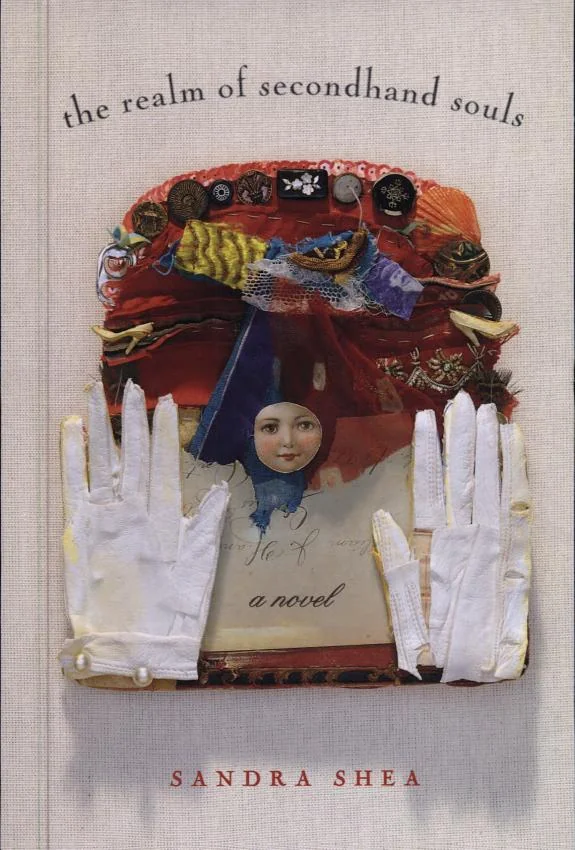
Sandra Shea’s debut, The Realm of Secondhand Souls, presents a starkly drawn portrait of familial discord. Novena’s arrival disrupts the established order of her aunt’s household, most acutely for Zan, who is depicted as a cruel child fixated on tormenting small creatures. The novel excels in its unflinching depiction of childhood resentment, particularly Zan’s visceral reaction to losing his status as the youngest. Shea doesn't shy away from the uglier aspects of sibling interaction, creating a palpable tension. However, the narrative's intensity can sometimes feel relentless, with fewer moments of genuine respite or character softening than might be desired for broader reader appeal. The story hinges on the emotional geography of Nile Bay, a town whose mythical underpinnings are more felt than explicitly detailed. Shea’s work is a potent, if occasionally bleak, exploration of familial bonds strained to their breaking point.
📝 Description
77
Sandra Shea's 2000 novel, The Realm of Secondhand Souls, centers on an orphan's life in a peculiar small town.
The Realm of Secondhand Souls follows Novena, an orphan who moves to Nile Bay to live with her aunt. There, she navigates a complex relationship with her adoptive cousin, Zan. The narrative details their intertwined lives and the emotional repercussions of adoption within their blended family. Shea uses the fictional setting of Nile Bay to reflect the inner turmoil of her characters. The town itself takes on a mythical quality, mirroring the psychological states of those who inhabit it. This character-driven story examines themes of belonging, sibling rivalry, and the lasting effects of family dynamics.
Published in 2000, the book emerged during a time when literary fiction was exploring unconventional family structures and deep character studies. Its publication predates the dominance of digital literature, suggesting readers encountered it through more traditional channels. The story focuses on fractured relationships and the emotional fallout from adoption and perceived favoritism, making the town's unique atmosphere integral to the characters' experiences.
While not overtly occult, The Realm of Secondhand Souls engages with esoteric sensibilities through its focus on the psychological resonance of place and the complex inner lives of its characters. The town of Nile Bay functions as a liminal space, a backdrop for internal states and fractured relationships. This mirrors certain traditions that examine how environment shapes consciousness and identity, often imbuing ordinary settings with symbolic weight. The narrative's emphasis on inherited emotional legacies and the subtle, often unseen, forces that bind family members aligns with a broader esoteric interest in the unseen connections that influence human experience.
💡 Why Read This Book?
• Understand the intricate, often harsh, dynamics of sibling rivalry through Novena's experience of being the 'usurper' in her aunt's home. • Explore the psychological weight of childhood trauma and resentment as embodied by Zan's violent tendencies and his inability to forgive. • Grasp how a fictionalized setting like Nile Bay can amplify internal emotional states, making the environment a mirror to the characters' psyches.
⭐ Reader Reviews
Honest opinions from readers who have explored this book.
❓ Frequently Asked Questions
What is the primary setting for The Realm of Secondhand Souls?
The novel is set in the mythical town of Nile Bay, a locale whose atmosphere and character contribute significantly to the unfolding family drama.
Who are the central characters in the book?
The key figures are Novena, an orphaned girl, and her adoptive cousin Zan, who resents her arrival.
What year was The Realm of Secondhand Souls first published?
Sandra Shea's novel was first published in the year 2000.
What themes does the book explore?
It delves into family dynamics, sibling rivalry, adoption, and the psychological impact of childhood experiences.
Is The Realm of Secondhand Souls a series?
No, it is presented as a standalone novel, and it was Sandra Shea's first published work.
What is the author's background related to this book?
The Realm of Secondhand Souls is Sandra Shea's debut novel, published in 2000.
🔮 Key Themes & Symbolism
Sibling Rivalry and Resentment
The core of the novel lies in the bitter rivalry between Novena and Zan. Zan's extreme reaction to Novena's adoption—torturing small creatures and his subsequent flight—highlights a primal, almost archetypal, struggle for affection and status within the family unit. The narrative examines how perceived slights and the loss of parental attention can manifest in destructive behavior, making the dynamics between these two characters a central focus of the book's psychological exploration.
The Impact of Orphanhood
Novena's status as an orphan shapes her entire existence within the new family structure. Her displacement and the need to adapt to an already established, albeit dysfunctional, household are critical to her character arc. The novel portrays the vulnerability and resilience required to forge an identity when one's foundational family ties have been severed, exploring the emotional range of a child seeking belonging and stability.
Mythical Setting and Internal States
Nile Bay is more than just a backdrop; its mythical quality serves as a canvas for the characters' internal turmoil. The town's atmosphere seems to mirror the emotional intensity of the family's struggles, suggesting a connection between the external environment and the characters' psychological states. This creates a unique, almost gothic, resonance where the landscape itself appears to bear witness to or even influence the unfolding drama.
Disruption and Adaptation
The arrival of Novena represents a significant disruption to the established order of her aunt's household. The narrative details the subsequent process of adaptation, not just for Novena but for the entire family, particularly Zan. The book scrutinizes how individuals cope with unwanted change and the ways in which familial structures are tested and potentially reshaped by new members and unresolved conflicts.
💬 Memorable Quotes
Direct passages from the work, attributed to the author.
“Zan could not forgive Novena for usurping his place as the baby of the family.”
— This succinctly captures the core of Zan's resentment. It frames Novena's arrival not as a joyous addition, but as an invasion that stripped him of his perceived birthright and security.
“The heroine is Novena, an orphaned girl who is adopted by her aunt.”
— This identifies Novena's central role and her foundational vulnerability as an orphan, setting the stage for her journey of adaptation and identity formation within a new family.
“The heroine is Novena, an orphaned girl who is adopted by her aunt, who already has four boys.”
— This highlights the immediate disruption Novena's arrival causes, emphasizing the crowded and potentially competitive environment she enters, immediately framing the family dynamics as complex.
“They include Zan, a torturer of frogs and other helpless creatures.”
— This stark description immediately establishes Zan's character as disturbed and cruel, foreshadowing his antagonistic relationship with Novena and hinting at deeper psychological issues.
“One day he runs away.”
— This action signifies Zan's extreme reaction to his perceived loss and his inability to reconcile with Novena's presence, marking a significant plot point and escalating the family's internal conflict.
🌙 Esoteric Significance
Tradition
While not explicitly a work of esoteric doctrine, The Field of Secondhand Souls can be interpreted through a Gnostic lens. The characters' struggles with their perceived 'fallen' states, their yearning for a lost 'home' or completeness, and the pervasive sense of unease within the 'material' world of Nile Bay resonate with Gnostic themes of alienation and the search for true knowledge or salvation from an imperfect existence.
Symbolism
The 'torturer of frogs' motif associated with Zan symbolizes a corrupted innocence and a primal rage turned outward due to internal distress. The concept of 'secondhand souls' itself suggests a lineage or inheritance of trauma and identity, where individuals are not born but 'received,' carrying the imprints of previous experiences or familial burdens. The mythical town of Nile Bay functions as a symbolic landscape, representing a liminal space where psychological realities are amplified and externalized.
Modern Relevance
Contemporary discussions in psychology and spiritual development often focus on intergenerational trauma and the impact of early childhood experiences on adult identity. Shea's novel speaks to these concerns by vividly illustrating how unresolved childhood resentments and the search for belonging can shape individuals and family systems. Thinkers in attachment theory and those exploring the impact of adverse childhood experiences (ACEs) might find resonance in the book's unflinching portrayal of these dynamics.
👥 Who Should Read This Book
• Readers interested in psychological realism and character studies who appreciate narratives that explore the darker aspects of human nature. • Students of family dynamics and developmental psychology seeking fictional examples of sibling rivalry, orphanhood, and the impact of adoption. • Those drawn to literary fiction set in evocative, slightly unsettling locales that mirror the internal states of their characters.
📜 Historical Context
Published in 2000, Sandra Shea's debut novel, The Field of Secondhand Souls, arrived amidst a literary landscape where authors like Alice Sebold (with 'The Lovely Bones,' 2002) were beginning to explore darker, more psychologically complex themes within family narratives. The turn of the millennium saw a continued interest in introspective fiction that probed the intricacies of human relationships, often through the lens of childhood trauma or societal alienation. While not aligning directly with the speculative fiction boom of the late 20th century, Shea's work shared a thematic resonance with literary fiction that favored character depth over plot mechanics. The novel’s reception was that of a promising first-time author, noted for its raw portrayal of unsettling family dynamics, contrasting with more overtly genre-driven works that might have been popular at the time. It emerged without significant controversy but was recognized for its mature handling of difficult subjects.
📔 Journal Prompts
Novena's adaptation to her aunt's household and her relationship with Zan.
The symbolic weight of Zan's cruelty towards animals.
The function of Nile Bay as a mythical landscape in the novel.
The concept of 'secondhand souls' and its implications for identity.
Reflecting on the disruption Novena's arrival caused within the family structure.
🗂️ Glossary
Nile Bay
The fictional, mythical town serving as the primary setting for the novel. Its atmosphere is integral to the story's psychological and emotional landscape.
Novena
The orphaned protagonist who is adopted by her aunt, becoming the central figure around whom family dynamics shift.
Zan
Novena's adoptive cousin, characterized by his intense resentment and cruel behavior towards animals, stemming from his perceived loss of status.
Usurping the baby of the family
A key concept explaining Zan's deep-seated anger towards Novena, who he feels has stolen his position and importance within the family unit.
Torturer of frogs
A descriptive label for Zan, highlighting his early signs of disturbed behavior and cruelty as a manifestation of his psychological distress.
Secondhand Souls
The title concept, implying souls or identities that are not entirely original or self-created, but inherited, adopted, or influenced by external circumstances and past experiences.
First novel
Indicates that The Field of Secondhand Souls was Sandra Shea's debut publication, setting the stage for her literary career.
This book appears in 1 collection
🔮 Readers Also Liked
Browse all →









From the “Precognition” Collection
View all →


![EBOOK COLLECTION ( PART 8) [ CSI][h 33t]](/img/thumb/ebook-collection-part-8-csi-h-33t.webp)


More Free Occult Philosophy Books
View all →