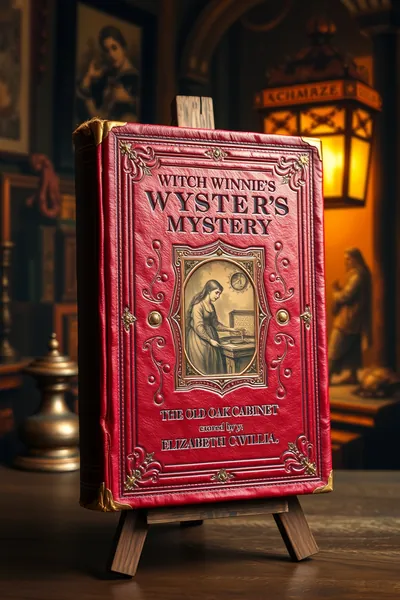
Circle of Three
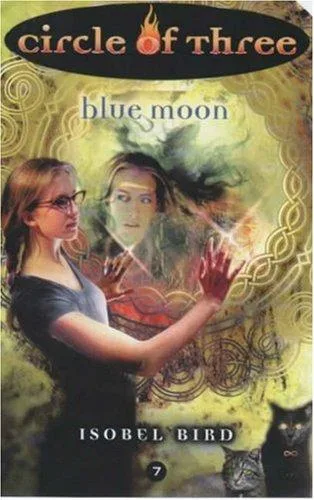
 84
84

Circle of Three
Michael Thomas Ford’s Circle of Three presents a compelling, character-driven narrative that grounds witchcraft in palpable human emotion. The novel excels in portraying the nuanced dynamics within a small coven, particularly the intricate dance of attraction and commitment between its three central figures. Ford avoids sensationalism, instead focusing on the practical, everyday implications of magic on relationships. A notable strength lies in its depiction of ritual as an intimate, shared experience that deepens bonds. However, the plot occasionally feels constrained by its focus on romantic entanglements, sometimes overshadowing the more expansive potential of the magical elements introduced. The exploration of the "three" as a magical and relational construct, particularly evident when the characters attempt a specific binding ritual, is handled with a sensitive, realistic touch. Despite its minor pacing issues, Circle of Three offers a refreshingly grounded perspective on contemporary witchcraft.
📝 Description
84
Michael Thomas Ford's 2001 novel Circle of Three weaves magic into modern relationships.
Circle of Three, published in 2001, follows individuals whose lives intertwine through shared magical practice and developing romantic bonds. Michael Thomas Ford uses this narrative to examine the practical and emotional sides of modern paganism and witchcraft. The book depicts magical rituals and beliefs as lived experiences that shape everyday choices and interpersonal dynamics.
This novel is for readers who appreciate contemporary witchcraft stories that focus on character and relationships rather than instruction. It will appeal to those who enjoy fiction where magic enhances relatable human stories, especially concerning love, commitment, and finding oneself. Those curious about the social and emotional aspects of covens or small magical groups may find it particularly interesting.
Published in 2001, Circle of Three appeared as neopaganism and witchcraft gained more public notice in the West. The novel builds on earlier works by figures like Raymond Buckland and Scott Cunningham, reflecting a growing interest in alternative spiritualities. Ford's book offers a fictional, character focused perspective on contemporary magical practice, contrasting with more academic studies of these traditions.
💡 Why Read This Book?
• Gain insight into the social dynamics of modern covens, understanding how relationships and magical practice intertwine, as depicted through the characters' evolving bonds in "Circle of Three." • Explore the symbolic significance of the number three in magical and romantic contexts, observing its role in shaping the narrative's core relationships and rituals. • Understand the integration of witchcraft into everyday life, seeing how fictional characters navigate personal challenges and desires through their magical practices.
⭐ Reader Reviews
Honest opinions from readers who have explored this book.
❓ Frequently Asked Questions
When was Michael Thomas Ford's Circle of Three first published?
Circle of Three by Michael Thomas Ford was first published in 2001. This publication date places it within a period of growing interest in neopaganism and witchcraft in popular culture.
What are the main themes explored in Circle of Three?
The novel primarily explores themes of modern witchcraft, romantic relationships, the dynamics of small covens, and the integration of magical practice into daily life, focusing on the interpersonal connections between three central characters.
Does Circle of Three offer practical magical instruction?
No, Circle of Three is a fictional narrative and does not offer direct magical instruction. Its focus is on the character and relationship aspects of contemporary witchcraft, not on providing spells or rituals for readers to perform.
Who are the main characters in Circle of Three?
The central characters are typically understood to be three individuals whose lives and magical practices become intertwined, forming the core of the coven and the narrative's relational dynamics.
What is the significance of the 'circle of three' in the book's context?
The 'circle of three' refers to the central group of characters and their magical coven, highlighting the potent and often complex dynamics inherent in a triad, both magically and romantically.
Is Circle of Three part of a series?
Circle of Three is generally considered a standalone novel by Michael Thomas Ford, focusing on a self-contained story arc concerning its central characters and their magical community.
🔮 Key Themes & Symbolism
Covens and Community
The novel portrays the coven as more than a ritualistic necessity; it functions as a vital social nexus. Ford examines how shared magical practice fosters deep emotional bonds and creates a unique form of community. The interactions within this small group highlight the challenges and rewards of communal spiritual life, particularly when personal desires and external relationships intersect with the group's magical goals. This focus offers a character-centric view of covens, moving beyond generalized depictions to explore the intimate fabric of such associations.
The Triad in Magic and Love
Central to Circle of Three is the exploration of the number three, both as a magical operative number and a relational configuration. The narrative looks at the inherent complexities, balances, and potential tensions that arise when three individuals form a tightly knit group, whether for ritual or romance. This motif is explored through the characters' interactions, their attempts at shared spellwork, and the evolving romantic dynamics, presenting the triad as a potent, many-sided symbol within the story's esoteric framework.
Everyday Esotericism
Ford grounds the practice of witchcraft within the mundane realities of contemporary life. Magic is not presented as an otherworldly escape but as a tool and a perspective that influences everyday decisions, relationships, and personal growth. The characters grapple with love, commitment, and self-understanding, using their magical knowledge and practices as integral parts of their personal journeys. This approach emphasizes the lived, practical application of esoteric beliefs, demonstrating how they can inform and shape ordinary human experiences.
Ethical Practice and Desire
The narrative subtly addresses the ethical considerations inherent in magical work, particularly when it involves influencing others or manifesting personal desires. Characters work through the consequences of their actions and intentions, exploring the fine line between personal empowerment and manipulation. This theme is woven into the romantic entanglements and ritualistic efforts, prompting reflection on the responsibility that accompanies magical ability and the importance of consent and genuine connection in both magical and interpersonal spheres.
💬 Memorable Quotes
Direct passages from the work, attributed to the author.
“When we cast a spell, we're not just asking the universe for something; we're making a promise to ourselves.”
— This interpretation highlights the internal commitment and personal responsibility involved in magical practice, suggesting that spells are as much about self-transformation and intention as they are about external manifestation.
“The circle isn't just the space we stand in; it's the energy we create together.”
— This emphasizes the communal and energetic aspect of ritual. It suggests that the true power of a circle lies not in its physical boundaries but in the shared intent and collective consciousness of the participants.
“Love, like magic, requires tending. You can't just plant the seed and walk away.”
— This captures the idea that both romantic relationships and magical workings require ongoing effort, attention, and nurturing to flourish and be sustained over time.
“Sometimes the most potent magic is simply being truly present with another person.”
— This interpretation points to the power of focused attention and genuine connection as a form of profound, almost magical, interaction, valuing presence over elaborate ritual.
💡 Key Ideas
Editorial paraphrase of the work's core concepts — not direct quotes.
We were three points of a triangle, each pulling in a different direction, yet bound by the same unseen lines.
This paraphrased concept speaks to the complex dynamics of the central triad, illustrating the forces of attraction, potential conflict, and interconnectedness that define their relationships and shared magical endeavors.
🌙 Esoteric Significance
Tradition
While not explicitly tied to a single historical lineage, Circle of Three engages with contemporary Western esoteric traditions, particularly modern witchcraft and neopaganism. It draws upon themes common in these paths, such as the power of intention, the significance of natural cycles, and the concept of the coven as a spiritual community. The work departs from stricter, historical models by focusing on the psychological and relational aspects of magic, emphasizing personal experience and evolving interpretations of tradition over adherence to rigid dogma.
Symbolism
The number three is a central symbol, representing the triad of characters and their interconnected magical and romantic lives. This number carries potent symbolism across many esoteric traditions, often signifying balance, creation, or a divine feminine principle. The "circle" itself is another key symbol, representing not just the ritual space but also unity, protection, and the cyclical nature of life and magic. The act of "casting" or ritual spellwork symbolizes the intentional shaping of reality and personal will.
Modern Relevance
Contemporary practitioners of witchcraft and neopaganism continue to find relevance in Ford's depiction of covens as supportive, dynamic communities. The novel’s exploration of integrating magic into personal relationships and daily life speaks to modern approaches that emphasize psychological depth and ethical considerations. Thinkers and writers focusing on relational witchcraft, feminist spirituality, and the intersection of magic and modern psychology may find its nuanced portrayal of interpersonal esoteric dynamics particularly insightful.
👥 Who Should Read This Book
• Readers interested in contemporary witchcraft narratives that focus on character relationships and emotional depth, rather than purely instructional content. • Individuals curious about the social and psychological dynamics within small magical communities, exploring how shared spiritual practice influences interpersonal bonds. • Fiction enthusiasts who enjoy stories that blend supernatural elements with relatable human drama, particularly concerning themes of love, commitment, and self-discovery.
📜 Historical Context
Michael Thomas Ford's Circle of Three arrived in 2001, a period marked by the burgeoning visibility of neopaganism and witchcraft in Western culture. Following the groundwork laid by figures like Gerald Gardner and later popularizers such as Scott Cunningham, the early 2000s saw increased public interest, often filtered through fiction and popular media. This novel emerged alongside a wave of contemporary fantasy and occult-themed literature, offering a fictional exploration of witchcraft that prioritized character development and relational dynamics over didacticism. While academic works on Wicca and paganism were gaining traction, Ford's approach provided an accessible, narrative-driven entry point for a broader audience curious about these traditions. The novel reflects a cultural moment where alternative spiritualities began to move from the fringes into more mainstream consciousness, engaging with themes of personal empowerment and community that resonated with a generation seeking meaning outside established religious structures.
📔 Journal Prompts
The promise made to oneself during a magical act.
Reflecting on the energetic creation within a shared circle.
The tending required for both love and magic.
Moments of profound presence with another individual.
Interpreting the unseen lines binding a triad.
🗂️ Glossary
Coven
A group of witches, typically numbering three or more, who gather for ritual and magical practice. In modern contexts, it often serves as a close-knit community and support system.
Casting
The act of performing a magical ritual or spell. This involves focused intention, specific actions or words, and often the creation of a sacred space like a circle.
Neopaganism
A broad term for modern religious movements that draw inspiration from historical pagan traditions. Contemporary witchcraft is often considered a form of neopaganism.
Ritual
A set of actions performed according to a prescribed order, often for religious or magical purposes. Rituals create sacred space and focus collective energy and intent.
Triad
A group of three individuals. In the context of the book, it refers to the central characters and the complex dynamics, both magical and romantic, that bind them together.
Witchcraft
A spiritual practice often involving the use of magic, ritual, and connection to nature. Contemporary witchcraft encompasses diverse traditions and personal interpretations.
Esotericism
Systems of thought or practice concerned with hidden knowledge or spiritual enlightenment, often involving symbolism, initiation, and direct experience rather than dogma.
🔮 Readers Also Liked
Browse all →






More by Michael Thomas Ford
All books →


More Free Witchcraft & Paganism Books
View all →