Circle of Three
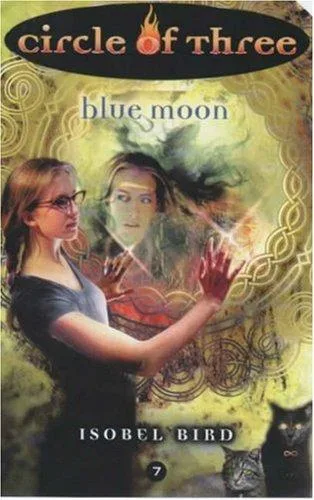
 74
74

Circle of Three
Michael Thomas Ford’s Circle of Three doesn’t shy away from the messier aspects of discovering witchcraft. Unlike many genre predecessors that lean heavily on ancient lore or dramatic curses, Ford grounds his narrative in the very real anxieties and tentative steps of three young women forming their own magical circle. The strength of the book lies in its authentic portrayal of friendship and the awkward, often humorous, process of learning to wield nascent powers. The internal monologues and dialogue feel particularly true to life, capturing the hesitant excitement and self-doubt that accompany profound personal change. However, the plot occasionally meanders, and some readers might wish for a more decisive arc in the magical development. A passage detailing the characters’ fumbling attempts at a simple protection spell, emphasizing their shared vulnerability and tentative belief, highlights both the book’s charm and its occasional pacing issues. Ultimately, Circle of Three is a sincere look at the personal beginnings of a magical path.
📝 Description
74
Michael Thomas Ford's 2001 novel Circle of Three explores contemporary witchcraft through a character-driven lens.
Circle of Three, published in 2001, follows characters as they discover nascent magical abilities and form a coven. The story focuses on the practical and emotional aspects of modern pagan practice, emphasizing community and personal growth. It offers a grounded view of witchcraft, centering on the experiences of individuals navigating their spiritual paths.
This novel appeals to readers interested in occult fiction that prioritizes character development and relatable challenges. Those curious about neopaganism, witchcraft, and the dynamics of magical communities will find it engaging. The book touches on themes of self-discovery, friendship, and the complexities of embracing one's spiritual identity.
Published in 2001, Circle of Three appeared as interest in neopaganism and witchcraft grew, moving beyond earlier romanticized portrayals. The novel reflects a shift toward contemporary, often suburban settings and a more psychological approach to witchcraft. This coincided with a broader discourse on modern pagan traditions, influenced by both popular culture and academic interest.
💡 Why Read This Book?
• You will learn about the specific challenges and rewards of forming a new coven, as depicted through the relationships of the three protagonists, Clara, Jessica, and Wendy. • You will feel the authentic awkwardness and excitement of discovering and tentatively practicing witchcraft, particularly through the described attempts at simple rituals like a warding spell. • You will gain insight into the personal journey of self-initiation and the integration of spiritual practice into contemporary life, as seen through the characters' evolving understanding of their abilities.
⭐ Reader Reviews
Honest opinions from readers who have explored this book.
❓ Frequently Asked Questions
What is the central premise of Michael Thomas Ford's Circle of Three?
Circle of Three follows three young women who form a coven, exploring their personal journeys with witchcraft, magic, and community building in a contemporary setting.
When was Circle of Three first published?
The novel Circle of Three by Michael Thomas Ford was first published in 2001.
What themes does Circle of Three explore?
The book delves into themes of self-discovery, friendship, the formation of magical covens, developing psychic abilities, and integrating spiritual practices into daily life.
Is Circle of Three a beginner-friendly book for learning witchcraft?
While not a practical grimoire, Circle of Three offers a relatable fictional perspective on the personal journey of witchcraft, making it accessible for beginners curious about the lifestyle.
Who are the main characters in Circle of Three?
The primary characters are Clara, Jessica, and Wendy, whose intertwined lives and developing magical practices form the core of the narrative.
Does Circle of Three focus on historical or modern witchcraft?
The novel focuses on contemporary, modern witchcraft practices and the personal experiences of its practitioners, rather than historical traditions.
🔮 Key Themes & Symbolism
Coven Formation Dynamics
The narrative meticulously details the process of establishing a coven, moving beyond idealized notions to showcase the real interpersonal dynamics, negotiations, and shared learning that occur. It highlights how three individuals, Clara, Jessica, and Wendy, navigate differing personalities and approaches to magic to forge a cohesive unit. The book emphasizes the importance of mutual support and shared intention in building a strong magical community, illustrating that the strength of a coven lies not just in its magical power, but in the bonds between its members.
Personal Initiation and Self-Discovery
Circle of Three portrays witchcraft not as an inherited mantle but as a path of personal discovery and self-initiation. The characters grapple with their burgeoning abilities and spiritual inclinations, often questioning their own perceptions and the validity of their experiences. This theme appeals to the modern pagan concept of individual spiritual authority, where practitioners chart their own course. The novel illustrates the internal struggles, moments of doubt, and eventual empowerment that accompany embracing one's true self and magical potential.
Integrating Magic into Daily Life
A significant aspect of the book is its focus on how magical practices can be woven into the fabric of everyday, contemporary existence. It moves away from isolated ritual spaces to show characters incorporating their beliefs and practices into their homes, friendships, and personal challenges. This reflects a modern neopagan sensibility that seeks to imbue the mundane with the sacred, demonstrating that magic is not separate from life but an integral part of it. The narrative explores the practical application of spiritual awareness in mundane situations.
The Nature of Contemporary Practice
Ford's work offers a grounded perspective on what contemporary witchcraft looks like, emphasizing psychological development, ethical considerations, and community building over purely arcane rituals. It addresses the challenges of practicing a minority spiritual path in a secular or dominant-religious society, including the need for discretion and finding authentic connections. The book implicitly contrasts its portrayal with more sensationalized or historically distant notions of witchcraft, presenting a relatable vision for modern seekers.
💬 Memorable Quotes
Direct passages from the work, attributed to the author.
“The magic wasn't just in the spells; it was in the trying, the failing, and the trying again together.”
— This reflects the novel's emphasis on process and community over outcome. It suggests that personal growth and magical development occur through persistent effort and shared experience, even amidst uncertainty and mistakes.
“She realized that claiming her power meant accepting the awkwardness, the uncertainty, and the sheer strangeness of it all.”
— This highlights the theme of self-acceptance in embracing one's spiritual path. True power, the interpretation suggests, comes not from effortless mastery but from owning the entire experience, including its less glamorous aspects.
“Finding others who understood felt like discovering a hidden language spoken only by a few.”
— This captures the profound sense of connection and validation experienced when finding like-minded individuals within a spiritual community. It underscores the importance of belonging and shared understanding for those on unconventional paths.
“The circle wasn't just about casting spells; it was about holding space for each other's growth.”
— This interpretation emphasizes the communal and supportive aspect of the coven. It posits that the primary function of the group is to provide a safe environment for individual members to evolve and explore their potential.
💡 Key Ideas
Editorial paraphrase of the work's core concepts — not direct quotes.
Her witchcraft wasn't ancient or grand; it was quiet, personal, and woven into the rhythm of her everyday life.
This quote defines contemporary witchcraft as accessible and integrated, rather than separate or ostentatious. It suggests that spiritual practice can be a subtle yet powerful force shaping one's daily existence.
🌙 Esoteric Significance
Tradition
Circle of Three engages with contemporary Western Esotericism, specifically the diverse range of modern neopaganism and witchcraft. It departs from older, more ritualistically rigid or deity-focused traditions by centering on the personal, psychological, and communal aspects of spiritual practice. The work reflects a lineage influenced by Gerald Gardner's Wicca but emphasizes individual exploration and the formation of ad-hoc covens, aligning with eclectic paganism that draws from various sources and prioritizes personal experience over strict adherence to a single tradition.
Symbolism
While not overtly symbolic in a classical sense, the 'circle' itself functions as a primary symbol representing unity, protection, and a sacred space created by intention. The act of 'three' signifies partnership, balance, and the emergence of a new whole from individual components. The tentative, often fumbling, nature of the characters' early magical acts symbolizes the universal human experience of learning and growth, particularly when starting a path less traveled.
Modern Relevance
This novel remains relevant to contemporary spiritual seekers who are drawn to witchcraft and paganism but may feel intimidated by established traditions or complex lore. It speaks to the modern desire for authentic community and personal spiritual expression in a secular world. Thinkers and practitioners involved in eclectic witchcraft, pagan community organizing, and those exploring the intersection of psychology and spirituality often find resonance in Ford’s grounded approach to magical practice and coven dynamics.
👥 Who Should Read This Book
• Readers interested in contemporary witchcraft and neopaganism who seek relatable fictional narratives. • Aspiring practitioners curious about the personal journey of self-initiation and coven formation. • Fans of character-driven fiction exploring themes of friendship, identity, and spiritual awakening.
📜 Historical Context
Michael Thomas Ford’s Circle of Three arrived in 2001, a period marked by burgeoning interest in neopaganism and witchcraft, significantly amplified by the internet's growing reach. This era saw a diversification of witchcraft narratives beyond historical reconstructions or sensationalized horror tropes. Ford’s novel aligns with a trend toward more psychologically grounded and character-focused explorations of modern pagan practices, reflecting contemporary suburban settings and personal journeys of self-discovery. It appeared alongside a growing body of literature on Wicca and neopaganism aimed at a general audience, such as Scott Cunningham's accessible guides. While not directly engaging with academic discourse, its popular appeal contributed to the broader cultural understanding—and often, misunderstanding—of witchcraft. The work’s reception was part of a larger cultural conversation about alternative spiritualities gaining mainstream visibility, distinguishing itself from earlier, more esoteric or fringe representations.
📔 Journal Prompts
Reflect on the initial formation of the 'Circle of Three' and the challenges Clara, Jessica, and Wendy faced.
Consider the personal journey of self-discovery undertaken by each character in embracing their abilities.
Analyze the significance of the 'circle' as a symbol of unity and shared intention in the narrative.
Explore the practical ways the characters integrated their nascent witchcraft into everyday life.
What does the novel suggest about the importance of finding a supportive spiritual community?
🗂️ Glossary
Coven
A group of witches, typically numbering around thirteen, who meet for ritual and practice. In contemporary contexts, covens can be more fluid in size and structure.
Neopaganism
A broad category of modern spiritual paths that seek to revive or reinterpret pre-Christian European religions, often emphasizing nature worship and polytheism.
Witchcraft
A spiritual practice often associated with nature, magic, and ritual. Modern witchcraft encompasses diverse traditions, many focusing on personal empowerment and connection to the earth.
Self-initiation
The process by which an individual formally or informally dedicates themselves to a spiritual path or practice without formal guidance from an established group or leader.
Ritual
A set of actions performed in a prescribed order, often for religious or spiritual purposes, used in witchcraft to focus intention, create sacred space, or effect change.
Psychic abilities
Perceived innate capacities to sense or influence events beyond the normal range of human senses, such as intuition, precognition, or telekinesis, often explored in esoteric contexts.
Ward
A protective magical barrier or enchantment designed to keep out unwanted influences or energies, often created through ritual and focused intention.
🔮 Readers Also Liked
Browse all →









More by Michael Thomas Ford
All books →


More Free Occult Philosophy Books
View all →