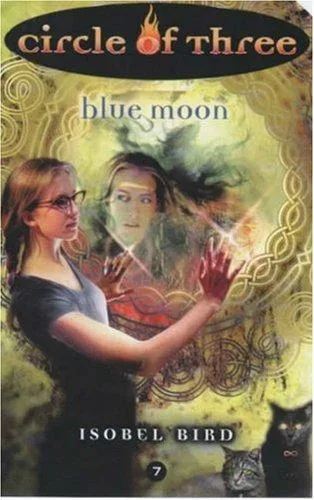
Circle of Three
 75
75

Circle of Three
Ford’s "Circle of Three" offers a refreshing, character-focused look at a coven, eschewing overt dramatization for a more intimate exploration of magical practice. The strength lies in its realistic portrayal of the interpersonal dynamics within a shared magical path. The author successfully grounds the supernatural elements in relatable human emotions and conflicts. A notable aspect is the depiction of how everyday concerns—relationships, personal growth, and even mundane tasks—are woven into the fabric of their magical lives, particularly evident in the discussions surrounding their shared rituals and their impact.
However, the narrative occasionally feels constrained by its focus on domesticity, sometimes slowing the pacing more than intended. While the character development is generally strong, the external magical conflicts could have been more pronounced to create greater narrative tension. A passage detailing the preparation for a significant ritual, emphasizing the collaborative effort and shared intent rather than the spectacle, exemplifies this grounded approach.
Read more ↓
"Circle of Three" succeeds as a nuanced portrayal of contemporary witchcraft through the lens of personal relationships.
📝 Description
75
Michael Thomas Ford's 2001 novel "Circle of Three" follows a coven of three witches.
Published in 2001, "Circle of Three" centers on a coven of three witches and their lives. The book details their magical practices and personal relationships, showing how these elements intertwine. It is not a how-to guide but a story about the characters, their connections, and the practical use of witchcraft in a contemporary setting. The narrative examines the complexities of a shared magical life and the conflicts that arise when individual desires clash with group obligations.
This novel will appeal to readers who enjoy stories about modern witchcraft that avoid sensationalism. It is for those who like character-focused stories where magic is a backdrop to human drama, touching on friendship, love, and finding oneself. Readers looking for a realistic portrayal of magical practice through fiction will find "Circle of Three" to be an engaging read. The story uses magic to explore relatable human experiences.
Released in 2001, "Circle of Three" appeared during a time when pagan and Wiccan practices were gaining more attention in the mainstream, a trend influenced by the late 20th century's "Wiccan revival." This period saw a rise in popular fiction that fictionalized or explained witchcraft, differing from academic or historical works. Ford's novel contributed to this cultural moment by providing a fictional account for a wider audience, separate from the foundational theoretical writings of figures like Doreen Valiente or Gerald Gardner.
💡 Why Read This Book?
• Gain insight into the practical application of witchcraft in daily life, as depicted in the novel's depiction of the characters balancing magical duties with personal relationships, a core element explored throughout the narrative. • Understand the internal dynamics of a coven, learning how shared magical practice and personal bonds intertwine, a concept central to the interactions between the three protagonists. • Explore a fictionalized yet grounded perspective on Neopagan themes, reflecting the cultural context of witchcraft literature that emerged around 2001, moving beyond simplistic portrayals.
⭐ Reader Reviews
Honest opinions from readers who have explored this book.
❓ Frequently Asked Questions
When was Michael Thomas Ford's 'Circle of Three' originally published?
Michael Thomas Ford's "Circle of Three" was first published in 2001, positioning it within the wave of contemporary witchcraft literature that gained popularity in the early 21st century.
What is the central theme of 'Circle of Three'?
The central theme of "Circle of Three" revolves around the personal and magical lives of a coven of three witches, focusing on their relationships, individual growth, and the challenges of shared spiritual practice.
Does 'Circle of Three' offer practical witchcraft instruction?
While "Circle of Three" depicts witchcraft in practice, it is a fictional narrative and does not function as a how-to guide or instructional text for real-world magical practices.
What kind of characters can I expect in 'Circle of Three'?
Readers can expect characters who are complex individuals navigating personal relationships, magical development, and the responsibilities that come with belonging to a coven, as Ford focuses on their interior lives.
Is 'Circle of Three' part of a series?
Information regarding whether "Circle of Three" is part of a larger series is not readily available, but it stands as a complete narrative on its own.
What historical period does the book's publication date relate to?
Published in 2001, "Circle of Three" aligns with a period of increased public interest in and fictional exploration of Wicca and modern paganism, following the earlier "Wiccan revival."
🔮 Key Themes & Symbolism
Coven Dynamics
The narrative meticulously examines the intricate relationships within a coven of three witches. It highlights how shared magical endeavors and personal lives are inextricably linked, exploring themes of sisterhood, conflict resolution, and mutual support. The book illustrates that a coven is not just a collection of practitioners but a living entity where individual needs and collective goals must be balanced, reflecting common structures within modern witchcraft groups.
Personal Magical Journeys
Each of the three protagonists starts a distinct personal journey of magical and spiritual growth. The book examines how individual aspirations, romantic entanglements, and self-discovery are integrated with their witchcraft practice. This focus underscores the idea that magic is not an external force but an intrinsic part of personal development, shaped by individual experiences and evolving understanding of one's power and place in the world.
The Practicality of Magic
Ford grounds the magical elements in the everyday realities of the characters' lives. The narrative showcases how witchcraft is not solely about grand rituals but also about intention, energy, and subtle influences that permeate daily existence. This approach explains magic, presenting it as an accessible aspect of life rather than an arcane secret, resonating with contemporary interpretations of spiritual practices.
Interpersonal Relationships
Beyond their magical pursuits, the core of "Circle of Three" lies in the complex web of human relationships. The bonds of friendship, the challenges of romantic love, and the inevitable frictions that arise within close-knit groups are central. The story suggests that strong interpersonal connections are foundational to effective magical work, emphasizing empathy, communication, and understanding as vital components of any spiritual community.
💬 Memorable Quotes
Direct passages from the work, attributed to the author.
“Three paths entwined, three hearts beating as one, three souls seeking the light.”
— This interpretation captures the essence of the coven's unity and shared purpose, emphasizing the deep connection and collective spiritual journey undertaken by the three protagonists in their magical practice.
“Every spell cast sends ripples through the mundane world.”
— This captures the idea that magical actions have tangible consequences, not just in the supernatural realm but also in the everyday lives of the practitioners and those around them, reflecting a grounded view of magic.
“Sometimes the greatest power lies not in what we conjure, but in what we choose to nurture.”
— This concept points to the book's focus on personal growth and relationships as fundamental aspects of magical strength, suggesting that cultivating inner qualities and bonds can be more potent than overt spellcasting.
“The circle is strongest when its members stand together, even in disagreement.”
— This highlights the theme of community resilience, suggesting that the integrity of a magical circle depends on the ability of its members to maintain unity and respect despite internal conflicts or differing opinions.
💡 Key Ideas
Editorial paraphrase of the work's core concepts — not direct quotes.
The magic we do isn't separate from us; it's part of who we are.
This paraphrased concept highlights the book's emphasis on integrating magical practice into one's identity and daily life, suggesting that witchcraft is not an added role but an inherent aspect of self.
🌙 Esoteric Significance
Tradition
While not strictly adhering to a single esoteric lineage, "Circle of Three" draws heavily from contemporary Neopaganism, particularly Wicca. It reflects the modern interpretation of witchcraft that often emphasizes personal empowerment, nature-based spirituality, and the archetype of the Goddess alongside the God. This approach departs from earlier, more secretive or ritual-focused traditions by centering the narrative on relatable characters and their everyday lives, making the spiritual journey accessible and grounded.
Symbolism
The number three itself is a potent symbol, representing the Triple Goddess (Maiden, Mother, Crone), the three Fates, or the balance of mind, body, and spirit. In the context of the book, the coven of three embodies this unity and multiplicity, symbolizing interconnectedness and the cyclical nature of life, death, and rebirth. The "circle" in the title further signifies sacred space, community, and wholeness within their magical practice.
Modern Relevance
Contemporary practitioners and authors exploring themes of community building within spiritual paths, particularly those focused on ecofeminism or modern Wiccan practice, can find resonance in Ford's depiction of coven dynamics. The book's emphasis on integrating magic with personal life continues to be relevant for individuals seeking practical ways to incorporate spirituality into their daily routines and relationships, reflecting ongoing trends in self-help and personal growth literature within esoteric circles.
👥 Who Should Read This Book
• Aspiring practitioners of modern witchcraft seeking relatable fictional examples of coven life and personal magical development. • Readers interested in character-driven narratives that explore themes of friendship, self-discovery, and spiritual growth within a contemporary setting. • Individuals curious about the popularization of Wiccan and Neopagan themes in literature following the "Wiccan revival" of the late 20th century.
📜 Historical Context
Published in 2001, "Circle of Three" emerged during a significant period for contemporary witchcraft literature. The preceding decades had seen the "Wiccan revival" bring various pagan traditions into wider public awareness. This era was marked by a growing demand for accessible narratives that explored witchcraft beyond academic or historical accounts. Authors like Marion Zimmer Bradley had already explored fictionalized witchcraft narratives, but Ford's work contributed to a specific vein of contemporary fiction focusing on the personal lives and interpersonal dynamics of modern covens. The book's publication coincided with a cultural moment where the internet was beginning to foster online pagan communities, yet physical books remained primary sources for many seeking to understand or engage with these spiritual paths. Its reception was part of a broader trend of explaining witchcraft for a general audience, distinct from the foundational texts of Gardnerian or Alexandrian Wicca established decades earlier.
📔 Journal Prompts
Reflect on the dynamics of the 'Circle of Three' and how their individual strengths complement each other.
Consider the integration of mundane tasks with magical intent as depicted in the narrative.
Explore the concept of personal growth within a supportive magical community.
Analyze the balance between individual desires and the needs of a shared spiritual path.
Examine the symbolism of three as it applies to the characters' journeys.
🗂️ Glossary
Coven
A group of witches, typically meeting for ritual purposes. In "Circle of Three," it refers to the central group of three protagonists practicing magic together.
Witchcraft
A broad term for spiritual or magical practices, often associated with nature, intuition, and ritual. The book depicts a modern, often Neopagan-influenced, form of witchcraft.
Triple Goddess
A deity archetype often revered in Neopaganism, representing the phases of the moon and life: Maiden, Mother, and Crone. Embodied by the three protagonists' collective journey.
Ritual
A set of actions performed in a prescribed order, often for religious or magical significance. The book illustrates various rituals central to the characters' practice.
Neopaganism
A broad category of modern spiritual movements that draw inspiration from historical pagan beliefs and practices. "Circle of Three" aligns with this contemporary spiritual landscape.
Theurgy
A system of magic or divine ritual intended to evoke the presence of divine beings or achieve union with them. While not explicit, the book's depiction of ritual touches on this concept.
Esoteric
Intended for or likely to be understood by only a small number of people with a specialized knowledge or interest. The book falls within this category of literature.
🔮 Readers Also Liked
Browse all →







More by Michael Thomas Ford
All books →


More Free Witchcraft & Paganism Books
View all →