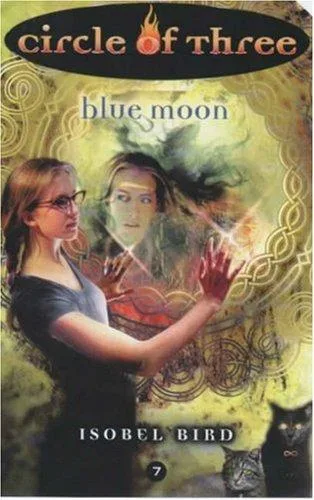
Circle of Three
 72
72

Circle of Three
Michael Thomas Ford’s "Circle of Three" attempts to capture the intimacy and complexity of a small coven, a subject often mythologized. The strength of the novel lies in its depiction of the interpersonal friction and affections that bind its core characters. Ford avoids sensationalism, grounding the magic in the characters' lived experiences and emotional states. However, the narrative occasionally falters in its pacing, with certain plot developments feeling somewhat abrupt. A particularly memorable passage involves the characters grappling with the subtle but significant shift in their group dynamic after a particular ritual, highlighting the delicate balance of power and trust. Ultimately, "Circle of Three" offers a grounded, if sometimes uneven, glimpse into the heart of a modern coven.
📝 Description
72
Michael Thomas Ford's 2001 novel "Circle of Three" examines the formation and dynamics of a modern witchcraft coven.
Published in 2001, "Circle of Three" follows a small group who form a magical circle. The narrative details their relationships and the consequences that arise from their shared practices. Ford uses this fictional setting to comment on the social and personal aspects of modern paganism and covens.
The book is suitable for readers interested in contemporary fiction that incorporates occult themes, particularly witchcraft and covens. It is not a practical guide but a character-driven story. Those who enjoy fiction that explores personal growth, friendship, and the difficulties of maintaining a spiritual or magical path will find this novel appealing. It speaks to readers seeking relatable characters as they develop their spiritual lives.
Released in 2001, "Circle of Three" arrived during a period of growing public interest in modern paganism and witchcraft. The novel's fictional portrayal of covens and their internal workings reflects and influences how these practices are perceived. It appeared after figures like Starhawk had established a presence, and new authors were beginning to examine the personal and societal dimensions of contemporary witchcraft.
💡 Why Read This Book?
• Gain insight into the interpersonal dynamics of a fictional coven, understanding how shared magical practice (as depicted in the novel's exploration of coven structure) can forge and test relationships. • Experience a narrative that explores the personal impact of embracing witchcraft, offering a character-focused perspective on commitment and consequence as seen through the trials of the main characters. • Understand the portrayal of modern pagan community formation, observing how a group of individuals in 2001 might form a magical circle and navigate its inherent challenges.
⭐ Reader Reviews
Honest opinions from readers who have explored this book.
❓ Frequently Asked Questions
What is the publication year of Michael Thomas Ford's 'Circle of Three'?
Michael Thomas Ford's novel 'Circle of Three' was first published in 2001. This places it within a period of increasing public awareness and fictional exploration of contemporary witchcraft.
Does 'Circle of Three' offer practical witchcraft instructions?
No, 'Circle of Three' is a work of fiction and does not provide practical instructions for performing spells or rituals. It focuses on the characters' experiences and relationships within a coven setting.
What are the main themes explored in 'Circle of Three'?
The novel primarily explores themes of friendship, personal growth, the dynamics within a coven, and the integration of magical practice into daily life, set against the backdrop of modern witchcraft.
Who are the main characters in 'Circle of Three'?
The central characters are typically depicted as members of a small coven, often a trio, whose individual journeys and collective bond form the core of the narrative. Specific names vary with editions or focus.
Is 'Circle of Three' considered a classic of modern occult fiction?
While 'Circle of Three' contributes to the genre of fiction exploring occult themes, its status as a 'classic' is subjective. It is recognized for its character-driven approach to witchcraft narratives.
Where does the story of 'Circle of Three' take place?
The specific setting is not always emphasized as a primary element, but the narrative typically unfolds in contemporary, relatable environments that highlight the characters' everyday lives alongside their magical pursuits.
🔮 Key Themes & Symbolism
Coven Dynamics
The novel meticulously examines the intricate web of relationships within a small coven. It moves beyond simplistic portrayals to explore the blend of intimacy, conflict, loyalty, and personal ambition that characterizes such a group. The formation of the 'circle' itself is presented not just as a ritualistic necessity but as a powerful social construct shaping individual identities and collective purpose. Ford illustrates how shared belief and practice can forge deep bonds, while also highlighting the potential for misunderstanding and friction when personal desires intersect with group commitments.
Personal Transformation Through Practice
A central theme is the transformative power of engaging with magical traditions. The characters in 'Circle of Three' begin journeys of self-discovery, often spurred by their involvement in the coven and its practices. The narrative suggests that embracing a spiritual path, particularly one involving esoteric arts, can lead to profound personal shifts. This transformation is not always smooth; it involves confronting personal limitations, making difficult choices, and integrating newfound aspects of the self into one's everyday existence, as seen in the characters' evolving worldviews.
The Nature of Modern Witchcraft
Ford's work offers a fictional perspective on what modern witchcraft might entail for its practitioners, moving away from sensationalized stereotypes. It presents witchcraft as a practice that can be personal, communal, and deeply integrated into contemporary life. The novel touches upon the idea of covens as chosen families and the ways in which individuals might seek spiritual fulfillment outside mainstream religious structures. It reflects a nuanced view of the craft, emphasizing intention, relationship, and personal experience.
Secrecy and Revelation
The interplay between the private world of the coven and the public sphere is a recurring motif. Characters often work through the challenges of maintaining their spiritual or magical affiliations discreetly, balancing the desire for personal expression with the need for social integration or privacy. The narrative explores how secrets, whether personal or related to their practice, can affect relationships and individual choices. This theme underscores the personal commitment required to live a life that embraces esoteric elements.
💬 Memorable Quotes
Direct passages from the work, attributed to the author.
“The circle wasn't just the space they occupied; it was the space between them.”
— This highlights the idea that a coven's power and connection extend beyond physical proximity, emphasizing the energetic and emotional bonds shared by its members.
“Every ritual left a mark, even the ones that felt like nothing.”
— This concept implies that magical workings, however subtle their perceived impact, have cumulative effects on the practitioners and their environment, shaping them over time.
“The outside world saw magic as a performance; they knew it was a conversation.”
— This contrast suggests that external perceptions often misunderstand the intimate, responsive nature of true magical practice, which is more about dialogue and connection than spectacle.
💡 Key Ideas
Editorial paraphrase of the work's core concepts — not direct quotes.
Learning the craft meant learning yourself, and that was the harder path.
This paraphrase suggests that the true challenge of esoteric practice lies not in mastering external techniques but in the internal work of self-understanding and personal development.
They were bound by more than just spells; they were bound by shared intentions.
This paraphrase emphasizes that the core of a magical group's strength comes from collective purpose and mutual agreement, rather than just the performance of magical acts.
🌙 Esoteric Significance
Tradition
While "Circle of Three" is a work of fiction, it engages with themes prevalent in modern Western Esotericism, particularly within contemporary witchcraft traditions. It draws on the concept of the coven as a primary organizing unit, a structure found in various neo-pagan paths that emerged significantly in the mid-20th century. The novel reflects a departure from older, more hierarchical magical orders, focusing instead on egalitarian, relationship-based magical practice.
Symbolism
The most prominent symbol is the "circle" itself, representing not only a sacred space for ritual but also unity, wholeness, and the interconnectedness of the coven members. The number "three" in the title can symbolize various triads within esoteric traditions, such as maiden-mother-crone, or the balance of mind-body-spirit, suggesting a foundational or balanced magical grouping.
Modern Relevance
Contemporary practitioners of witchcraft and those interested in community-based spiritual paths can find resonance in Ford's depiction of coven dynamics. The novel's exploration of personal growth through spiritual practice continues to be relevant for individuals seeking meaningful connections and self-discovery outside traditional religious frameworks.
👥 Who Should Read This Book
• Readers interested in contemporary witchcraft fiction: Those seeking character-driven narratives that explore the personal lives and relationships within a fictional coven. • Students of modern paganism: Individuals looking for fictional accounts that touch upon the social and relational aspects of forming and maintaining a magical group. • Fans of character-focused esoteric literature: Readers who appreciate stories where personal development and interpersonal dynamics are central to exploring spiritual or magical themes.
📜 Historical Context
Published in 2001, "Circle of Three" emerged during a period of growing popular interest in contemporary witchcraft and paganism, partly influenced by the burgeoning internet and earlier influential figures like Margot Adler and Starhawk. The late 20th and early 21st centuries saw a diversification of esoteric thought, with modern covens becoming more visible, though often still misunderstood. Ford's novel contributed to this cultural landscape by presenting a fictionalized, character-driven account of coven life, focusing on interpersonal relationships and personal journeys rather than dogmatic exposition. It appeared at a time when fiction was increasingly used to explore these themes, offering an alternative to purely academic or instructional texts. While not directly engaging with the academic discourse of the time, its fictional explorations likely resonated with a public curious about the reality behind the myths surrounding witchcraft, contrasting with more sensationalist media portrayals.
📔 Journal Prompts
The formation of the coven in "Circle of Three": What personal needs did it fulfill for each member?
Reflect on the significance of the 'circle' as a symbol of connection and shared intent.
Analyze the balance between personal desire and group commitment as depicted in the narrative.
Consider the journey of self-discovery undertaken by the characters through their magical practice.
How might the concept of a 'chosen family' relate to the coven structure presented?
🗂️ Glossary
Coven
A group of witches or covens, typically numbering around thirteen members or fewer, who meet for ritual and magical practice. In modern witchcraft, covens often function as chosen families.
Witchcraft
A broad term encompassing various spiritual and magical practices, often focused on nature, personal empowerment, and the performance of rituals. Modern witchcraft is diverse, with many distinct traditions.
Ritual
A set of actions performed according to a prescribed order, often for religious or magical purposes. In witchcraft, rituals are used to focus intent, connect with energies, and manifest change.
Esoteric
Relating to or being knowledge or understanding that is limited to a small group of people with a specialized background or interest. Often involves mystical or occult teachings.
The Craft
A colloquial term often used by practitioners to refer to the practice of witchcraft or Wicca, emphasizing its practical and personal nature.
Magical Practice
The deliberate application of belief, intention, and action to influence events or personal states of being, often involving symbolic actions or rituals.
Neo-paganism
A broad category of modern religious movements that draw inspiration from historical pagan religions. Contemporary witchcraft is often considered a form of Neo-paganism.
🔮 Readers Also Liked
Browse all →








More by Michael Thomas Ford
All books →


More Free Witchcraft & Paganism Books
View all →