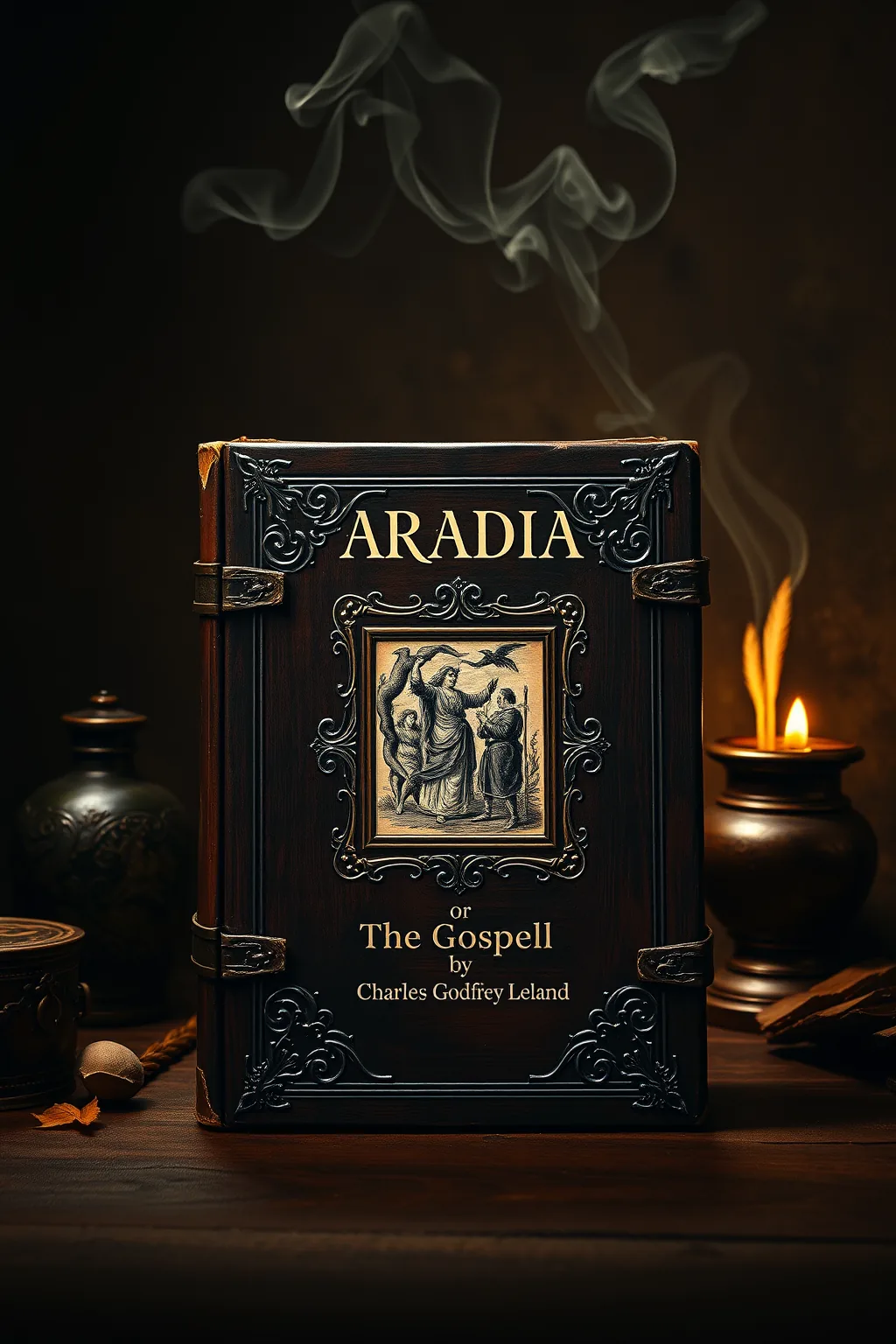
Aradia, or, The Gospel of the witches
 74
74

Aradia, or, The Gospel of the witches

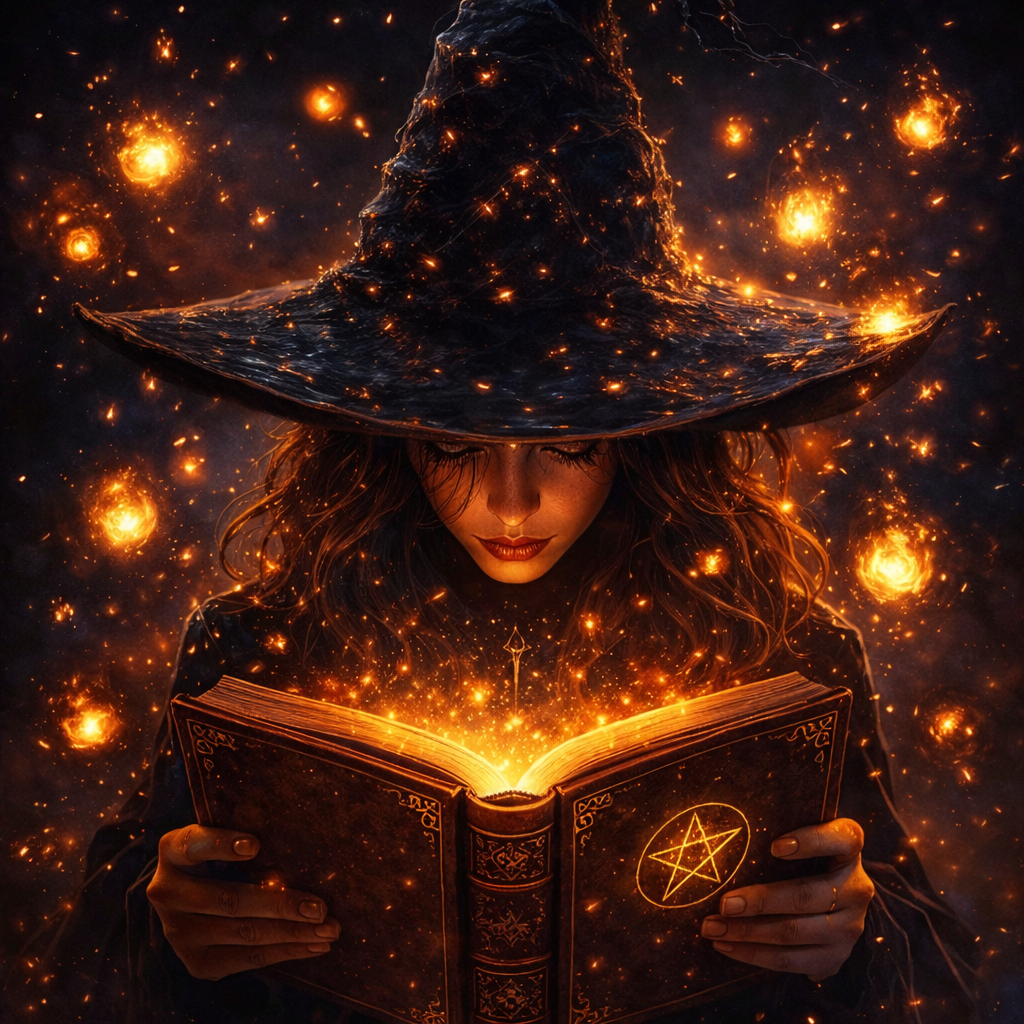

Aradia, or, The Gospel of the Witches by Charles Godfrey Leland is a seminal work in the realm of esoteric literature, particularly for those interested in witchcraft and paganism. Published in 1899, this book offers a unique and compelling look into the practices and beliefs of Italian witchcraft, drawing from the author's extensive research and interviews. Leland's narrative is both engaging and informative, providing readers with a rich tapestry of folklore, spells, and rituals that have been preserved through generations. The book's exploration of the divine feminine, embodied in the goddess Aradia, is particularly noteworthy, as it challenges traditional patriarchal narratives and celebrates the power of women. For modern esoteric seekers, Aradia serves as an essential text, offering insights into ancient practices that continue to influence contemporary spiritual paths. While some critics have questioned the authenticity of Leland's sources, the book's enduring popularity and influence cannot be denied. It remains a valuable resource for anyone interested in the history and practice of witchcraft.
📝 Description
74
Charles Godfrey Leland published 'Aradia, or, The Gospel of the Witches' in 1899, claiming it documented Italian Stregheria.
Charles Godfrey Leland's 1899 book, 'Aradia, or, The Gospel of the Witches,' presents itself as a record of Italian witchcraft traditions. Leland stated he compiled the text from a manuscript written by a woman named Aradia, purportedly a descendant of Diana and an instructor of witches. The book contains a collection of spells, incantations, and mythological narratives. It describes rituals related to love, protection, and curses, as well as beliefs about the origins of witchcraft and the roles of various deities. The text emphasizes a connection to nature and a pantheon that includes Diana, Lucifer, and other figures. Leland's work aimed to preserve what he believed were authentic, pre-Christian folk practices.
This compilation offers a glimpse into a specific interpretation of folk magic, distinct from later ceremonial or neopagan movements. It details a system of beliefs and practices purportedly passed down through oral tradition in Italy. The narratives within the book often center on Aradia herself, portraying her as a divine figure who came to Earth to teach humanity the ways of witchcraft and to liberate the oppressed. The spells and rituals described are practical, often involving simple ingredients and focused intentions. The book's unique voice and its claims about direct transmission from a witch's manuscript have made it a subject of interest for those studying witchcraft history and folklore.
Published in the late 19th century, 'Aradia' emerged during a period of intense interest in occultism and folklore across Europe. Leland's text tapped into a fascination with hidden traditions and ancient practices, positioning itself as an authentic record of Italian folk magic. It stands alongside other works of the era that sought to document or reconstruct pre-Christian spiritual beliefs, often with a romanticized view of the past. The book's influence can be seen in later witchcraft revivals, where its contents were adopted and adapted by various pagan and neopagan practitioners seeking historical roots and ritual material.
💡 Why Read This Book?
Reading Aradia, or, The Gospel of the Witches today offers readers a profound connection to ancient traditions and practices that have shaped modern witchcraft and paganism. This book provides a detailed exploration of Italian witchcraft, including rituals, spells, and the veneration of the goddess Aradia. For those interested in the divine feminine and the preservation of ancient knowledge, Aradia is an invaluable resource. It challenges conventional narratives and offers a fresh perspective on the role of women in spiritual practices. Whether you are a seasoned practitioner or a curious newcomer, this book will enrich your understanding of esoteric traditions and inspire your spiritual journey.
⭐ Reader Reviews
Honest opinions from readers who have explored this book.
❓ Frequently Asked Questions
What is the main focus of Aradia, or, The Gospel of the Witches?
The main focus of Aradia is the exploration of Italian witchcraft, including its rituals, spells, and the veneration of the goddess Aradia. It delves into ancient pagan traditions and the preservation of these practices through generations.
Is this book suitable for beginners in witchcraft and paganism?
Yes, Aradia is suitable for both beginners and experienced practitioners. It provides a comprehensive overview of Italian witchcraft, making it an excellent starting point for those new to the subject, while also offering deep insights for those already familiar with esoteric traditions.
What makes Aradia a foundational text in modern Witchcraft and Neopaganism?
Aradia is considered foundational because it offers a detailed and authentic look into ancient witchcraft practices, which have significantly influenced contemporary spiritual paths. Its exploration of the divine feminine and the preservation of ancient knowledge makes it a valuable resource for modern seekers.
🔮 Key Themes & Symbolism
The Divine Feminine
This book delves deeply into the worship of the goddess Diana, exploring the divine feminine and her role in ancient witchcraft. Diana is depicted as a symbol of empowerment and mysticism, embodying the hidden knowledge and rituals passed down through generations.
Ancient Rituals and Symbolism
Leland's work is rich with descriptions of ancient rituals, chants, and symbols, offering readers a glimpse into the mystical practices of the past. These rituals are imbued with deep esoteric meaning, providing a pathway to spiritual enlightenment.
Hidden Knowledge and Esoteric Wisdom
The book is a valuable collection of hidden knowledge and esoteric wisdom, revealing the secret traditions and beliefs of ancient witchcraft. It invites readers to explore the boundaries between the seen and unseen, uncovering the profound philosophical significance of these mystical practices.
💬 Memorable Quotes
Direct passages from the work, attributed to the author.
“Diana, Che, and Possa, thee Goddess, I adore thee.”
— This invocation highlights the reverence for the goddess Diana, embodying the divine feminine and the mystical power of ancient witchcraft.
“The old religion of the witchcraft is the old religion of the world.”
— This statement underscores the enduring significance of ancient witchcraft practices, connecting them to the timeless traditions of the divine feminine.
💡 Key Ideas
Editorial paraphrase of the work's core concepts — not direct quotes.
Thy name is Diana, Queen of Heaven, Goddess of the Moon, and Mistress of the Witches.
This quote emphasizes Diana's role as a central figure in the worship of ancient witchcraft, symbolizing empowerment and mysticism.
The witches of Italy have preserved the old religion in its purity.
This quote highlights the preservation of ancient witchcraft traditions in Italy, offering a glimpse into the rich heritage of esoteric wisdom.
The old religion is the religion of nature, and nature is eternal.
This quote emphasizes the timelessness of ancient witchcraft, rooted in the natural world and the divine feminine.
🌙 Esoteric Significance
Tradition
This book belongs to the tradition of Hermetic and Gnostic wisdom, drawing on ancient mystical practices and the worship of the divine feminine. It explores the hidden knowledge and symbolism of witchcraft, offering readers a pathway to spiritual enlightenment.
Symbolism
Key symbols in the book include the goddess Diana, representing the divine feminine and empowerment, and the rituals and chants that embody the mystical traditions of ancient witchcraft. These symbols are imbued with deep esoteric meaning, inviting readers to explore the boundaries between the seen and unseen.
Modern Relevance
This book remains relevant today for modern practitioners of paganism and seekers of esoteric wisdom. It provides a rich source of ancient rituals and symbolism, inspiring contemporary explorations of the divine feminine and the mystical traditions of the past.
👥 Who Should Read This Book
Beginners interested in the occult should approach this book with some prior knowledge of esoteric traditions. Scholars of occult studies will find it an invaluable resource for understanding the mystical practices of the past. Spiritual seekers will be drawn to the profound philosophical insights and the deep connection to the divine feminine. Practitioners of modern paganism will appreciate the strong symbolism and hidden knowledge, using it to enrich their own spiritual practices.
📜 Historical Context
Published in 1899, 'Aradia, or, The Gospel of the Witches' emerged during a time of great interest in the occult and esoteric traditions. Leland's work was influential in reviving and preserving the ancient practices of witchcraft, which had long been suppressed and misunderstood. The book's detailed accounts of rituals, chants, and beliefs provided a rare glimpse into the mystical world of the past, inspiring modern practitioners and scholars to explore the depths of esoteric wisdom.
📔 Journal Prompts
Reflect on the significance of the goddess Diana in ancient witchcraft and how her symbolism speaks to you.
Consider the role of ancient rituals and chants in connecting with the divine feminine.
Explore the hidden knowledge and esoteric wisdom presented in the book and how it might apply to your own spiritual journey.
Think about the enduring relevance of ancient witchcraft practices in the modern world.
Write about your personal experiences with the divine feminine and how they relate to the themes in the book.
🗂️ Glossary
Diana
The goddess Diana is a central figure in ancient witchcraft, symbolizing the divine feminine, empowerment, and mysticism.
Old Religion
Refers to the ancient practices and beliefs of witchcraft, which have been preserved and passed down through generations.
Esoteric Wisdom
Hidden knowledge and mystical traditions that are revealed through the study of ancient witchcraft and occult practices.
Rituals and Chants
The sacred practices and invocations used in ancient witchcraft to connect with the divine and the mystical world.
Divine Feminine
The worship and reverence for the feminine aspect of the divine, embodied in the goddess Diana and her followers.
This book appears in 2 collections
🔮 Readers Also Liked
Browse all →


![An answer of a letter from a gentleman in Fife, to a nobleman, containing a brief acccount [sic] of the barbarous and illegal treatment, these poor women accused of witchcraft, met with from the baillies of Pittenweem and others, ... To which is adde](/img/thumb/an-answer-of-a-letter-from-a-gentleman-in-fife-to-a-nobleman-containing-a-brief-acccount-sic-of-the-barbarous-and-illegal-treatment-these-poor-women-accused-of-witchcraft-met-with-from-the-baillies-of.webp)


More by Charles Godfrey Leland
All books →





From the “Witchcraft” Collection
View all →



More Free Witchcraft & Paganism Books
View all →