England's First Demonologist
 72
72

England's First Demonologist
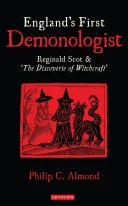
Philip C. Almond’s "England's First Demonologist" offers a sharp, focused examination of Reginald Scot's *The Discoverie of Witchcraft*. Almond correctly identifies Scot not as a proto-scientist in the modern sense, but as a product of his own time, using intellectual tools available then to question widespread beliefs. The strength here lies in Almond’s meticulous contextualization of Scot’s 1584 text within the intense witch-hunting atmosphere of late Elizabethan England, particularly contrasting it with the later, more orthodox *Daemonologie* of James VI. The limitation, perhaps inherent in focusing on a single text's impact, is a slight under-exploration of how Scot’s ideas might have circulated or been suppressed beyond the immediate royal reaction. Almond’s discussion of Scot’s rationalization of “demonic” encounters as misinterpretations or natural phenomena, rather than supernatural events, remains a compelling point. The work serves as a vital reminder that skepticism has a long, often embattled, history. Almond’s analysis provides a clear window into an intellectual dissent that dared to question the devil's ubiquity.
📝 Description
72
Philip C. Almond's 2009 book analyzes Reginald Scot's 1584 challenge to witchcraft beliefs.
Philip C. Almond's "England's First Demonologist" scrutinizes Reginald Scot's 1584 publication, *The Discoverie of Witchcraft*. This work is not simply a historical survey; it is a close reading of Scot's arguments against the common understanding of witchcraft and possession. Almond places Scot's book within the turbulent intellectual and religious climate of late 16th-century England, a time marked by intense fear and numerous executions for alleged witchcraft.
Almond reconstructs the milieu in which Scot wrote. The late 1500s saw widespread fear of witchcraft, a climate intensified by figures like King James VI of Scotland, author of *Daemonologie*. Scot's *Discoverie* directly opposed this hysteria, questioning contemporary ideas about demonic influence and folk magic. Its appearance in 1584, before James VI ascended the English throne and published his own text, represented a significant early dissent against supernatural explanations.
The book examines Scot's refutations of witchcraft's physical reality, his rational accounts for supposedly supernatural events, and his critique of the legal and theological bases for witch trials. Almond highlights Scot's use of empirical observation and classical texts to debunk claims of demonic activity. The reception of Scot's work, including King James VI's reported anger, is also discussed, underscoring how controversial it was to question established beliefs.
While Reginald Scot's *Discoverie of Witchcraft* was a rationalist text, its context is the flourishing of occult and magical thought in the Renaissance. This era saw widespread belief in astrology, alchemy, and various forms of magic alongside demonology. Scot's work stood against this tide, using reason and classical learning to counter supernatural claims. Almond's study situates this resistance within the broader intellectual currents of the time, showing how a skeptical voice emerged even as esoteric traditions remained strong.
💡 Why Read This Book?
• Understand the historical roots of skepticism by examining Reginald Scot's 1584 challenge to widespread witchcraft beliefs, a foundational moment in English intellectual history. • Grasp the specific socio-political climate of late 16th-century England, including the threat posed by figures like King James VI and his *Daemonologie*, which Scot's work preempted. • Explore Scot's method of debunking supernatural claims, which relied on rational explanations and empirical observation, offering insight into early modern critical thinking.
⭐ Reader Reviews
Honest opinions from readers who have explored this book.
❓ Frequently Asked Questions
Who was Reginald Scot and why is his book significant?
Reginald Scot authored *The Discoverie of Witchcraft* in 1584, England's first major treatise on demonology and witchcraft. It was significant for its skeptical stance, challenging prevailing beliefs and offering rational explanations for alleged supernatural events, predating King James VI's more orthodox *Daemonologie*.
What historical period does Philip C. Almond's book cover?
Almond's work focuses on the late 16th century, specifically the intellectual and religious climate in England surrounding the publication of Reginald Scot's *The Discoverie of Witchcraft* in 1584.
Did King James VI react to Reginald Scot's work?
The book suggests King James VI of Scotland was deeply angered by Scot's skeptical *Discoverie of Witchcraft*. This reaction is often cited as a catalyst for James's own later publication, *Daemonologie*, which supported the reality of witchcraft.
What were the main arguments in Scot's *The Discoverie of Witchcraft*?
Scot argued against the literal existence of witches and demons, proposing natural explanations for phenomena attributed to magic. He critiqued the legal and theological foundations of witch trials, advocating for reason over superstition.
How does Almond's book relate to the history of demonology?
Almond's study positions Scot's work as a crucial, early counter-narrative in the history of demonology. It highlights a significant moment when established beliefs about the supernatural were first systematically challenged in print in England.
What is the 'Esoteric' category for this book?
While primarily historical and critical, the book falls into 'Esoteric' due to its deep dive into demonology, witchcraft, and the occult beliefs prevalent in the 16th century, exploring the fringes of accepted knowledge and belief systems of the time.
🔮 Key Themes & Symbolism
Skepticism and Rationalism
This theme examines Reginald Scot's pioneering use of rational inquiry and empirical observation to question the prevailing beliefs in witchcraft and demonic possession prevalent in late 16th-century England. Almond details how Scot sought naturalistic explanations for phenomena commonly attributed to supernatural forces, challenging the dogma that fueled witch trials. The work highlights Scot's intellectual courage in presenting a dissenting view during an era of intense fear and superstition.
The History of Witchcraft Beliefs
The book provides critical historical context for the intense fear of witchcraft in Elizabethan England. It analyzes the cultural and religious factors that contributed to the widespread belief in demonic influence and the persecution of individuals accused of practicing magic. Almond situates Scot's *The Discoverie of Witchcraft* as an important text that directly confronted and attempted to dismantle these deeply ingrained superstitions.
Intellectual Dissent and Reception
A central theme is the reception of Scot's radical ideas. Almond explores how a work challenging such fundamental beliefs was perceived, particularly by influential figures like King James VI of Scotland. This theme studies the intellectual battles of the era, where questioning established dogma, especially concerning the supernatural, carried significant risks and sparked considerable controversy.
Early Modern Demonology
This theme focuses on the academic and popular understanding of demons and their influence during the 16th century. Almond dissects the discourse surrounding demonology, contrasting Scot's demystification efforts with the more conventional views presented in contemporary texts and theological arguments. It reveals how *The Discoverie of Witchcraft* offered an alternative perspective on the nature and operation of perceived evil forces.
💬 Memorable Quotes
Direct passages from the work, attributed to the author.
“Scot's work was unashamedly sceptical.”
— This concise description highlights the radical nature of Scot's *The Discoverie of Witchcraft*. It emphasizes that his skepticism was not tentative but a direct, overt challenge to the established beliefs and fears surrounding witchcraft in his time.
“King James VI of Scotland was outraged by Scot's disbelieving nature.”
— This highlights the significant opposition Scot's work faced from powerful figures. It underscores the intellectual and political stakes involved in challenging the prevailing narrative about witchcraft and demonic influence during the period.
“Almond details Scot's rational explanations for alleged supernatural events.”
— This points to the core methodology of Scot's *Discoverie*. It signifies his attempt to clarify perceived magic and demonic activity by attributing them to natural causes, psychological phenomena, or trickery, rather than supernatural intervention.
“The book predates James VI's *Daemonologie*.”
— This chronological fact emphasizes Scot's pioneering role. By publishing his skeptical treatise in 1584, Scot presented a counter-argument to demonological beliefs before they were further codified and promoted by influential figures like King James VI.
💡 Key Ideas
Editorial paraphrase of the work's core concepts — not direct quotes.
The fables of witchcraft have taken so fast hold and deepe root in the heart of man, that few or none can indure with patience the hand and correction of God.
This quote from Reginald Scot, as presented by Almond, captures the pervasive nature of superstition and fear regarding witchcraft in the 16th century. It suggests that belief in witchcraft was so ingrained that it overshadowed rational thought and even religious acceptance.
🌙 Esoteric Significance
Tradition
While not strictly within a defined esoteric lineage like Hermeticism or Kabbalah, Scot's work represents a critical juncture in Western thought that profoundly impacted later esoteric traditions. By dissecting and rationalizing phenomena previously relegated to demonic influence, Scot inadvertently cleared intellectual space for alternative interpretations of consciousness, perception, and hidden forces. His work serves as a crucial precursor to later attempts to understand the mind and the unseen world through psychological or philosophical lenses, rather than purely theological ones.
Symbolism
The primary 'symbol' Scot engages with is the 'witch' herself, whom he attempts to clarify, stripping away the supernatural connotations. The book implicitly deconstructs the symbolic power attributed to demonic pacts and magical rituals, reframing them as psychological delusions, natural occurrences, or deliberate deceptions. By challenging the symbolic weight of these concepts, Scot sought to dismantle the fear they engendered, returning perceived 'magic' to the field of the mundane and the explainable.
Modern Relevance
Modern critical thinking, forensic psychology, and even certain branches of paranormal investigation owe an indirect debt to Scot's early rationalism. His approach to questioning extraordinary claims and seeking naturalistic explanations continues to inform skeptical inquiry today. Thinkers and researchers who seek to understand anomalous experiences or historical belief systems without resorting to supernatural explanations often echo Scot's foundational skepticism, making his work a touchstone for debunking and critical analysis.
👥 Who Should Read This Book
• Historians of early modern England and Europe interested in the social and intellectual history of witchcraft and demonology. • Students of comparative religion and folklore seeking to understand the evolution of beliefs about the supernatural and magic. • Skeptics and critical thinkers interested in the historical roots of rational inquiry and the debunking of superstition.
📜 Historical Context
Philip C. Almond's "England's First Demonologist" situates Reginald Scot's *The Discoverie of Witchcraft* (1584) within a period of intense religious upheaval and widespread fear of the supernatural in England. The late 16th century was marked by burgeoning anxieties about witchcraft, often fueled by Calvinist doctrines and anxieties about social order. Scot's work emerged as a striking counterpoint to this prevailing hysteria. It directly challenged the foundations of demonological belief, offering rational explanations for phenomena attributed to witchcraft, thus questioning the very basis of the witch trials that were becoming increasingly common. This intellectual stance placed Scot at odds with powerful figures, notably King James VI of Scotland, who himself would later author the more orthodox *Daemonologie* (1597), a text that reinforced belief in witchcraft. Scot's 1584 publication thus represents a significant, early instance of intellectual dissent against a widely accepted, deeply feared, and often violently enforced belief system.
📔 Journal Prompts
Reginald Scot's critique of witchcraft accusations.
The impact of King James VI's reaction to Scot's skepticism.
Examining Scot's rational explanations for supernatural events.
The societal fear of witchcraft in the 1580s.
Comparing Scot's approach to later demonological texts.
🗂️ Glossary
Demonology
The study of demons or beliefs about demons. In the context of Scot's time, it involved understanding the nature, hierarchy, and influence of demonic entities on the human world.
Witchcraft
The practice of magic, often associated with malevolent intent and demonic pacts, believed to be carried out by individuals known as witches. It was a widespread fear in early modern Europe.
Skepticism
An attitude of doubt towards claims or beliefs, particularly those lacking empirical evidence or logical consistency. Scot's work is noted for its early form of skepticism regarding supernatural phenomena.
The Discoverie of Witchcraft
Reginald Scot's influential book published in 1584, which challenged prevailing beliefs about witchcraft and offered rational explanations for alleged magical practices.
Daemonologie
A treatise written by King James VI of Scotland, published in 1597, which supported the existence of witchcraft and detailed beliefs about demons and their activities.
Empirical Observation
The process of gathering information through the senses or by using scientific instruments. Scot employed this method to question supernatural claims.
Superstition
Excessively credulous belief in and reverence for the supernatural. Scot's work aimed to combat the widespread superstitions surrounding witchcraft.











![John Todd [Illuminati And Witchcraft Exposed].pdf (PDFy mirror)](/img/thumb/john-todd-illuminati-and-witchcraft-exposed-pdf-pdfy-mirror.webp)
