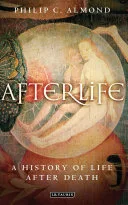
Afterlife
 83
83

Afterlife
Philip C. Almond's "Afterlife" presents a scholarly survey of humanity's persistent obsession with post-mortem existence. The work's strength lies in its broad chronological and cultural sweep, connecting ancient Greek mythology with later theological developments. Almond avoids sensationalism, instead offering a grounded exploration of how different societies have conceptualized what follows death. A particularly vivid section describes the journey to the Styx, a potent symbol of transition. However, the sheer breadth can sometimes feel encyclopedic, occasionally sacrificing deeper dives into individual belief systems for the sake of comprehensive coverage. The book's limitation is its academic distance; it informs but rarely seeks to evoke the emotional weight these beliefs carry for many. Almond's "Afterlife" is a valuable compendium for understanding the historical evolution of a fundamental human preoccupation.
📝 Description
83
Philip C. Almond's 2016 book examines humanity's persistent fascination with existence beyond death.
Philip C. Almond's "Afterlife" traces humanity's enduring interest in what comes after death. The book moves through different cultures and time periods, starting with old mythologies and continuing through theological arguments. It looks at the psychological and philosophical reasons behind our feelings about dying. Almond surveys a wide range of ideas about what happens when life ends, from ancient Greek beliefs about Hades and the river Styx to later philosophical views. He connects modern ideas about the afterlife to a long history of thought, considering the ongoing discussion between religious faith and secular doubt since the Enlightenment. The book considers how stories and myths shape these ideas, from figures like the ferryman Charon to complex religious systems. It also touches on the human need for meaning and structure in the face of mortality, looking at beliefs that include both rewards and punishments.
This work engages with the long-standing human tradition of contemplating existence beyond corporeal life. It situates these inquiries within academic discourse, acknowledging the historical tension between religious frameworks and skeptical viewpoints. The book examines how diverse societies have constructed narratives and doctrines to address fundamental questions of mortality, judgment, and continuation, reflecting a persistent aspect of human spiritual and philosophical thought.
💡 Why Read This Book?
• Understand the evolution of afterlife beliefs from ancient Greek mythology, specifically referencing the journey across the Styx with Charon, to later theological frameworks, gaining a historical perspective unmatched by contemporary religious texts alone. • Explore the psychological impetus behind the fear and hope surrounding death, as detailed by Almond's analysis of human yearning for "continuance beyond the horizon of mortality" since antiquity. • Gain insight into how diverse cultures have grappled with concepts of torment and delight in the afterlife, providing a comparative religious and philosophical lens distinct from singular doctrinal studies.
⭐ Reader Reviews
Honest opinions from readers who have explored this book.
❓ Frequently Asked Questions
What is the historical origin of the Styx ferryman mentioned in "Afterlife"?
The figure of Charon, the ferryman of the dead, originates in ancient Greek mythology. Philip C. Almond discusses him as a key symbol of passage into the underworld, a concept prevalent in classical antiquity.
When was Philip C. Almond's "Afterlife" first published?
Philip C. Almond's "Afterlife" was first published on May 26, 2016. This places its academic discourse within the 21st-century academic landscape of religious studies and cultural history.
Does "Afterlife" focus on a specific religion's view of the afterlife?
No, "Afterlife" takes a comparative approach, examining beliefs across various cultures and historical periods, from ancient myths to later theological and philosophical discussions, rather than focusing on a single religion.
What does Almond mean by 'continuance beyond the horizon of mortality'?
This phrase refers to the persistent human hope and fear regarding existence after physical death. Almond explores how this concept has manifested across different societies and throughout history.
Is "Afterlife" a theological text or a historical one?
It functions primarily as a historical and cultural examination of afterlife beliefs, drawing on mythology, theology, and philosophy. While it discusses theological concepts, its approach is academic and comparative.
What is the significance of the gold obol in ancient afterlife beliefs discussed in the book?
The gold obol was a coin placed in the mouth or on the tongue of the deceased in ancient Greece. It served as payment for Charon to ferry the soul across the river Styx into the underworld.
🔮 Key Themes & Symbolism
The Human Yearning for Continuance
The core of "Afterlife" lies in its exploration of the persistent human desire to believe in some form of existence beyond physical death. This yearning, often tinged with fear, spans cultures and millennia. Almond illustrates how this fundamental impulse shapes mythologies, religious doctrines, and philosophical inquiries, demonstrating a deep-seated need to confront or transcend mortality's perceived finality. The book traces this through various historical periods, highlighting it as a constant thread in the human experience.
Mythological Transitions
Almond vividly portrays the symbolic landscapes of transition, most notably referencing the journey across the river Styx with the ferryman Charon. This imagery, rooted in ancient Greek cosmology, serves as a powerful metaphor for the passage from life to whatever follows. The book examines how such narratives provide frameworks for understanding death, offering both structure and solace in the face of the unknown, and how these archetypal journeys have evolved or persisted across different belief systems.
Duality of Afterlife Concepts
A significant theme is the pervasive dualism in afterlife beliefs: domains of torment contrasted with visions of delight. "Afterlife" surveys how different traditions have conceptualized these extremes, from infernal punishments to paradisiacal rewards. This exploration highlights the moral and theological implications inherent in these visions, reflecting societal values and anxieties about judgment, redemption, and the ultimate fate of the soul. The book presents this spectrum as a universal aspect of humanity's engagement with mortality.
Historical Evolution of Belief
The book meticulously traces the historical trajectory of afterlife ideas. Almond connects early mythological concepts with the development of more complex theological doctrines, particularly within Christianity, and later philosophical reinterpretations. This chronological analysis reveals how societal, intellectual, and religious shifts have influenced and reshaped understandings of what happens after death. The 2016 publication date situates this historical survey within contemporary academic discourse on religion and culture.
💬 Memorable Quotes
Direct passages from the work, attributed to the author.
“For in that sleep of death what dreams may come?”
— This is a direct quote from Shakespeare's Hamlet, used by Almond to encapsulate the profound uncertainty and potential for the unknown that accompanies the contemplation of death and the afterlife.
“The end of life has never meant the extinction of hope.”
— This statement underscores Almond's central thesis: that despite the finality of physical death, humanity consistently holds onto a belief in some form of continued existence, driven by hope and a desire for meaning.
“People perpetually have yearned for, and often been terrified by, continuance beyond the horizon of mortality.”
— This captures the dual nature of human response to the concept of an afterlife. Almond explores both the comforting possibilities and the fearful implications of beliefs about existence after death.
“He travels to the banks of the Styx, where Charon the grizzled boatman ferries a departing spirit across the river only if a gold obol is first placed for...”
— This evocative passage from the original blurb, likely referencing a section in Almond's book, highlights the specific mythological imagery used to represent the transition into the underworld, emphasizing ritual and payment for passage.
“Ranging across time and space, Philip Almond here takes his readers on a remarkable journey to worlds both of torment and delight.”
— This summary from the blurb indicates the book's expansive scope, promising an exploration of the contrasting visions of the afterlife that have been conceived throughout human history and across different cultures.
🌙 Esoteric Significance
Tradition
While "Afterlife" is primarily a work of comparative religious and cultural history, its deep dive into mythological passages like the Styx and the concept of varied post-mortem realms appeals to themes found in Hermeticism and Gnosticism. These traditions often emphasize journeys of the soul through different planes or spiritual landscapes after death, and the book's exploration of both 'torment and delight' can be seen as mapping out conceptual spaces that esoteric practitioners might interpret symbolically.
Symbolism
The journey across the river Styx, guided by Charon, is a potent symbol of transition and the necessity of payment or ritual for passage into the unknown. The 'gold obol' represents a material component for spiritual movement, common in many magical and esoteric traditions. Visions of 'torment and delight' can be interpreted as symbolic representations of karmic consequences, spiritual purification processes, or the varied states of consciousness the soul might experience.
Modern Relevance
Contemporary esoteric thought, particularly in Western esotericism and comparative spirituality circles, continues to explore concepts of the soul's journey and the nature of consciousness beyond the physical body. Almond's work provides historical and cross-cultural context for these discussions, offering a broad survey of how such ideas have been conceptualized. Thinkers exploring consciousness studies, near-death experiences, and astral projection may find the historical breadth of "Afterlife" useful for grounding their investigations within a wider human narrative.
👥 Who Should Read This Book
• Students of Comparative Religion and Mythology: Gain a comprehensive historical overview of afterlife concepts across diverse cultures, from ancient Greece to later theological developments. • Philosophical Inquirers: Explore the enduring human fascination with mortality and the beyond, understanding the psychological and philosophical underpinnings of hope and fear surrounding death. • Cultural Historians: Analyze how societal structures, beliefs, and anxieties have shaped narratives of existence after death throughout different epochs and geographical regions.
📜 Historical Context
Philip C. Almond's "Afterlife," published in 2016, emerges within a robust academic field of religious studies and cultural history. It engages with a long scholarly tradition examining eschatology, building upon works that have explored the evolution of afterlife beliefs from antiquity through the medieval period and into modern theological discourse. The book implicitly contrasts with purely secular or materialist viewpoints that gained prominence since the Enlightenment, offering a counterpoint by detailing the enduring power of non-corporeal existence concepts. Almond's work situates itself in dialogue with scholars like Mircea Eliade, who explored universal religious myths, and comparative mythologists who trace archetypal patterns across cultures. While not overtly engaging with specific censorship debates, the exploration of widespread afterlife beliefs touches upon enduring societal frameworks that have often been challenged by scientific rationalism.
📔 Journal Prompts
The concept of 'continuance beyond the horizon of mortality' as depicted across different eras.
The symbolic significance of Charon and the journey across the Styx in your personal understanding of transition.
Reflect on the dual nature of afterlife visions: domains of torment versus delight.
Analyze how the 'gold obol' payment for passage reflects broader themes of ritual and exchange in spiritual beliefs.
Consider the persistent human yearning for meaning in the face of death, as explored by Almond.
🗂️ Glossary
Afterlife
The concept of existence after physical death, encompassing a wide range of beliefs about the soul's continued journey, judgment, or transformation.
Continuance beyond the horizon of mortality
A phrase describing the persistent human hope and fear regarding some form of existence that extends past the cessation of physical life.
Styx
In ancient Greek mythology, a river in the underworld forming the boundary between Earth and the field of the dead. It is often depicted as a barrier that must be crossed.
Charon
The ferryman of the dead in ancient Greek mythology who transports souls across the river Styx, typically in exchange for a fee.
Gold obol
A small ancient Greek coin traditionally placed in the mouth or on the tongue of the deceased as payment for Charon to ferry them across the Styx.
Torment and delight
Refers to the contrasting visions of post-mortem existence: states of suffering or punishment versus states of bliss or reward.
Horizon of mortality
A metaphorical boundary representing the limits of physical life and the unknown that lies beyond death.