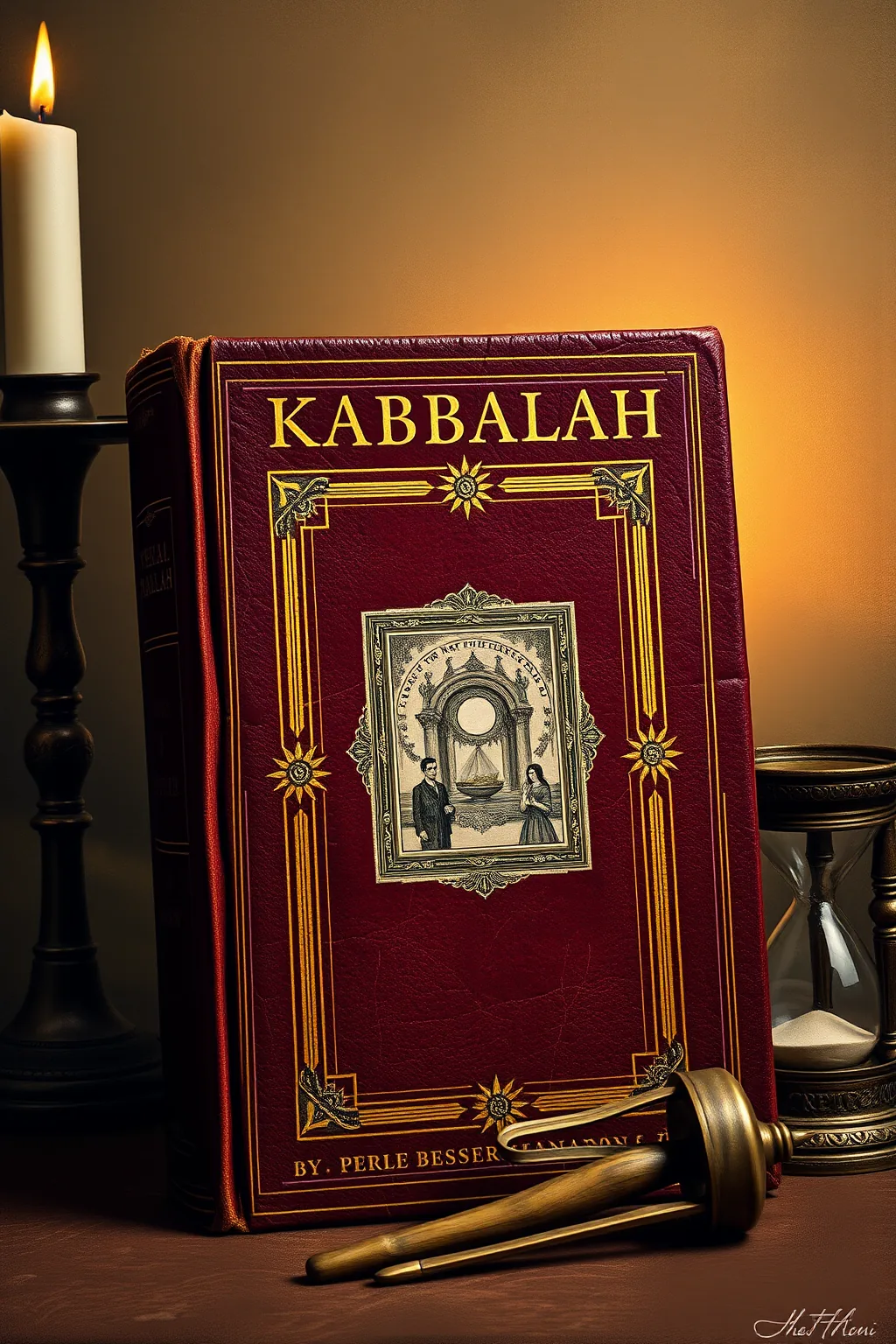
Kabbalah the Way of the Jewish Mystic
 61
61

Kabbalah the Way of the Jewish Mystic



Evander Ashcroft (Alchemy & Hermeticism Editor) — Perle Besserman's 'Kabbalah: The Way of the Jewish Mystic' is an exceptional gateway into the profound depths of Jewish esoteric thought. Besserman navigates the complex cosmology of the Kabbalah with clarity and reverence, illuminating its rich symbolism and philosophical underpinnings. Her accessible yet insightful prose allows newcomers to grasp core concepts like the Sefirot and the Tree of Life, while offering seasoned practitioners fresh perspectives. This work stands as a testament to the enduring power of Kabbalistic wisdom, revealing its spiritual and psychological relevance. It is an indispensable resource for anyone seeking to understand the mystical heart of Judaism or explore the universal principles of divine emanation and spiritual ascent.
📝 Description
61
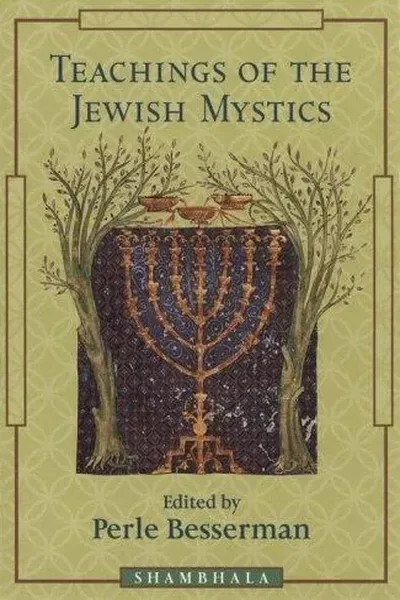
Perle Besserman's 1989 book deciphers the Jewish mystical tradition of Kabbalah.
Perle Besserman's 'Kabbalah: The Way of the Jewish Mystic' examines the core concepts of this Jewish esoteric tradition. The book details the symbolic language and structures central to Kabbalistic thought, including the Tree of Life (Etz Chayim) and the Sefirot. Besserman aims to explain these elements not just as theological constructs but as ways to understand the divine and the human connection to it.
The text is structured to make these complex ideas accessible to a general audience interested in mysticism. It moves beyond a purely academic presentation to suggest the experiential aspects of Kabbalistic practice. The book addresses themes of creation, consciousness, and the pursuit of spiritual unity, framing them within the historical development of Kabbalistic ideas.
Kabbalah represents a specific stream within Jewish mysticism that developed primarily in medieval Europe. Its esoteric nature lies in its focus on hidden meanings within scripture, complex symbolic systems, and meditative or contemplative practices aimed at achieving direct experience of the divine. This tradition is distinct from mainstream rabbinic Judaism in its emphasis on cosmology, divine emanations, and the structure of the spiritual worlds. Besserman's work places these elements within the broader context of Jewish religious and philosophical history.
💡 Why Read This Book?
Unravel the ancient secrets of the Kabbalah, a profound system of Jewish mysticism that offers a unique blueprint of the cosmos and the human soul. 'Kabbalah: The Way of the Jewish Mystic' provides an accessible yet deeply insightful exploration of its core principles, symbolism, and historical context. Ideal for spiritual seekers, students of comparative religion, and those drawn to the esoteric traditions, this book opens a door to transformative understanding and a richer connection to the divine.
⭐ Reader Reviews
Honest opinions from readers who have explored this book.
❓ Frequently Asked Questions
What is Kabbalah?
Kabbalah is an esoteric system of Jewish mysticism that seeks to understand the nature of God, the universe, and the human soul through symbolic interpretation and contemplative practices. It explores divine emanations and the hidden pathways of creation.
Who was Perle Besserman?
Perle Besserman was an American author and scholar known for her accessible writings on Eastern religions and mysticism. Her work often bridges academic rigor with a profound appreciation for the spiritual dimensions of these traditions.
What is the Tree of Life in Kabbalah?
The Tree of Life (Etz Chayim) is a central symbolic diagram in Kabbalah representing the divine emanations (Sefirot) through which God creates and sustains the universe. It serves as a map for spiritual ascent and understanding.
Is this book suitable for beginners?
Yes, 'Kabbalah: The Way of the Jewish Mystic' is highly recommended for beginners. Besserman's clear prose and systematic approach make complex Kabbalistic concepts understandable without sacrificing their depth.
Does the book discuss Hasidism?
Yes, the book touches upon the historical development and mystical practices associated with Hasidism, a significant movement within Jewish mysticism that emerged in the 18th century.
🔮 Key Themes & Symbolism
The Tree of Life (Etz Chayim)
The central symbolic diagram of Kabbalah, the Tree of Life, is meticulously explored. It represents the ten Sefirot, divine attributes or emanations, that form the structure of creation and the pathway for spiritual ascent. Besserman elucidates how this intricate model serves as a cosmic map, a blueprint for understanding God's relationship with the world, and a guide for the mystic's inner journey towards divine consciousness. Its visual and conceptual richness provides a profound framework for contemplating the nature of existence and the divine unfolding.
The Sefirot: Divine Emanations
This book explores the nature of the Sefirot, the ten divine emanations that radiate from the Ein Sof (the Infinite). Each Sefirot represents a distinct aspect of God's creative force and attributes, such as wisdom (Chokmah), understanding (Binah), and loving-kindness (Chesed). Besserman explains how these energies manifest in the cosmos and within the human psyche, offering insights into the divine interplay that governs reality and the potential for human connection to these sacred forces.
Symbolism and Esoteric Interpretation
A central to Kabbalah is its rich and layered symbolism, which Besserman expertly deciphers. From the Hebrew letters and their mystical permutations to the allegorical narratives within Jewish texts, the book reveals how these symbols serve as keys to unlocking hidden meanings and profound truths. It highlights the esoteric dimension of Jewish tradition, where spiritual knowledge is often conveyed through metaphor and allegorical interpretation, inviting the reader to engage in a deeper, more contemplative understanding of sacred texts.
💬 Memorable Quotes
Direct passages from the work, attributed to the author.
“The Tree of Life is a map of the soul's journey.”
— This highlights the psychological and spiritual application of Kabbalistic symbolism, framing the Tree of Life as a guide for personal growth and self-realization.
“Within the silence, the divine whispers.”
— This evocative phrase points to the contemplative and meditative aspects of Kabbalistic practice, suggesting that profound spiritual truths are revealed through inner stillness.
“Every letter holds a universe.”
— This speaks to the gematria and the mystical significance of Hebrew letters in Kabbalah, where each character is believed to contain vast cosmic and spiritual information.
“To know God is to know oneself.”
— This expresses the Gnostic principle inherent in much of Kabbalistic thought, emphasizing the interconnectedness of the divine and the human, and the path of self-discovery as a means to divine revelation.
💡 Key Ideas
Editorial paraphrase of the work's core concepts — not direct quotes.
The Kabbalah is not a religion, but a way of knowing.
This quote emphasizes Kabbalah's focus on direct, experiential knowledge and spiritual insight rather than dogma, positioning it as a path of inner discovery.
🌙 Esoteric Significance
Tradition
Kabbalah represents one of the most profound and enduring esoteric traditions within Judaism. It is a system of mystical interpretation and practice aimed at understanding the divine nature, the creation of the universe, and the spiritual destiny of humanity. Its esoteric dimension lies in its symbolic language, contemplative techniques, and the pursuit of direct, experiential knowledge of God, often revealed through hidden meanings within sacred texts and symbolic structures like the Tree of Life.
Symbolism
The symbolism in Kabbalah is incredibly rich and multi-layered. Key symbols include the Tree of Life (Etz Chayim), representing the ten Sefirot or divine emanations, and the Hebrew alphabet, where each letter is imbued with cosmic significance. Other symbolic elements involve divine names, angelic hierarchies, and allegorical narratives. Besserman guides the reader through these symbols, revealing how they function not just as representations but as conduits for divine energy and understanding, offering pathways to spiritual illumination.
Modern Relevance
The Kabbalah's relevance in the modern era lies in its profound psychological insights and its exploration of universal spiritual themes. Its emphasis on interconnectedness, the journey of consciousness, and the inherent divine spark within each individual resonates deeply with contemporary seekers. The symbolic language and contemplative practices offer tools for personal growth, self-discovery, and a deeper understanding of one's place in the cosmos, making it a timeless source of wisdom for those seeking meaning and spiritual fulfillment in a complex world.
👥 Who Should Read This Book
This useful work is a treasure for a diverse audience. For the **beginner** seeking an accessible entry into Jewish mysticism, Besserman's clear prose explains complex concepts. **Scholars** of religion and comparative mysticism will find a well-researched and insightful overview of Kabbalistic thought and its historical context. **Spiritual seekers** drawn to esoteric traditions will discover a profound system for understanding the divine and their own inner landscape. **Practitioners** of meditation or contemplative disciplines may find valuable frameworks and symbolic keys to deepen their existing practices and explore new dimensions of spiritual awareness.
📜 Historical Context
Perle Besserman's exploration of Kabbalah is situated within the wide range of Jewish intellectual and spiritual history. While the roots of Kabbalah can be traced to earlier mystical traditions, its systematic development flourished in medieval Spain and Provence, particularly with the emergence of foundational texts like the Zohar in the 13th century. The subsequent centuries saw Kabbalistic thought disseminate and evolve, influencing various Jewish communities, including the Lurianic Kabbalah in Safed in the 16th century, which introduced concepts of tikkun (rectification) and cosmic repair. The book also touches upon the later development of Hasidism in Eastern Europe, a movement that popularized Kabbalistic ideas and integrated them into devotional practices. Besserman's work thus bridges centuries of esoteric Jewish thought, presenting a coherent narrative of its evolution and enduring significance.
📔 Journal Prompts
Reflect on the concept of divine emanation as described in the Sefirot. How do these attributes resonate with your own experiences of the world?
Meditate on the symbolism of the Tree of Life. Which path or Sefirah calls to you most strongly, and why?
Consider the idea of 'hidden knowledge' in Kabbalah. What 'hidden' aspects of yourself or the universe do you feel are waiting to be discovered?
How does the Kabbalistic understanding of the human soul's journey towards the divine offer a new perspective on your own spiritual path?
If each Hebrew letter holds a universe, what 'universe' do you feel is contained within your own name or a significant word to you?
🗂️ Glossary
Kabbalah
An esoteric system of Jewish mysticism focused on understanding the divine nature, creation, and the human soul through symbolic interpretation and contemplative practice.
Sefirot
The ten divine emanations or attributes through which God creates and sustains the universe, forming the structure of the Tree of Life.
Ein Sof
The Kabbalistic term for the Infinite or Godhead, that which is beyond all comprehension and description, the ultimate, unknowable divine essence.
Etz Chayim
The Hebrew term for the Tree of Life, a central symbolic diagram in Kabbalah representing the Sefirot and the structure of creation.
Tikkun
A central concept, particularly in Lurianic Kabbalah, referring to the 'rectification' or 'repair' of the world and the divine sparks scattered within creation.
This book appears in 1 collection
🔮 Readers Also Liked
Browse all →








More by Perle Besserman
All books →




From the “Kabbalah” Collection
View all →






More Free Kabbalah & Jewish Mysticism Books
View all →