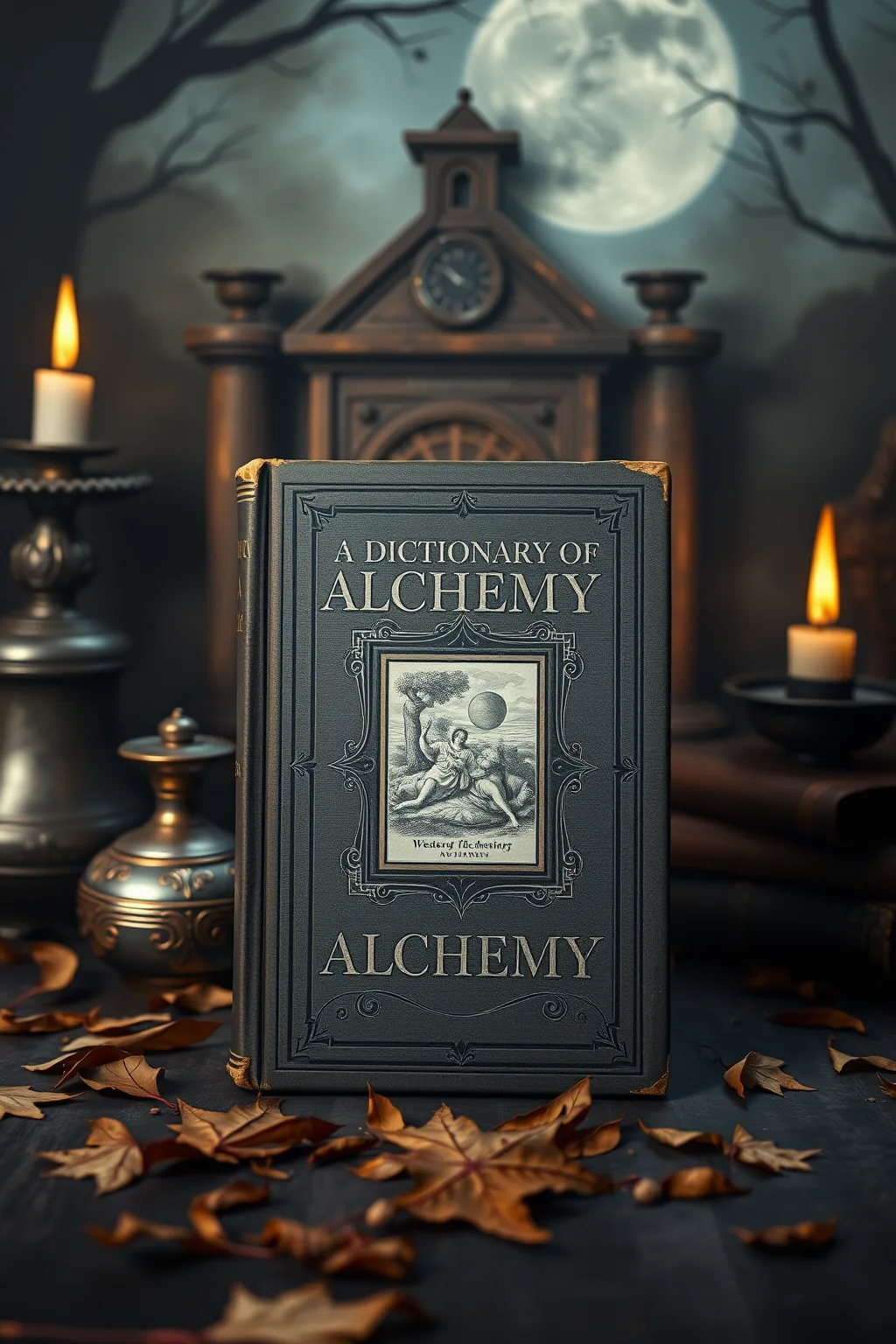
A Dictionary Of Western Alchemy
 75
75

A Dictionary Of Western Alchemy

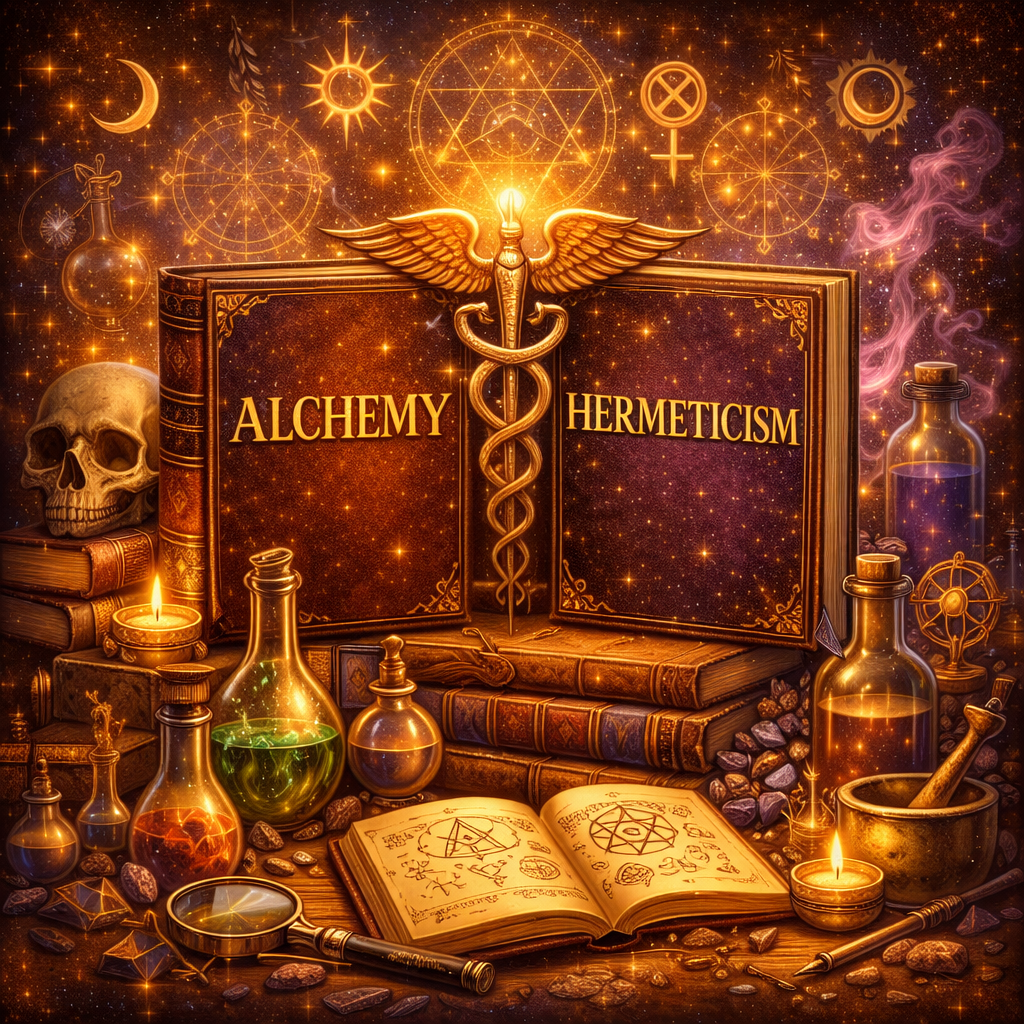

A Dictionary of Western Alchemy by Jordan Stratford is a must-have for anyone interested in the esoteric arts. Stratford's work is both scholarly and accessible, making it an excellent resource for modern seekers of occult knowledge. The book's detailed entries on alchemical symbols, processes, and historical figures provide a deep dive into the rich tapestry of Western alchemy. Stratford's ability to weave together historical context with practical applications makes this dictionary an invaluable tool for both beginners and advanced practitioners. The book's thorough research and clear explanations make it a standout in the field of esoteric literature. For those looking to expand their understanding of alchemy and Hermeticism, this dictionary is an essential addition to their library.
📝 Description
75
Jordan Stratford's 2006 dictionary details the symbolic language and practices of Western alchemy.
Jordan Stratford's 'A Dictionary of Western Alchemy' offers a detailed look at the symbolic language and philosophical concepts of this historical practice. Published in 2006, the book aims to clarify the terms and ideas that define Western alchemical traditions. It covers a wide range of subjects, from the basic elements and metals to the more complex spiritual interpretations associated with transmutation.
The work moves beyond simple definitions to connect alchemical theory with its historical and philosophical roots. Stratford presents the material in a way that assists readers in grasping the connections between the physical processes and the spiritual aspirations often linked to alchemy. The dictionary is structured to help individuals understand the esoteric meanings embedded within alchemical texts and practices.
Western alchemy, rooted in Hellenistic Egypt and developed through Arabic and European traditions, sought not only the transmutation of base metals into gold but also spiritual purification and philosophical understanding. It synthesized elements from Greek philosophy, Gnosticism, Kabbalah, and Neoplatonism. Stratford's dictionary provides a guide to the specific terminology and conceptual frameworks that emerged from this synthesis, detailing the language used to describe both material processes and inner transformation.
💡 Why Read This Book?
Reading A Dictionary of Western Alchemy today offers readers a unique opportunity to explore the historical and mystical dimensions of alchemy. This book provides a comprehensive understanding of alchemical practices, symbols, and their philosophical underpinnings. Readers will gain insights into the esoteric traditions that have influenced modern thought and spirituality. Whether for academic research or personal enlightenment, this dictionary is an invaluable resource for anyone interested in the occult and Hermeticism.
⭐ Reader Reviews
Honest opinions from readers who have explored this book.
❓ Frequently Asked Questions
Is this book suitable for beginners?
Yes, A Dictionary of Western Alchemy is accessible to beginners while also providing depth for advanced practitioners.
What makes this dictionary unique?
This dictionary stands out for its comprehensive coverage of Western alchemy, including historical context and practical applications.
Can I use this book for academic research?
Absolutely, the detailed entries and thorough research make it an excellent resource for academic studies in alchemy and Hermeticism.
🔮 Key Themes & Symbolism
Symbolism in Alchemy
Alchemy is rich in symbolism, and this dictionary deciphers the hidden meanings behind various symbols used in Western alchemy. From the philosopher's stone to the ouroboros, each symbol holds a deeper significance that reveals the mystical journey of transformation and enlightenment. Understanding these symbols can provide useful insights into the alchemical process and its philosophical underpinnings.
Philosophical Foundations
The philosophical foundations of alchemy are explored in depth, providing readers with a comprehensive understanding of the Hermetic principles that underpin this ancient art. The book studies the concept of the 'major work,' the great work of alchemy, and its relevance to personal and spiritual transformation. Stratford's work encourages readers to contemplate the deeper meanings behind alchemical practices and their applications in modern life.
Historical Context
Alchemy has a long history that spans centuries and cultures. This dictionary offers a detailed look at the historical development of Western alchemy, from its origins in ancient Greece to its influence on medieval and Renaissance thought. By understanding the historical context, readers can appreciate the evolution of alchemical practices and their enduring significance in the world of esoteric knowledge.
💡 Key Ideas
Editorial paraphrase of the work's core concepts — not direct quotes.
The true alchemist seeks not gold but the transformation of the soul.
This quote underscores the spiritual dimension of alchemy, emphasizing the inner journey of self-discovery and enlightenment.
In the crucible of the mind, all elements are purified.
This passage highlights the alchemical process of mental and spiritual purification, essential for achieving true wisdom.
The philosopher's stone is a symbol of the unity of all things.
This quote reveals the profound symbolism of the philosopher's stone, representing the ultimate goal of alchemical transformation and spiritual unity.
The journey of alchemy is a path of discovery and revelation.
This line emphasizes the transformative nature of alchemy, inviting readers to begin of self-discovery and enlightenment.
Through the art of alchemy, the mysteries of the universe are unveiled.
This passage underscores the mystical and esoteric dimensions of alchemy, offering insights into the hidden knowledge of the cosmos.
🌙 Esoteric Significance
Tradition
This book belongs to the Hermetic tradition, which emphasizes the unity of all things and the transformative power of alchemy. Hermeticism draws on ancient Egyptian and Greek philosophies, blending mystical and scientific knowledge to explore the mysteries of the universe. The Hermetic tradition has had a profound influence on Western esoteric thought, shaping the development of various occult and metaphysical practices.
Symbolism
Key symbols in Western alchemy include the philosopher's stone, the ouroboros, and the alchemical elements. The philosopher's stone represents the ultimate goal of alchemical transformation, symbolizing spiritual enlightenment and the unity of all things. The ouroboros, a serpent swallowing its own tail, signifies the eternal cycle of life, death, and rebirth. The alchemical elements—earth, air, fire, and water—are essential components in the process of transmutation and spiritual purification.
Modern Relevance
Today, the principles of Western alchemy continue to influence modern practitioners of the occult and metaphysical arts. Alchemical symbolism and philosophy are integrated into various spiritual and esoteric practices, providing a framework for personal and spiritual transformation. Contemporary alchemists and seekers use these ancient teachings to explore the depths of their inner selves and the mysteries of the universe, finding relevance and meaning in the timeless wisdom of alchemy.
👥 Who Should Read This Book
Beginners will find 'A Dictionary of Western Alchemy' an invaluable resource for understanding the basics of alchemical symbolism and philosophy. Scholars of esoteric studies will appreciate the depth and breadth of Stratford's research, making it an essential reference for academic pursuits. Spiritual seekers will be drawn to the mystical and transformative aspects of alchemy, finding inspiration and guidance for their personal journeys. Practitioners of the Hermetic arts will benefit from the comprehensive coverage of alchemical principles and their applications in modern spiritual practices.
📜 Historical Context
Western alchemy has its roots in ancient Greek philosophy and early Christian mysticism, evolving through the medieval and Renaissance periods. During these eras, alchemists sought to understand the fundamental principles of nature and the universe, often blending scientific inquiry with spiritual and philosophical pursuits. The influence of alchemy can be seen in various cultural and intellectual movements, from the Hermetic tradition to the development of modern chemistry. Jordan Stratford's 'A Dictionary of Western Alchemy' provides a comprehensive overview of this long history, highlighting the enduring significance of alchemical principles in contemporary esoteric studies.
📔 Journal Prompts
Reflect on the symbolism of the philosopher's stone and its significance in your spiritual journey?
How does the concept of the 'major work' resonate with your personal quest for transformation?
Explore the historical context of alchemy and its influence on your understanding of esoteric traditions?
Consider the role of the alchemical elements in your spiritual and philosophical practices?
How can the principles of alchemy be applied to your daily life and personal growth?
🗂️ Glossary
Philosopher's Stone
A legendary substance in alchemy believed to turn base metals into gold and grant immortality, symbolizing spiritual enlightenment.
Major work
The great work of alchemy, representing the ultimate goal of spiritual and philosophical transformation.
Ouroboros
A serpent swallowing its own tail, symbolizing the eternal cycle of life, death, and rebirth.
Alchemical Elements
The four fundamental elements—earth, air, fire, and water—used in alchemical practices to represent various stages of transformation.
Hermetic Tradition
A philosophical and spiritual tradition that emphasizes the unity of all things and the transformative power of alchemy, drawing on ancient Egyptian and Greek philosophies.
This book appears in 3 collections
🔮 Readers Also Liked
Browse all →





From the “Hermeticism” Collection
View all →







More Free Alchemy & Hermeticism Books
View all →