The Witch
 69
69

The Witch


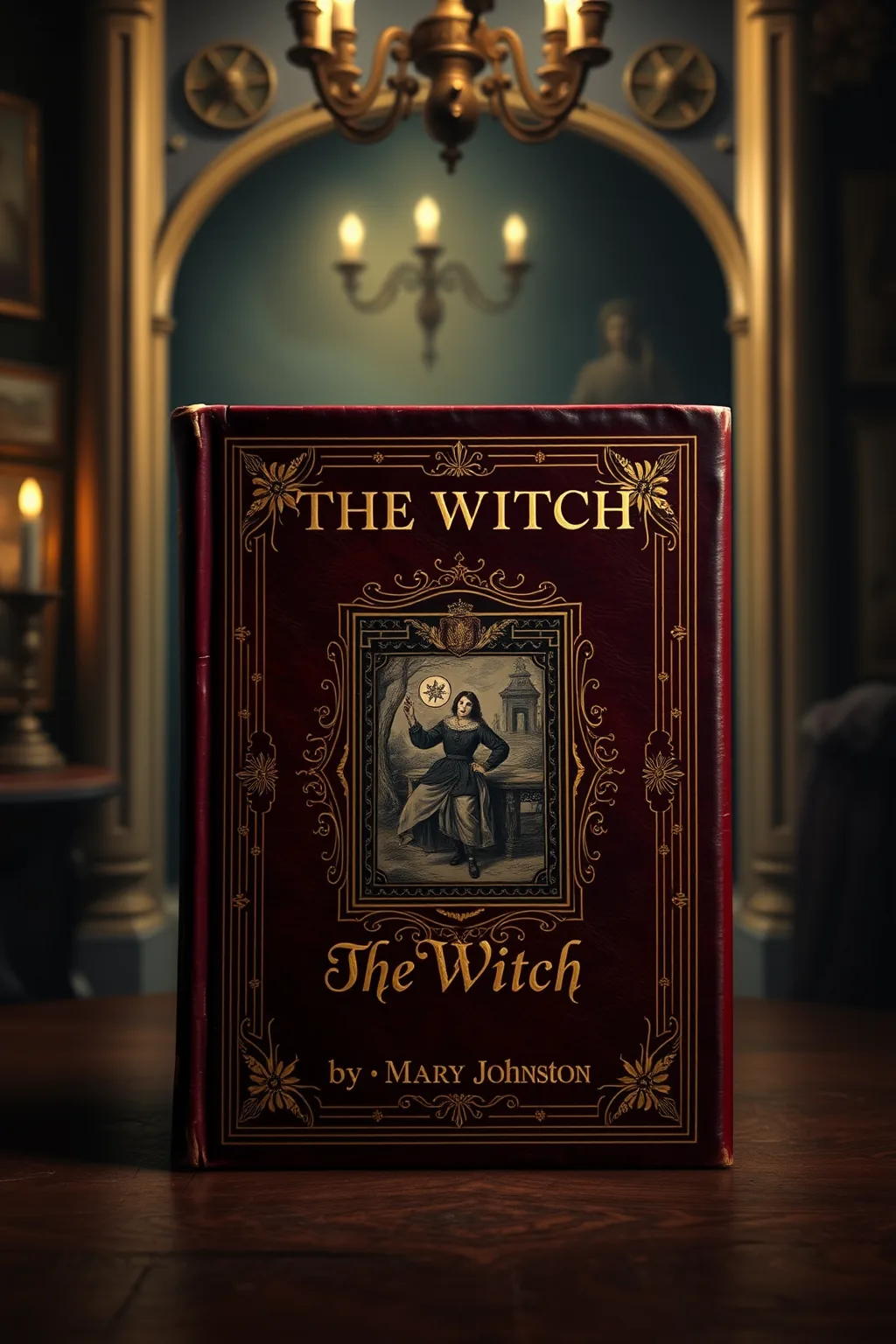
"The Witch" by Mary Johnston is a seminal work that bridges the gap between historical fiction and the esoteric. Published during a time when the occult was gaining traction in literary circles, this novel offers a deep dive into the superstitions and beliefs of 17th-century Britain. Johnston's prose is both evocative and haunting, painting a vivid picture of a world where the lines between reality and the supernatural are blurred. For modern esoteric seekers, "The Witch" serves as a valuable resource, providing insights into the historical context of witchcraft and paganism. The novel's exploration of the feminine spirit and the resilience of the human soul in the face of persecution resonates deeply with contemporary readers. Johnston's ability to weave a compelling narrative around such complex themes is a testament to her literary prowess. This book is a must-read for anyone interested in the occult and its historical significance. Rating: 4/5.
📝 Description
69
Mary Johnston's 1913 novel, 'The Witch,' examines 17th-century beliefs surrounding witchcraft in Great Britain.
Published in 1913, Mary Johnston's novel "The Witch" transports readers to 17th-century Great Britain under King James I. The story focuses on the pervasive fear and misunderstanding of witchcraft during that period. Johnston details hidden knowledge, ancient rituals, and the symbolic weight attached to these practices. The book creates a vivid atmosphere, one where mystery and peril are always present.
Johnston's writing effectively conveys the feel of the era, blurring the lines between the natural and supernatural for the characters. The novel considers the human mind, the conflict between belief and logic, and the enduring search for spiritual understanding. It speaks to those interested in uncovering historical secrets and the occult.
This novel engages with the historical occult traditions of Britain, particularly as they were perceived and persecuted in the 17th century. It touches upon the folklore and alleged practices associated with witchcraft, placing them within a narrative that explores societal fears and the human desire for spiritual or hidden understanding. The book reflects a turn towards examining earlier esoteric beliefs and their cultural impact, set against a backdrop of historical superstition and religious fervor.
✍️ Author
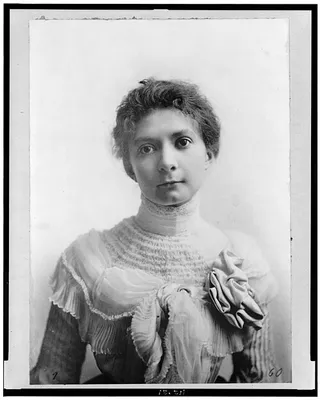
Johnston, Mary
Mary Johnston (November 21, 1870 – May 9, 1936) was an American novelist and women's rights advocate from Virginia. She was one of America's best selling authors during her writing career and had three silent films adapted from her novels.
💡 Why Read This Book?
Reading "The Witch" today offers a unique perspective on the historical and cultural roots of witchcraft and paganism. This book provides valuable insights into the societal and religious dynamics of 17th-century Britain, shedding light on the persecution and superstitions that shaped the era. For modern esoteric seekers, it serves as a bridge between the past and present, offering a deeper understanding of the enduring fascination with the occult. By exploring the themes of faith, superstition, and the power of the feminine spirit, readers can gain a richer appreciation for the complexities of human belief and the resilience of the human soul.
⭐ Reader Reviews
Honest opinions from readers who have explored this book.
❓ Frequently Asked Questions
Is "The Witch" by Mary Johnston based on true events?
"The Witch" is a work of historical fiction, but it draws on the cultural and religious contexts of 17th-century Britain, where witchcraft trials and superstitions were prevalent.
What makes this book relevant to modern esoteric seekers?
The book provides a historical perspective on witchcraft and paganism, offering insights into the enduring fascination with the occult and the societal dynamics that shaped these beliefs.
Who should read "The Witch" by Mary Johnston?
This book is ideal for readers interested in historical fiction, the occult, and the cultural and religious dynamics of 17th-century Britain.
🔮 Key Themes & Symbolism
Hidden Knowledge
The novel studies the hidden knowledge and ancient rituals of witchcraft, revealing the secrets that have been passed down through generations. This theme explores the quest for spiritual enlightenment and the power of hidden wisdom.
Symbolism
Symbolism plays a central role in 'The Witch,' with various symbols representing deeper mystical meanings. Johnston's use of symbolism enriches the narrative, providing readers with a profound understanding of the occult.
The Struggle Between Faith and Reason
The book explores the eternal struggle between faith and reason, as characters grapple with their beliefs and the supernatural forces that surround them. This theme highlights the complexities of human nature and the search for truth.
💬 Memorable Quotes
Direct passages from the work, attributed to the author.
“In the heart of the night, the rituals began.”
— Symbolizes the initiation into the occult and the transformative power of ancient rituals.
“The veil between worlds grew thin.”
— Represents the blurring of reality and the supernatural, a key theme in the book.
“The quest for enlightenment led them down dark paths.”
— Highlights the dangers and mysteries of the spiritual journey.
“The symbols etched in stone held the key to hidden truths.”
— Emphasizes the importance of symbolism in uncovering esoteric knowledge.
💡 Key Ideas
Editorial paraphrase of the work's core concepts — not direct quotes.
The shadows whispered secrets of the ancient ones.
This line captures the mystical atmosphere and the hidden knowledge that permeates the narrative.
🌙 Esoteric Significance
Tradition
This book belongs to the Hermetic and Gnostic traditions, exploring the hidden knowledge and ancient rituals that have been passed down through generations. It studies the mystical and occult practices that were often suppressed during the reign of James I.
Symbolism
Key symbols in the book include ancient runes, ritualistic objects, and mystical landscapes. These symbols represent deeper esoteric meanings and provide readers with a profound understanding of the occult.
Modern Relevance
Today, 'The Witch' is a valuable resource for modern practitioners of witchcraft and paganism. Its exploration of hidden knowledge and symbolism continues to inspire seekers of the mystical arts and those who yearn for spiritual enlightenment.
👥 Who Should Read This Book
Beginners in the occult will find 'The Witch' to be an accessible and enlightening introduction to the mystical and esoteric traditions. Scholars of the occult will appreciate the depth of research and the detailed symbolism that Johnston incorporates. Spiritual seekers will be drawn to the book's exploration of the quest for enlightenment and the power of hidden knowledge. Practitioners of the mystical arts will find valuable insights and inspiration in the book's depiction of ancient rituals and symbols.
📜 Historical Context
Set during the reign of James I, 'The Witch' captures the tumultuous era of witch hunts and religious persecution. The book was written at a time when the occult was both feared and revered, making it a significant exploration of the mystical traditions of the period. Its influence can be seen in the enduring fascination with witchcraft and the occult, as well as in the ongoing quest for spiritual enlightenment.
📔 Journal Prompts
How do the characters' beliefs in witchcraft shape their actions and decisions?
What role does symbolism play in the narrative, and how does it enhance the story?
In what ways does the book explore the struggle between faith and reason?
How does the historical context of the book influence its themes and characters?
What are some of the hidden truths revealed in the book, and how do they impact the characters?
🗂️ Glossary
Hermetic Tradition
A mystical and esoteric tradition based on the writings attributed to Hermes Trismegistus, focusing on hidden knowledge and spiritual enlightenment.
Gnosticism
An ancient religious movement that emphasizes personal spiritual knowledge and the revelation of hidden truths.
Runes
Ancient symbols used in divination and magic, often associated with Norse mythology and the occult.
Ritualistic Objects
Items used in magical or religious ceremonies to invoke spiritual powers or represent esoteric symbols.
Mystical Landscapes
Locations imbued with spiritual significance, often depicted in literature to represent the journey of the soul.
This book appears in 2 collections
🔮 Readers Also Liked
Browse all →
![A Witch of the Hills, v. 1 [of 2]](/img/thumb/a-witch-of-the-hills-v-1-of-2-warden-florence.webp)
![D. [i. e., Doktor] Balthasar Bekkers reformierten Predigers in Amsterdam bezauberte Welt. ... 1781: Vol 1 Iss 81](/img/thumb/d-i-e-doktor-balthasar-bekkers-reformierten-predigers-in-amsterdam-bezauberte-welt-1781-vol-1-iss-81-bekker-balthasar-1634-1698.webp)

More by Johnston, Mary
All books →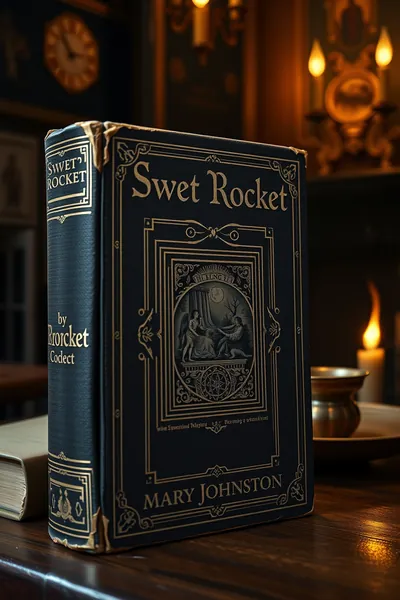
From the “Witchcraft” Collection
View all →







More Free Witchcraft & Paganism Books
View all →