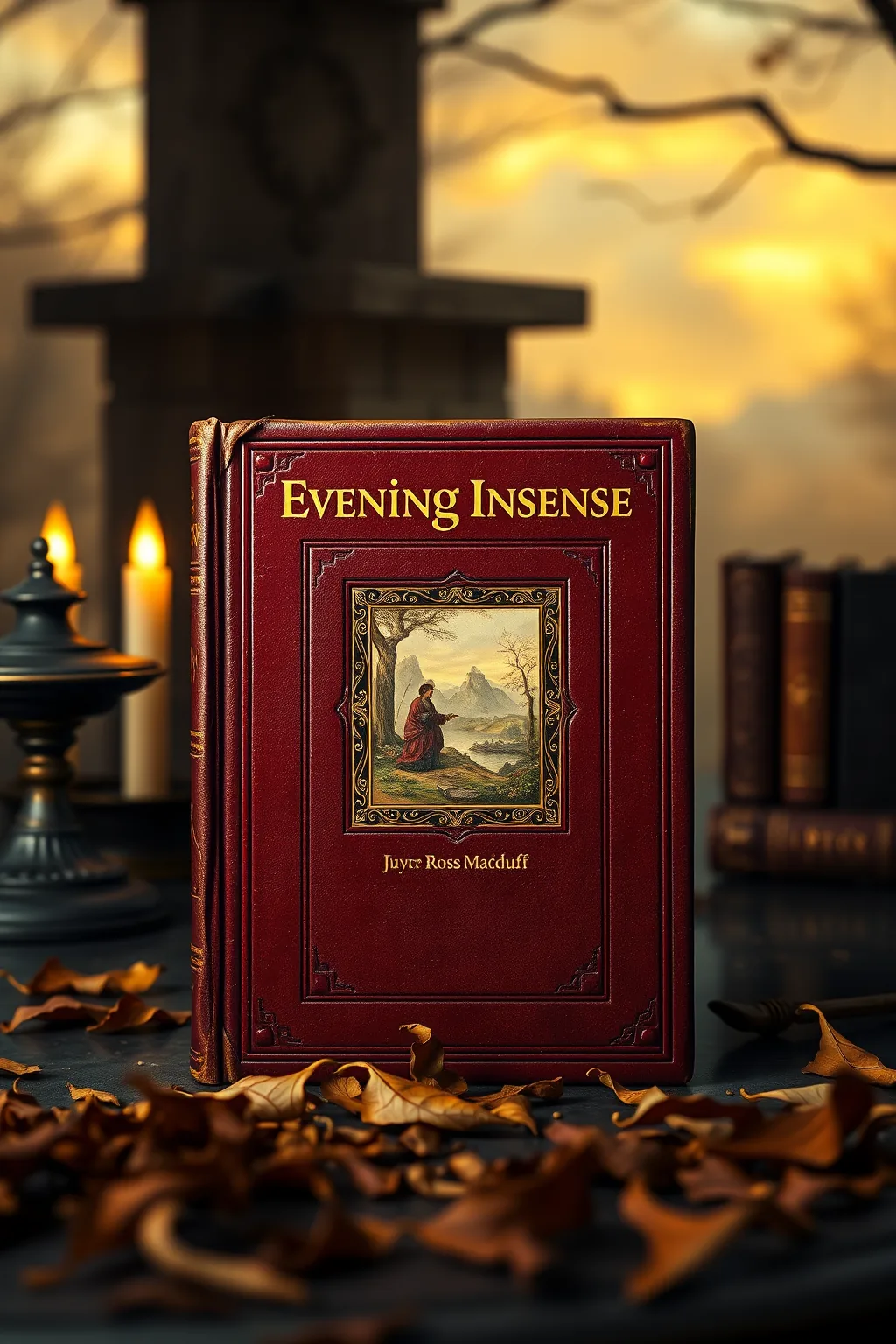
Evening Incense
 69
69

Evening Incense



Evening Incense by John R. Macduff is a hidden gem in the realm of esoteric and devotional literature. Published in 1818, this book remains relevant for modern seekers of spiritual enlightenment. Macduff's writing is both eloquent and deeply spiritual, making it accessible to readers of all backgrounds. The book's strength lies in its ability to blend traditional Christian devotional practices with esoteric insights, providing a holistic approach to spiritual development. For contemporary readers, Evening Incense offers a refreshing perspective on prayer and meditation, encouraging a more introspective and mystical approach to faith. The devotional exercises and prayers are timeless, offering guidance and inspiration for those on a spiritual quest. Whether you are a seasoned practitioner of esoteric arts or a Christian looking to deepen your faith, Evening Incense is a must-read. It deserves a solid 4-star rating for its enduring relevance and spiritual depth.
📝 Description
69
John Ross Macduff wrote 'Evening Incense' to guide devotional exercises in Christian spirituality.
Published in 1929, 'Evening Incense' by John Ross Macduff focuses on devotional practices within Christian spirituality. Macduff's writing aims to create a space for introspection and spiritual contemplation. The book details symbolic meanings and offers philosophical insights intended to connect the reader with the divine. It addresses those seeking a deeper understanding of their faith, whether they are new to spiritual study or have prior experience. The text presents a structured approach to spiritual exercises.
Macduff's prose attempts to evoke a sense of peace conducive to meditation. He discusses specific exercises and their symbolic underpinnings. The work is structured to lead the reader through a series of contemplative steps. It is intended to help individuals find greater meaning in their spiritual lives by integrating philosophical concepts with practical devotion.
This book sits within the Christian esoteric tradition, which seeks inner, hidden meanings within orthodox religious structures. It follows in a lineage that includes figures like Jakob Böhme and the Rosicrucian writers, who interpreted scripture and ritual symbolically to reveal deeper spiritual truths. 'Evening Incense' specifically addresses devotional practices, suggesting a focus on personal spiritual experience and internal transformation, common aims in esoteric movements that emphasize direct communion with the divine over purely external observance.
✍️ Author
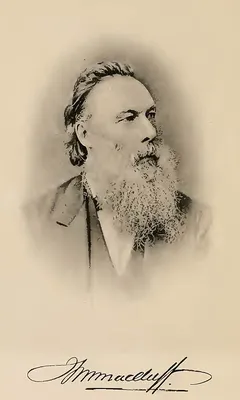
Macduff, John R. (John Ross)
John Ross Macduff (23 May 1818 – 30 April 1895) was a Scottish divine and a prolific author of religious essays. He published many practical and devotional works which attained a wide circulation.
💡 Why Read This Book?
Reading Evening Incense today offers a unique opportunity to explore the intersection of esoteric practices and Christian devotion. This book provides readers with a rich tapestry of devotional exercises and spiritual reflections that can enhance their spiritual life. By delving into Macduff's insights, readers can gain a deeper understanding of faith, hope, and love, and learn how to integrate these principles into their daily lives. Evening Incense is an excellent resource for anyone seeking to enrich their spiritual journey with a blend of mystical and traditional Christian teachings.
⭐ Reader Reviews
Honest opinions from readers who have explored this book.
❓ Frequently Asked Questions
Who is the author of Evening Incense?
John R. Macduff, a Scottish minister and author, wrote Evening Incense in 1818.
What is the main focus of Evening Incense?
The book focuses on spiritual development through devotional exercises, prayers, and Christian literature.
Is Evening Incense suitable for modern readers?
Yes, it offers timeless insights into spiritual growth and Christian devotion.
🔮 Key Themes & Symbolism
Devotional Exercises
Macduff's 'Evening Incense' explores the transformative power of devotional exercises in Christian mysticism. By looking at the hidden symbolism and profound reflections, readers can enhance their spiritual practices and deepen their connection with the divine.
Symbolism and Hidden Knowledge
The book is rich in symbolism and hidden knowledge, offering readers a pathway to a more profound understanding of their faith. Macduff's evocative prose invites seekers to explore the deeper layers of Christian spirituality, revealing the mystical dimensions that lie beneath the surface.
Philosophical Reflections
Macduff's philosophical reflections provide a bridge between the mundane and the divine, offering readers a unique perspective on the nature of spiritual life. The book's insights into the esoteric traditions of Christianity make it a valuable resource for scholars and practitioners alike.
💬 Memorable Quotes
Direct passages from the work, attributed to the author.
“The incense of the heart rises to the heavens.”
— Macduff uses this metaphor to illustrate the connection between earthly devotion and divine grace.
“In the stillness, we find the essence of faith.”
— Macduff's reflection on the value of quiet contemplation in deepening one's spiritual journey.
💡 Key Ideas
Editorial paraphrase of the work's core concepts — not direct quotes.
In the quiet of the evening, the soul finds its true voice.
This line emphasizes the transformative power of devotional exercises in finding inner peace and spiritual clarity.
Symbolism is the language of the divine.
This quote highlights the importance of understanding hidden symbols in spiritual practices.
The mystical path is a journey of the heart.
This line underscores the emotional and spiritual dimensions of the mystical experience.
🌙 Esoteric Significance
Tradition
Evening Incense' belongs to the Hermetic and Gnostic traditions, blending Christian mysticism with esoteric knowledge. Macduff's exploration of devotional exercises and symbolism aligns with the hidden teachings of these ancient traditions.
Symbolism
Key symbols in the book include the incense, which represents the ascent of the soul to the divine, and the quiet evening, symbolizing a state of spiritual introspection and clarity. These symbols are integral to the book's mystical and esoteric themes.
Modern Relevance
Today, 'Evening Incense' continues to be relevant for modern practitioners who seek to deepen their spiritual practices through devotional exercises and esoteric insights. The book's blend of Christian mysticism and Hermetic philosophy offers a unique perspective on the mystical dimensions of faith.
👥 Who Should Read This Book
Beginners in spiritual development will find 'Evening Incense' an enlightening introduction to the mystical dimensions of Christianity. Scholars of esoteric traditions will appreciate the depth of Macduff's insights and the detailed symbolism throughout the book. Spiritual seekers will benefit from the devotional exercises and philosophical reflections, while practitioners of devotional exercises will find new ways to deepen their spiritual practices.
📜 Historical Context
Published during a time of spiritual revival, 'Evening Incense' by John Ross Macduff resonated with readers seeking deeper connections with their faith. The book's emphasis on devotional exercises and spiritual contemplation was particularly important in an era when the occult and mystical aspects of Christianity were being rediscovered. Macduff's work has had a lasting influence on subsequent generations of spiritual seekers and scholars, offering a body of esoteric insights and philosophical reflections.
📔 Journal Prompts
How do the devotional exercises in 'Evening Incense' resonate with your own spiritual practices?
What hidden symbols in the book have you found particularly meaningful?
Reflect on the philosophical significance of the quiet evening as described by Macduff.
How does 'Evening Incense' bridge the gap between the mundane and the divine in your understanding of faith?
In what ways has reading 'Evening Incense' deepened your spiritual journey?
🗂️ Glossary
Devotional Exercises
Spiritual practices aimed at deepening one's connection with the divine through contemplation and prayer.
Hermetic Tradition
An esoteric tradition that blends mystical and occult teachings, often focusing on the hidden knowledge of the divine.
Gnostic Traditions
Ancient religious movements that emphasize personal spiritual knowledge and direct experience of the divine.
Symbolism
The use of symbols to represent abstract ideas or spiritual truths in esoteric and mystical literature.
Christian Mysticism
The exploration of the mystical dimensions of Christianity, often involving hidden knowledge and spiritual contemplation.
This book appears in 4 collections
🔮 Readers Also Liked
Browse all →





From the “Invocation” Collection
View all →



More Free Spiritual Development Books
View all →