What are the Gnostic Gospels?
The Gnostic Gospels are a collection of ancient texts that present a different perspective on Jesus Christ and his teachings than the canonical New Testament. They often emphasize personal spiritual knowledge (gnosis) as the path to salvation, portraying Jesus as a revealer of hidden truths rather than solely a savior. These texts, frequently found in collections like the Nag Hammadi library, explore themes of dualism, the divine spark within humanity, and a complex cosmology.
Best Books for Complete Beginners
For those new to Gnosticism, 'The Complete Idiot's Guide to the Gnostic Gospels' by J. Michael Matkin offers a clear, accessible introduction to key ideas and figures. 'The Everything Gnostic Gospels Book' by Meera Lester provides a broad overview of the major texts and their significance. Adrienne Jaffery's 'The Gnostic Gospels' serves as a good starting point for understanding the historical context and core messages of these writings. 'The Gnostic Gospels of Thomas, Mary & John' by Katherine John introduces specific influential texts in a digestible format.
Intermediate Reading
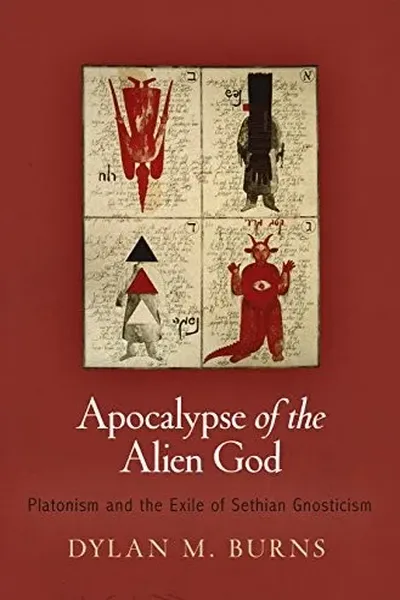
Moving beyond introductions, 'The Gnostic Gospels of Jesus' by Marvin W. Meyer delves deeper into specific gospel narratives and their theological implications. Dylan M. Burns' 'Apocalypse of the Alien God' offers a scholarly examination of specific Gnostic cosmological themes. For a broader look at related traditions, 'Third century spiritual guides' by Richard Valantasis explores the guide-disciple relationship across Gnosticism and other schools. 'Practicing Gnosis' by April D. DeConick examines ritual and liturgy within Gnostic and related traditions.
Classical / Advanced Texts
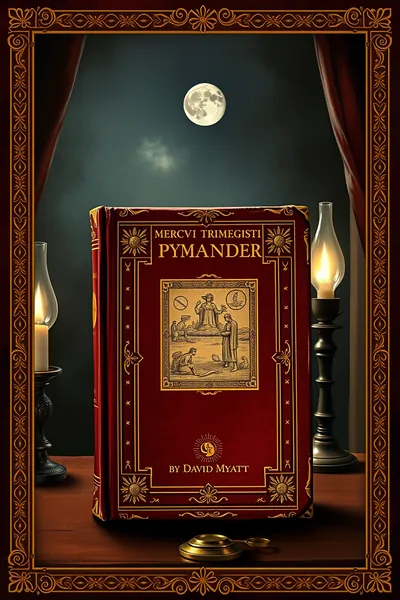
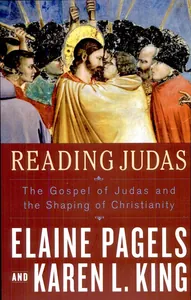
For serious students, primary source translations are essential. 'Mercvrii Trismegisti Pymander - A Translation and Commentary by David Myatt' provides access to Hermetic texts often associated with Gnostic thought. 'Gnosticism From Nag Hammadi to the Gospel of Judas' offers scholarly insights into the discovery and interpretation of key Nag Hammadi texts. 'Sethian gnosticism and the platonic tradition' by John Douglas Turner provides an in-depth academic analysis of a major Gnostic school. 'The Secret Teachings of Jesus' (Unknown) and 'The Gnostic Gospels Complete Collection' by Divine Press offer direct engagement with primary texts.
Reading Order — Step by Step
Begin with introductory overviews like 'The Everything Gnostic Gospels Book' (Meera Lester) or 'The Complete Idiot's Guide to the Gnostic Gospels' (J. Michael Matkin) in Weeks 1-2 to grasp fundamental concepts. By Month 2, engage with texts that explore specific gospels, such as 'The Gnostic Gospels of Jesus' (Marvin W. Meyer) or 'The Gnostic Gospels of Thomas, Mary & John' (Katherine John). In Month 3 and beyond, transition to more advanced scholarly works like 'Apocalypse of the Alien God' (Dylan M. Burns) or primary source translations like 'Mercvrii Trismegisti Pymander' (David Myatt) for deeper study.
Frequently Asked Questions
Which Gnostic Gospels book should I read first?
For a complete beginner, 'The Everything Gnostic Gospels Book' by Meera Lester or 'The Complete Idiot's Guide to the Gnostic Gospels' by J. Michael Matkin are excellent starting points due to their accessible approach.
What is the difference between Gnostic Gospels and the New Testament?
The New Testament canon was finalized by early Church authorities, while Gnostic Gospels were often excluded. They present alternative theological viewpoints, emphasizing personal gnosis (knowledge) and a different understanding of Jesus's divinity and mission.
Are the Gnostic Gospels considered scripture?
The Gnostic Gospels are not part of the accepted Christian biblical canon. They are considered important historical and religious documents that offer insight into diverse early Christian beliefs, but not as divinely inspired scripture by mainstream denominations.
Where can I find primary Gnostic texts?
Primary Gnostic texts are often found in collections like the Nag Hammadi Library. Translations are available in various books, such as 'The Gnostic Gospels Complete Collection' by Divine Press or translated works by scholars like Marvin W. Meyer.
What is 'gnosis'?
Gnosis is a Greek word meaning 'knowledge.' In Gnosticism, it refers to a special, intuitive, spiritual knowledge of the divine that leads to salvation and liberation from the material world.
Who were the Sethians?
Sethians were a prominent group of Gnostics who revered Seth, the third son of Adam and Eve, as a spiritual ancestor and revealer of true knowledge. Their texts often explore complex cosmologies and the origins of humanity.
Is 'The Gospel of Judas' a Gnostic text?
Yes, 'The Gospel of Judas' is considered a Gnostic text. It presents Judas Iscariot in a different light, as a disciple who understood Jesus's true teachings and was tasked with helping release Jesus's spirit from the material body.
How do Gnostic teachings differ on the material world?
Gnostics generally viewed the material world as flawed or evil, created by a lesser deity (the Demiurge), and distinct from the true, spiritual Godhead. Salvation involved acquiring gnosis to escape this material prison.