Ritual magic
 62
62

Ritual magic


Evander Ashcroft (Alchemy & Hermeticism Editor) — Eileen Wilks masterfully crafts a narrative that resonates with the core principles of sympathetic magic and the profound impact of psychic trauma. 'Ritual Magic' delves into the esoteric concept of memory as a magical construct, vulnerable to external forces. The investigation into the synchronized memory loss evokes the concept of astral projection or a collective psychic attack, common themes in occult literature. Wilks’ depiction of the Federal Bureau of Investigation grappling with paranormal phenomena adds a compelling layer of modern skepticism confronting ancient mysteries. This work is a compelling read for practitioners and scholars of hermeticism, offering a fictional exploration of potent magical theories and their devastating consequences.
📝 Description
62
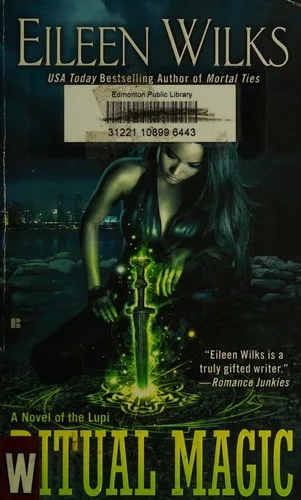
Eileen Wilks' 'Ritual Magic' (2005) examines how memory loss can be a magical attack.
The novel begins in 2005 with Lily's mother experiencing a sudden, severe regression of her memories. This event is not a natural illness but a deliberate act, suggesting an ancient, dark force at work. Lily, with the help of an associate named Rule, discovers that others are suffering similar memory obliterations. Their investigation into this pattern becomes a search for the source of this supernatural phenomenon.
The story connects memory and identity to unseen forces that influence life. It poses questions about the cosmos, old rituals, and truths hidden from everyday perception. The narrative builds suspense as Lily and Rule try to understand and combat this threat, confronting dangerous knowledge.
This work engages with esoteric traditions that posit a reality beyond the material, where consciousness and memory are not solely biological but can be influenced by external, often unseen, forces. It touches upon concepts of ritualistic magic as a means to manipulate these forces, suggesting that ancient practices can still hold power in the modern world. The book explores the idea that reality is layered, with hidden mechanisms and energies shaping human experience and perception.
💡 Why Read This Book?
For seekers of hidden truths and practitioners of the mystic arts, 'Ritual Magic' offers a compelling fictional exploration of memory manipulation as a potent magical act. It illuminates the interconnectedness of consciousness and the unseen forces that can influence it, prompting deep reflection on identity and forgotten lore. Ideal for those drawn to the occult, paranormal suspense, and the philosophical implications of magic.
⭐ Reader Reviews
Honest opinions from readers who have explored this book.
❓ Frequently Asked Questions
What is the central mystery of 'Ritual Magic'?
The core mystery revolves around a series of inexplicable memory losses occurring simultaneously, suggesting a ritualistic or magical attack targeting individuals' past experiences and identities.
What role does the FBI play in the story?
The FBI, represented by characters like Rule, becomes entangled in the investigation as they encounter phenomena that defy conventional scientific explanation, bridging the gap between the mundane and the supernatural.
Is 'Ritual Magic' a standalone novel?
While this specific plotline can be appreciated independently, it is part of a larger series, offering a deeper immersion into the characters and the world Wilks has created.
What kind of magic is depicted in the book?
The book alludes to potent, dark forms of magic, possibly involving psychic manipulation, astral projection, or ancient curses designed to erase or alter personal histories.
Who is the intended audience for this book?
The intended audience includes fans of paranormal romance, occult thrillers, and readers interested in speculative fiction that explores themes of magic, memory, and the supernatural.
🔮 Key Themes & Symbolism
The Fragility of Memory and Identity
This theme looks at how our memories are the very fabric of our identity. When these memories are systematically stripped away, the individual's sense of self begins to unravel, prompting questions about what truly constitutes a person. The narrative explores the terrifying vulnerability of the human psyche to external forces that seek to control or erase its history, mirroring esoteric concepts of the soul's journey and the importance of ancestral knowledge.
The Elements of Ancient Rituals
The book posits that current supernatural events are not isolated incidents but are rather the reverberations of ancient, potent rituals. These forgotten rites, steeped in arcane power, are shown to have lasting consequences that can manifest in the modern world. The investigation uncovers the possibility that a specific, dark ritual is being enacted, or has been enacted, to achieve the memory obliteration, linking contemporary paranormal activity to age-old magical practices and their enduring influence.
Bridging the Mundane and the Mystical
A central tension in 'Ritual Magic' lies in the collision of the rational, law-enforcement world of the FBI with the inexplicable and often terrifying area of the supernatural. Characters like Rule, who straddle both worlds, act as conduits, attempting to apply logic and deduction to phenomena that defy conventional understanding. This theme highlights the ever-present, often unseen, mystical forces that coexist with our everyday reality, and the challenges of recognizing and confronting them.
💬 Memorable Quotes
Direct passages from the work, attributed to the author.
“Some shadows are cast not by light, but by stolen truths.”
— This implies that darkness and malevolence can arise not from inherent evil, but from the deliberate concealment or removal of vital knowledge and personal histories.
“The veil between worlds thins when forgotten rituals are invoked.”
— This speaks to the esoteric belief that engaging in ancient magical practices can weaken the barriers separating our reality from other planes of existence or supernatural forces.
“To lose your past is to become a ghost in your own present.”
— This poignant observation underscores the devastating impact of memory loss, equating it to a form of existential death where one is disconnected from their own lived experience and identity.
“Darkness often wears the guise of forgotten wisdom.”
— This suggests that powerful, potentially dangerous magical knowledge can be hidden within seemingly benign or ancient lore, waiting to be rediscovered and misused.
💡 Key Ideas
Editorial paraphrase of the work's core concepts — not direct quotes.
Memory is not just recollection; it is the architecture of the soul.
This quote suggests that memories are more than passive recordings of events; they are active components that build and define our very essence and spiritual being.
🌙 Esoteric Significance
Tradition
The narrative draws heavily from Gnostic and Hermetic traditions, which emphasize the importance of hidden knowledge (gnosis) and the cyclical nature of existence. The concept of memory loss can be interpreted as a form of spiritual amnesia, a severing from one's divine spark or ancestral lineage. The investigation into synchronized attacks hints at collective unconscious phenomena or astral warfare, common themes in occult studies. The power of ritual itself, the act of intentional magic to shape reality, is a core part of these traditions.
Symbolism
Memory itself serves as a potent symbol, representing personal history, identity, and the individual's connection to the universal consciousness. The act of 'stealing' memories is symbolic of soul fragmentation or the severing of energetic ties. The number fifty-seven, Lily's mother's birthday, might carry numerological significance, while the FBI represents the rational mind's struggle to comprehend the irrational. The 'darkness' alluded to can symbolize the shadow self, primal forces, or the unknown aspects of the cosmos.
Modern Relevance
In an age saturated with information yet often lacking in deep meaning, the theme of lost memories is profoundly relevant. It speaks to the ephemeral nature of digital data versus the enduring power of lived experience. The book encourages a re-evaluation of what constitutes true knowledge and connection, urging readers to look beyond superficial understanding to the deeper currents of existence. The exploration of ritual magic also taps into a modern desire for agency and spiritual practice in a world that can feel increasingly disempowering.
👥 Who Should Read This Book
This novel is a compelling read for a many-sided audience. **Beginners** to paranormal fiction will find a gripping narrative with accessible occult elements and a strong romantic undertone. **Scholars** of esotericism and comparative mythology may appreciate the fictional exploration of memory manipulation, ritualistic practices, and the intersection of the mundane and mystical. **Seekers** drawn to themes of hidden knowledge, spiritual awakening, and the deeper mysteries of consciousness will find ample food for thought. **Practitioners** of magic may find inspiration in the novel's depiction of arcane forces and the potential consequences of their misuse, prompting reflection on their own craft.
📜 Historical Context
Published within the contemporary era, 'Ritual Magic' draws upon a body of occult and paranormal literature that has seen resurgences in popularity. The early 21st century has witnessed a renewed interest in esotericism, witchcraft, and the exploration of consciousness beyond empirical understanding, fueled by the internet and a growing dissatisfaction with purely materialist worldviews. The inclusion of government agencies like the FBI grappling with the inexplicable reflects a common trope in modern paranormal fiction, mirroring societal fascination with conspiracy theories and hidden truths. This context allows Wilks to explore themes of ancient magic interacting with modern skepticism and technology, a hallmark of contemporary speculative fiction that bridges the gap between the arcane past and our technologically advanced present.
📔 Journal Prompts
Reflect on a memory that significantly shaped your identity. How would your life differ if that memory were erased?
Imagine a 'forgotten ritual' that could have profound, unseen effects on the world today. What would it be and what would its impact be?
If your memories were like a library, what sections would be most precious, and what would be the greatest fear if those sections were lost?
Consider the concept of 'stolen truths.' What societal or personal truths do you believe are currently being obscured or forgotten?
How can we intentionally cultivate and protect our personal histories and ancestral knowledge in a rapidly changing world?
🗂️ Glossary
Gnosis
In esoteric traditions, particularly Gnosticism, gnosis refers to a special, intuitive knowledge or insight, often concerning the divine or the true nature of reality, attained through direct experience rather than empirical reasoning.
Hermeticism
A philosophical and religious tradition based on the writings attributed to Hermes Trismegistus. It emphasizes principles like 'As above, so below,' and explores alchemy, astrology, and theurgy as paths to spiritual understanding and transformation.
Theurgy
A system of ritualistic magic aimed at invoking divine beings or spiritual forces, not for personal gain, but for purification of the soul and communion with the divine, often seen as a form of 'divine work'.
Astral Projection
The concept of consciousness or the soul leaving the physical body to travel in an ethereal or astral plane, often associated with dreams, out-of-body experiences, and visionary journeys in occult lore.
Sympathetic Magic
A type of magic that operates on the principle that 'like produces like' or that 'a cause affects its similar at a distance.' It involves creating an effigy or using a representative object to affect the person or thing it resembles or is connected to.
This book appears in 2 collections
🔮 Readers Also Liked
Browse all →





More by Eileen Wilks
All books →
From the “Ritual Magic” Collection
View all →





More Free Magic & Ritual Books
View all →