W T Stead
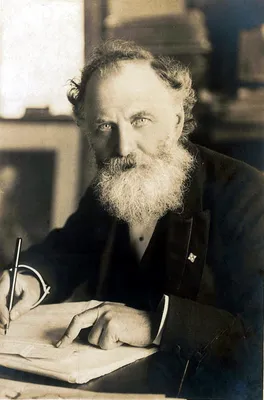
W.T. Stead was a pioneering English journalist known for investigative reporting and influencing public opinion, who died on the Titanic.
William Thomas Stead (1849–1912) was a prominent English newspaper editor and a trailblazer in investigative journalism, often stirring controversy during the Victorian era. He significantly impacted the media landscape with his "new journalism" approach, which laid the groundwork for modern British tabloids. Stead utilized his editorial positions, notably at The Pall Mall Gazette, to launch influential campaigns that shaped public discourse and government policy, advocating for "Government by Journalism."
His work focused on crucial social issues such as child welfare, legislative reform, and criminal justice. Stead's career was marked by bold reporting, including the "Maiden Tribute of Modern Babylon" series, which exposed child prostitution and led to legislative changes, despite resulting in his own brief imprisonment on technical charges. He also championed naval preparedness and social housing. Stead's life ended tragically when he perished in the sinking of the RMS Titanic.
Pioneering Investigative Journalism
William Thomas Stead was a transformative figure in journalism, recognized for his pioneering work in investigative reporting. He developed a distinctive style known as "new journalism," which involved incorporating innovative elements like maps, diagrams, and eye-catching subheadings into newspaper layouts. Stead also blended his personal viewpoints with the voices of those he interviewed, creating a more engaging and persuasive narrative. This approach not only influenced contemporary journalism but also paved the way for the modern tabloid press in Great Britain. His ability to mobilize public opinion and influence government policy through his reporting was a hallmark of his career, leading him to advocate for "Government by Journalism."
Social Reform and Advocacy
A significant aspect of Stead's journalistic career was his deep commitment to social reform and advocacy. He was particularly dedicated to issues of child welfare and the reformation of England's criminal codes. His influential campaigns often targeted social injustices, such as his exposé "The Maiden Tribute of Modern Babylon." This series, which investigated child prostitution, was instrumental in raising the age of consent from 13 to 16, leading to the "Stead Act." Despite the success of this campaign, Stead himself faced legal consequences, being convicted on charges related to his methods in exposing the trade. He also played a role in campaigns to repeal the Contagious Diseases Acts, which had mandated medical examinations for prostitutes.
Influence and Legacy
Stead's impact extended beyond individual campaigns, significantly shaping the role of the press in public life. He is remembered as "the most famous journalist in the British Empire" and is credited with demonstrating how the press could be a powerful tool for influencing public opinion and government policy. His work at The Pall Mall Gazette, where he served as editor, saw him transform a traditionally staid publication into a platform for impactful social commentary and crusades. His innovative techniques and moral mission guided his editorial decisions, leaving a lasting legacy on journalistic practices and the public's perception of the media's power.
Key Ideas
- Investigative journalism pioneer
- "New Journalism" advocate
- "Government by Journalism" proponent
- Child welfare and social reform focus
- Using press to influence public opinion and policy
Books by W T Stead
1 free public domain book · Read online or download