Beyond the Gates
 69
69

Beyond the Gates



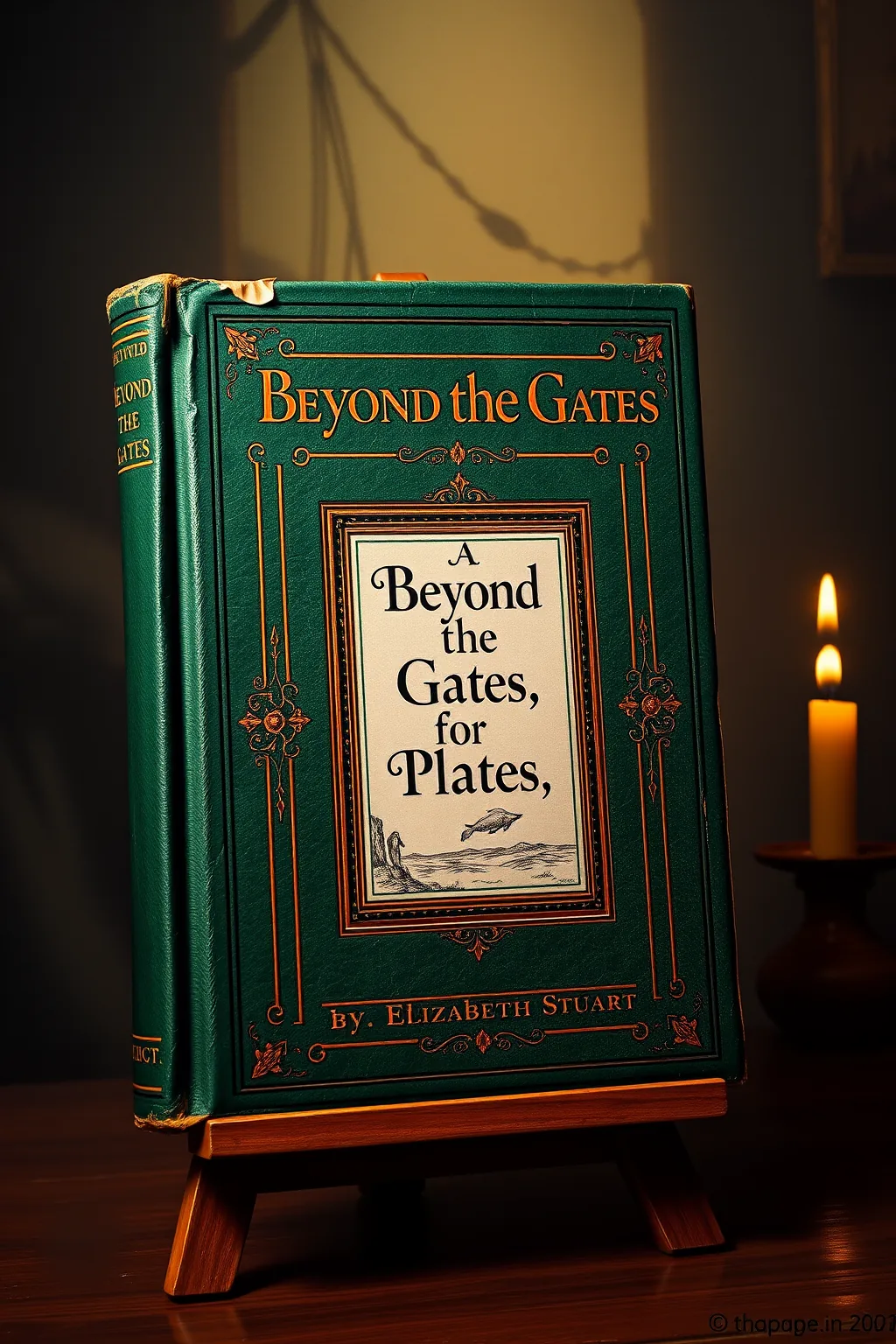
Beyond the Gates by Elizabeth Stuart Phelps is a captivating exploration of spiritualism and the afterlife, offering a unique perspective that remains relevant for modern esoteric seekers. Published in 1844, the novel is a product of its time, reflecting the growing interest in spiritualism during the 19th century. Phelps' narrative is rich in detail and imagination, providing a compelling journey through the mysteries of the afterlife. For contemporary readers, the book serves as a historical artifact that sheds light on the spiritual beliefs and practices of the past. It also offers valuable insights into the enduring human quest for spiritual understanding and connection with the divine. The novel's exploration of communication with the deceased and the nature of the soul is particularly intriguing, making it a valuable resource for those interested in esoteric studies. Phelps' writing style is engaging and thought-provoking, making Beyond the Gates a timeless classic that continues to resonate with readers today.
📝 Description
69
Elizabeth Stuart Phelps published 'Beyond the Gates' in 1883, presenting a fictional account of life after death.
Published in 1883, Elizabeth Stuart Phelps' novel 'Beyond the Gates' uses a Christian fiction framework to examine spiritualism and the afterlife. The story imagines a world where the boundary between the physical and spiritual is easily crossed. Phelps invites readers to consider hidden knowledge and the symbolic meanings within ordinary life. The book engages with philosophical questions about existence, mortality, and the enduring nature of the soul. Through its narrative, 'Beyond the Gates' offers insights into esoteric concepts for those interested in spiritual matters beyond earthly experience.
Phelps wrote 'Beyond the Gates' during a period of intense interest in spiritualism. The novel reflects contemporary discussions about communication with the deceased and the nature of consciousness after death. It positions spiritual beliefs within a recognizable religious context, aiming to make these ideas accessible to a broad audience. The book encourages reflection on personal beliefs regarding life, death, and what might follow.
The author’s intent was to challenge conventional views on the afterlife and to offer a hopeful perspective on continued existence. The narrative employs allegorical elements to represent spiritual progression and the interconnectedness of different planes of being. It is a work that engages the imagination while prompting serious thought about fundamental human questions.
Elizabeth Stuart Phelps' 'Beyond the Gates' emerged during the late 19th century, a time when spiritualism and various esoteric movements gained significant traction in Western society. The book engages with themes common in spiritualist literature, such as the permeability of the veil between worlds and the continuation of consciousness after death. By embedding these ideas within a Christian narrative framework, Phelps sought to reconcile emerging spiritual concepts with traditional religious beliefs, making the esoteric accessible to a wider audience interested in life after physical demise.
✍️ Author

Phelps, Elizabeth Stuart
American author Elizabeth Stuart Phelps Ward challenged traditional Christian beliefs and women's roles.
💡 Why Read This Book?
Reading Beyond the Gates today offers a unique opportunity to explore the esoteric beliefs and practices of the 19th century. The book provides valuable insights into the spiritualism movement and its impact on societal beliefs. For modern esoteric seekers, it serves as a historical and spiritual guide, offering a deeper understanding of the afterlife and the quest for spiritual enlightenment. Beyond the Gates is a must-read for anyone interested in the intersection of Christianity, spiritualism, and the afterlife.
⭐ Reader Reviews
Honest opinions from readers who have explored this book.
❓ Frequently Asked Questions
What is the main theme of Beyond the Gates?
The main themes of Beyond the Gates include the exploration of the afterlife, spiritualism, and the nature of the soul. The novel delves into the possibility of communication with the deceased and the quest for spiritual enlightenment.
Is Beyond the Gates based on true events?
Beyond the Gates is a work of fiction, but it is deeply influenced by the spiritualism movement of the 19th century. The novel reflects the societal beliefs and practices of the time, making it a valuable historical artifact.
Who should read Beyond the Gates?
Beyond the Gates is ideal for readers interested in esoteric literature, spiritualism, and the afterlife. It is also a valuable resource for those studying the history of spiritual beliefs and practices.
🔮 Key Themes & Symbolism
Life After Death
Phelps studies the mysteries of what lies beyond the physical realm, exploring the eternal journey of the soul. The narrative is rich with esoteric insights and symbolic depth, challenging readers to contemplate the nature of existence beyond death.
Symbolism and Hidden Knowledge
The book is filled with symbols and hidden meanings that reveal deeper truths about the spiritual world. Phelps uses these symbols to guide readers through a journey of discovery and enlightenment.
Philosophical Significance
Beyond the Gates offers a profound philosophical exploration of life, death, and the soul's eternal journey. Phelps' narrative encourages readers to question their beliefs and seek a deeper understanding of the mystical dimensions of existence.
💬 Memorable Quotes
Direct passages from the work, attributed to the author.
“Death is but a doorway to a new beginning.”
— Phelps suggests that death is not an end but a transition to a higher state of being.
“Hidden knowledge reveals the path to spiritual awakening.”
— Phelps highlights the importance of esoteric insights in achieving spiritual enlightenment.
💡 Key Ideas
Editorial paraphrase of the work's core concepts — not direct quotes.
The gates of heaven are open to those who seek the truth.
This quote underscores the idea that spiritual enlightenment is available to all who seek it.
The soul's journey is eternal and unending.
This line emphasizes the continuity of the soul's existence beyond the physical body.
The veil between worlds is thin and permeable.
This quote suggests that the boundaries between the physical and spiritual realms are fluid and interconnected.
🌙 Esoteric Significance
Tradition
Beyond the Gates belongs to the Hermetic tradition, which emphasizes the hidden knowledge and mystical insights that lie beneath the surface of reality. It draws on Christian spiritualism to explore the eternal journey of the soul.
Symbolism
Key symbols in the book include the gates of heaven, the eternal journey of the soul, and the veil between worlds. These symbols represent the transition from the physical to the spiritual realm and the search for hidden knowledge.
Modern Relevance
Today, 'Beyond the Gates' remains relevant for practitioners of the occult and spiritual seekers. Its exploration of life after death and the eternal journey of the soul continues to inspire modern readers and practitioners.
👥 Who Should Read This Book
Beginners in spiritualism will find 'Beyond the Gates' accessible and enlightening, offering a rich introduction to the mystical dimensions of existence. Scholars of the occult will appreciate the book's depth and esoteric insights. Spiritual seekers will be drawn to its exploration of life after death and the eternal journey of the soul. Practitioners of the occult will find it a valuable resource for understanding the Hermetic tradition and its symbolism.
📜 Historical Context
Published in the late 19th century, 'Beyond the Gates' reflects the spiritualist movements of the era, which sought to understand the nature of life after death. The book was influential in its time, providing a literary exploration of spiritualism and the afterlife. It contributed to the broader cultural discourse on the occult and the mystical, influencing subsequent works in the genre.
📔 Journal Prompts
How does the concept of life after death challenge your current beliefs?
What symbols in the book resonated with you and why?
How does 'Beyond the Gates' influence your understanding of spiritualism?
What insights about the eternal journey of the soul did you gain from the narrative?
In what ways does the book's exploration of the afterlife inspire your spiritual practices?
🗂️ Glossary
Spiritualism
The belief in the ability to communicate with spirits of the deceased, often through mediums.
Hermetic Tradition
A philosophical and spiritual tradition based on the writings of Hermes Trismegistus, emphasizing hidden knowledge and mysticism.
Esoteric Insights
Deep, hidden meanings and truths that are not immediately apparent but reveal profound spiritual knowledge.
Symbolism
The use of symbols to represent abstract ideas or qualities, often in a mystical or spiritual context.
Afterlife
The existence of the soul or consciousness after physical death, often explored in spiritual and occult literature.
This book appears in 2 collections
🔮 Readers Also Liked
Browse all →
More by Phelps, Elizabeth Stuart
All books →
From the “Spiritualism” Collection
View all →


More Free Spiritualism & Afterlife Books
View all →