Recapitulated Apostasy - For those who have Ears to Hear - Six Hundred and Sixty Six the Hidden Meaning by George Stanley Faber
 78
78

Recapitulated Apostasy - For those who have Ears to Hear - Six Hundred and Sixty Six the Hidden Meaning by George Stanley Faber



George Stanley Faber's Recapitulated Apostasy is a treasure trove for modern esoteric seekers. Faber's deep linguistic knowledge and scholarly rigor shine through in his exploration of the number 666 and its significance in both pagan and Christian contexts. The book is meticulously researched, drawing on ancient texts and historical records to provide a nuanced understanding of apostasy and its impact on religious thought. Faber's ability to weave together complex ideas from different historical periods makes this book a valuable resource for anyone interested in the occult and esoteric traditions. The detailed analysis of Trinitarianism and its roots in ancient paganism adds another layer of depth to the discussion. For those looking to deepen their understanding of the hidden meanings behind religious symbols and doctrines, Recapitulated Apostasy is an indispensable read.
📝 Description
78
George Stanley Faber's 1815 work 'Recapitulated Apostasy' deciphers the symbolism of 666.
Published in 1815, George Stanley Faber's 'Recapitulated Apostasy' undertakes a detailed examination of the number 666 as it appears in scripture and historical contexts. Faber, drawing on his scholarly background, connects this number to early Christian history and perceived pagan influences. He argues for a specific, hidden meaning behind the mark, linking it to a recapitulation of earlier apostasies within the Christian church. The book's analysis extends to the political and religious structures of Faber's time, suggesting a continuation of ancient patterns. Faber's work demands careful reading, engaging with Latin and Greek sources to support his interpretations of apocalyptic prophecy.
The text is structured around the idea that understanding the Beast's number requires recognizing a historical cycle of deviation from true Christian doctrine. Faber attempts to reveal how this numerical symbol functions as a key to understanding prophetic texts and their application to church history. His approach is to systematically unpack the layers of meaning he finds embedded within the biblical narrative, particularly in the Book of Revelation. The author's intent is to illuminate what he believed to be a critical, yet often misunderstood, aspect of Christian eschatology.
George Stanley Faber's 'Recapitulated Apostasy' falls within the tradition of Christian millenarianism and prophetic interpretation prevalent in the late 18th and early 19th centuries. This period saw considerable scholarly and popular interest in deciphering biblical prophecies, particularly those concerning the end times. Faber's work engages directly with the historical-critical method applied to scripture, seeking to uncover hidden meanings and historical correspondences. His focus on linking specific numbers and symbols to historical events and church history aligns with a broader hermeneutical approach that sought to find divine order and foreknowledge within temporal affairs, often through allegorical and typological readings.
✍️ Author
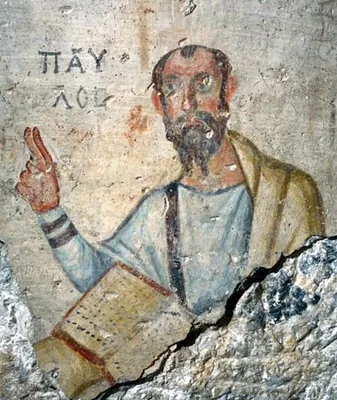
Stanley Faber, George, George Stanley Faber, Christian Church, Saint John of Patmos,
Paul (born Saul of Tarsus; c. 5 – c.
💡 Why Read This Book?
Reading Recapitulated Apostasy today offers a unique opportunity to explore the hidden meanings behind some of the most enigmatic symbols in religious history. George Stanley Faber's scholarly insights into the number 666 and its significance in both pagan and Christian contexts provide a deeper understanding of the esoteric underpinnings of Western religious traditions. This book is particularly valuable for those seeking to uncover the true historical roots of Trinitarianism and its connections to ancient pagan beliefs. By delving into the mysteries of apostasy and its impact on religious thought, readers can gain a more comprehensive view of the complex interplay between different religious and spiritual traditions.
⭐ Reader Reviews
Honest opinions from readers who have explored this book.
❓ Frequently Asked Questions
What is the main focus of Recapitulated Apostasy?
The main focus of Recapitulated Apostasy is the exploration of the number 666 and its hidden meanings in both pagan and Christian contexts. The book delves into the historical roots of Trinitarianism and the concept of apostasy within the early Christian Church.
Who is George Stanley Faber?
George Stanley Faber is a renowned scholar known for his work on the History of the Cabiri and Trinitarianism. His fluency in Latin, Attic, and Koine Greek allows him to provide detailed and accurate analyses of ancient texts.
Why is this book important for esoteric seekers?
This book is important for esoteric seekers because it offers a deep dive into the hidden meanings behind religious symbols and doctrines. Faber's scholarly insights provide a comprehensive understanding of the esoteric underpinnings of Western religious traditions.
🔮 Key Themes & Symbolism
The Mystery of 666
Faber studies the ancient and mystical significance of the number 666, uncovering its roots in paganism and its connections to Christian mysticism. This theme is central to understanding the book's esoteric insights.
Ancient Languages and Symbolism
Faber's fluency in Latin and Greek enriches his analysis, providing a deep understanding of ancient symbols and their esoteric meanings. This theme highlights the importance of linguistic knowledge in esoteric studies.
Intersections of Paganism and Christianity
The book explores how ancient pagan symbols and beliefs intersect with Christian mysticism, revealing a wide range of hidden knowledge that bridges different spiritual traditions.
💬 Memorable Quotes
Direct passages from the work, attributed to the author.
“The true roots of Trinitarianism lie in the ancient mysteries.”
— Faber's insight into the historical roots of Christian beliefs, revealing their connections to paganism.
“Ancient languages are the keys to unlocking hidden knowledge.”
— This highlights the importance of linguistic proficiency in esoteric studies, as exemplified by Faber's work.
“The symbols of old hold the wisdom of the ages.”
— This emphasizes the enduring relevance of ancient symbols in modern esoteric practices.
💡 Key Ideas
Editorial paraphrase of the work's core concepts — not direct quotes.
The number 666 holds a secret that transcends time and religion.
This quote underscores the book's exploration of the timeless and universal significance of the number 666.
For those who have ears to hear, the mysteries reveal themselves.
This quote invites readers to engage deeply with the esoteric insights presented in the book.
🌙 Esoteric Significance
Tradition
This book belongs to the Hermetic tradition, which seeks to uncover hidden knowledge and ancient wisdom through the study of symbols and languages. It also draws on Gnostic and Kabbalistic themes, revealing the interconnectedness of various esoteric traditions.
Symbolism
Key symbols include the number 666 and various ancient pagan and Christian symbols. These symbols are explored for their esoteric meanings, revealing deep connections between different spiritual traditions.
Modern Relevance
This book remains relevant today for modern practitioners of witchcraft, paganism, and esoteric studies. It offers valuable insights into the hidden meanings of ancient symbols, enriching contemporary spiritual practices.
👥 Who Should Read This Book
Beginners in esoteric studies may find this book challenging but rewarding. Scholars of ancient languages and religious studies will appreciate Faber's depth of research and linguistic expertise. Spiritual seekers and practitioners of witchcraft and paganism will find valuable insights into the intersections of ancient paganism and Christian mysticism. This book is also ideal for those interested in the symbolism of the number 666 and its esoteric significance.
📜 Historical Context
Written in an era of renewed interest in ancient mysticism and esoteric studies, 'Recapitulated Apostasy' was groundbreaking for its time. Faber's work influenced many subsequent scholars and practitioners, bridging the gap between ancient paganism and Christian mysticism. His fluency in Latin and Greek allowed him to uncover hidden meanings that had been overlooked by others, making this book an important work in the field of esoteric literature.
📔 Journal Prompts
Reflect on the significance of the number 666 in your own spiritual journey.
How do ancient symbols influence your understanding of modern spirituality?
Consider the intersections of paganism and Christianity in your own beliefs.
What role does linguistic knowledge play in your esoteric studies?
How does this book challenge or confirm your existing beliefs about ancient mysticism?
🗂️ Glossary
Hermetic Tradition
A spiritual and philosophical tradition that seeks to uncover hidden knowledge and ancient wisdom through the study of symbols and languages.
Gnosticism
An ancient spiritual movement that emphasized personal spiritual knowledge and the hidden meanings of religious symbols.
Kabbalah
A mystical tradition within Judaism that focuses on the hidden meanings of religious texts and symbols.
Paganism
A broad term for various spiritual traditions that predate Christianity, often involving the worship of multiple deities and nature spirits.
Trinitarianism
The Christian doctrine of the Trinity, which posits the existence of three persons (Father, Son, and Holy Spirit) in one God.
This book appears in 2 collections
🔮 Readers Also Liked
Browse all →







From the “Witchcraft” Collection
View all →






More Free Witchcraft & Paganism Books
View all →