The Pagan Madonna
 69
69

The Pagan Madonna



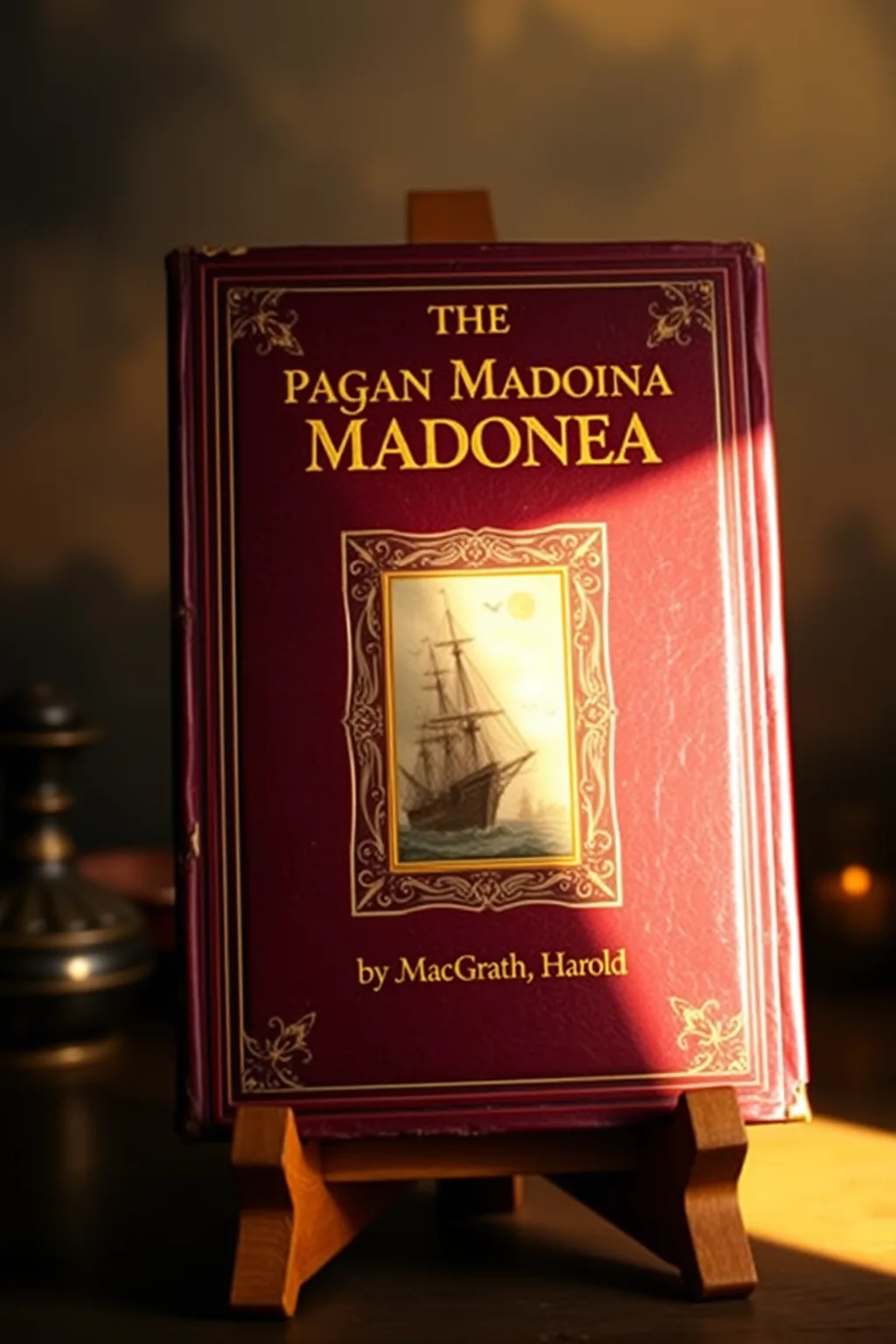
'The Pagan Madonna' by Harold MacGrath is a hidden gem for modern esoteric seekers. Published in 1871, this novel seamlessly blends adventure, mystery, and occult themes, creating a rich tapestry of storytelling that resonates with contemporary readers. MacGrath's use of pagan symbolism and esoteric references adds layers of depth to the narrative, making it a valuable resource for those interested in the mystical and the supernatural. The book's exploration of chance and fate, set against the backdrop of ocean travel and piracy, provides a unique perspective on the human experience. For modern readers, 'The Pagan Madonna' offers a window into the past, allowing them to explore ancient beliefs and rituals through the lens of classic literature. The novel's enduring appeal lies in its ability to captivate and intrigue, making it a worthwhile addition to any esoteric library.
📝 Description
69
Harold MacGrath published 'The Pagan Madonna' in 1912, a novel mixing adventure with esoteric themes.
Set in 1912, Harold MacGrath's 'The Pagan Madonna' follows a group on a perilous sea voyage that becomes entangled with pirate threats and a mysterious artifact. The story unfolds against a backdrop of oceanic adventure, where the characters encounter elements that challenge their understanding of reality. The narrative weaves together plot points involving hidden knowledge and symbolic meaning, creating a fictional world where the material and the spiritual seem to intersect.
This novel offers readers a glimpse into concepts of fate and the unseen forces that influence human lives. Its structure invites contemplation on the interplay between chance and destiny. For those interested in paganism and witchcraft, the book contains layers of symbolism that may resonate with their practices and spiritual inquiries.
Published in the early 20th century, 'The Pagan Madonna' emerged during a period of increased interest in spiritualism and esoteric traditions in the Western world. While framed as an adventure story, its incorporation of symbolic elements and notions of unseen forces aligns with a broader cultural exploration of mysticism. The book touches upon themes common in occult literature of the time, such as the power of ancient artifacts and the idea that reality possesses hidden dimensions.
✍️ Author
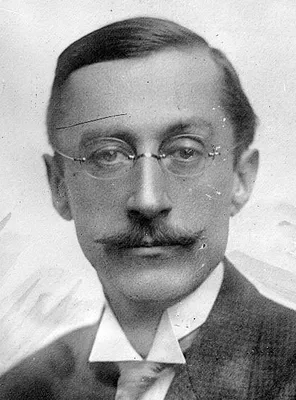
MacGrath, Harold
Harold MacGrath (September 4, 1871 – October 30, 1932) was a bestselling and prolific American novelist, short story writer, and screenwriter. He sometimes completed more than one novel per year for the mass market, covering romance, spies, mystery, and ad…
💡 Why Read This Book?
Reading 'The Pagan Madonna' today offers a unique blend of historical insight and esoteric exploration. The book provides a rich tapestry of pagan symbolism and occult references, making it an invaluable resource for modern esoteric seekers. Through its engaging narrative and mysterious plot, readers gain a deeper understanding of ancient beliefs and rituals, all while enjoying a captivating adventure story. This book is perfect for those looking to expand their knowledge of the esoteric while indulging in a classic tale of mystery and intrigue.
⭐ Reader Reviews
Honest opinions from readers who have explored this book.
❓ Frequently Asked Questions
What are the main themes in 'The Pagan Madonna'?
The main themes in 'The Pagan Madonna' include the exploration of pagan symbolism, the supernatural, and the mysteries of chance and fate. The novel also delves into the cultural and spiritual beliefs of the late 19th century, providing a rich historical context.
Who should read 'The Pagan Madonna'?
This book is ideal for readers interested in esoteric literature, mystery fiction, and historical adventure stories. It is particularly appealing to those who enjoy exploring the occult and pagan themes within classic literature.
What makes 'The Pagan Madonna' a valuable read for modern esoteric seekers?
'The Pagan Madonna' offers a unique blend of historical insight and esoteric exploration, making it a valuable resource for modern readers. The novel's rich use of pagan symbolism and occult references provides a deeper understanding of ancient beliefs and rituals.
🔮 Key Themes & Symbolism
Chance and Fate
The novel looks at the mystical interplay of chance and fate, exploring how unseen forces shape our lives. This theme is particularly resonant for those interested in the occult, as it invites readers to consider the hidden dimensions of reality.
Symbolism and Hidden Knowledge
MacGrath's use of strong symbolism and hidden knowledge enriches the narrative, making it a rich source for seekers of esoteric wisdom. The symbols and motifs woven throughout the story offer layers of meaning that deepen the reading experience.
Mystical Dimensions of the Sea
The ocean serves as a powerful backdrop, representing the vast and mysterious forces of the universe. This theme appeals to practitioners of witchcraft and paganism, who often draw on the symbolic power of the sea in their spiritual practices.
💡 Key Ideas
Editorial paraphrase of the work's core concepts — not direct quotes.
'The sea is a vast and mysterious realm, where the boundaries between the physical and spiritual worlds blur.'
This quote underscores the novel's exploration of the mystical dimensions of the ocean.
'Chance and fate are the unseen hands that guide our lives, shaping our destinies in ways we cannot comprehend.'
This passage highlights the book's central theme of the interplay between chance and fate.
'The Pagan Madonna' is a journey into the heart of the unknown, where hidden knowledge and symbolism reveal the deeper truths of existence.'
This quote expresses the book's esoteric insights and its appeal to seekers of hidden wisdom.
'The pirates of the high seas are more than mere outlaws; they are symbols of the wild and untamed spirit that dwells within us all.'
This line emphasizes the symbolic power of the pirate motif in the novel.
'In the vast expanse of the ocean, we find a reflection of the infinite mysteries of the universe.'
This quote underscores the novel's exploration of the mystical dimensions of the sea.
🌙 Esoteric Significance
Tradition
'The Pagan Madonna' belongs to the Hermetic tradition, which emphasizes the interconnectedness of all things and the pursuit of hidden knowledge. The novel's exploration of chance, fate, and symbolism aligns with Hermetic principles, making it a valuable text for those interested in this esoteric tradition.
Symbolism
Key symbols in the book include the ocean, representing the vast and mysterious forces of the universe, and the pirate, symbolizing the wild and untamed spirit within us. These symbols are woven throughout the narrative, offering layers of meaning for readers to explore.
Modern Relevance
Today, 'The Pagan Madonna' remains relevant for practitioners of witchcraft and paganism, who continue to draw on its esoteric insights and symbolism. The book's exploration of chance, fate, and the mystical dimensions of the sea appeals to modern seekers of hidden knowledge and spiritual truth.
👥 Who Should Read This Book
Beginners interested in the occult and esoteric traditions will find 'The Pagan Madonna' an accessible and engaging introduction. Scholars of esoteric literature will appreciate the novel's strong symbolism and philosophical depth. Spiritual seekers and practitioners of witchcraft and paganism will find layers of meaning and hidden knowledge that enrich their spiritual journeys. The book is also ideal for readers of adventure stories and mystery fiction, offering a combination of excitement and esoteric insight.
📜 Historical Context
Published in the early 20th century, 'The Pagan Madonna' reflects the era's fascination with adventure and the occult. The novel's exploration of ocean travel and pirate lore taps into the romanticized view of the high seas that was popular during this time. The book's influence can be seen in later works of mystery fiction and esoteric literature, which often draw on similar themes and motifs. MacGrath's ability to blend adventure with mystical elements made 'The Pagan Madonna' a standout work in its time and continues to resonate with readers today.
📔 Journal Prompts
How does the novel's exploration of chance and fate resonate with your own experiences?
What symbols in 'The Pagan Madonna' stand out to you and why?
In what ways does the ocean serve as a powerful backdrop in the story?
How does the book's Hermetic themes influence your understanding of the interconnectedness of all things?
What insights from the novel can you apply to your own spiritual or esoteric practices?
🗂️ Glossary
Hermetic Tradition
An esoteric tradition that emphasizes the pursuit of hidden knowledge and the interconnectedness of all things.
Esoteric
Relating to knowledge that is intended for a small, specific group of people, often involving mystical or occult themes.
Symbolism
The use of symbols to represent ideas or qualities, often in a way that adds depth and meaning to a narrative.
Occult
Relating to mystical, supernatural, or secret knowledge, often involving practices like witchcraft or divination.
Divination
The practice of seeking knowledge of the future or the unknown through supernatural means.
This book appears in 2 collections
🔮 Readers Also Liked
Browse all →

From the “Witchcraft” Collection
View all →






More Free Witchcraft & Paganism Books
View all →