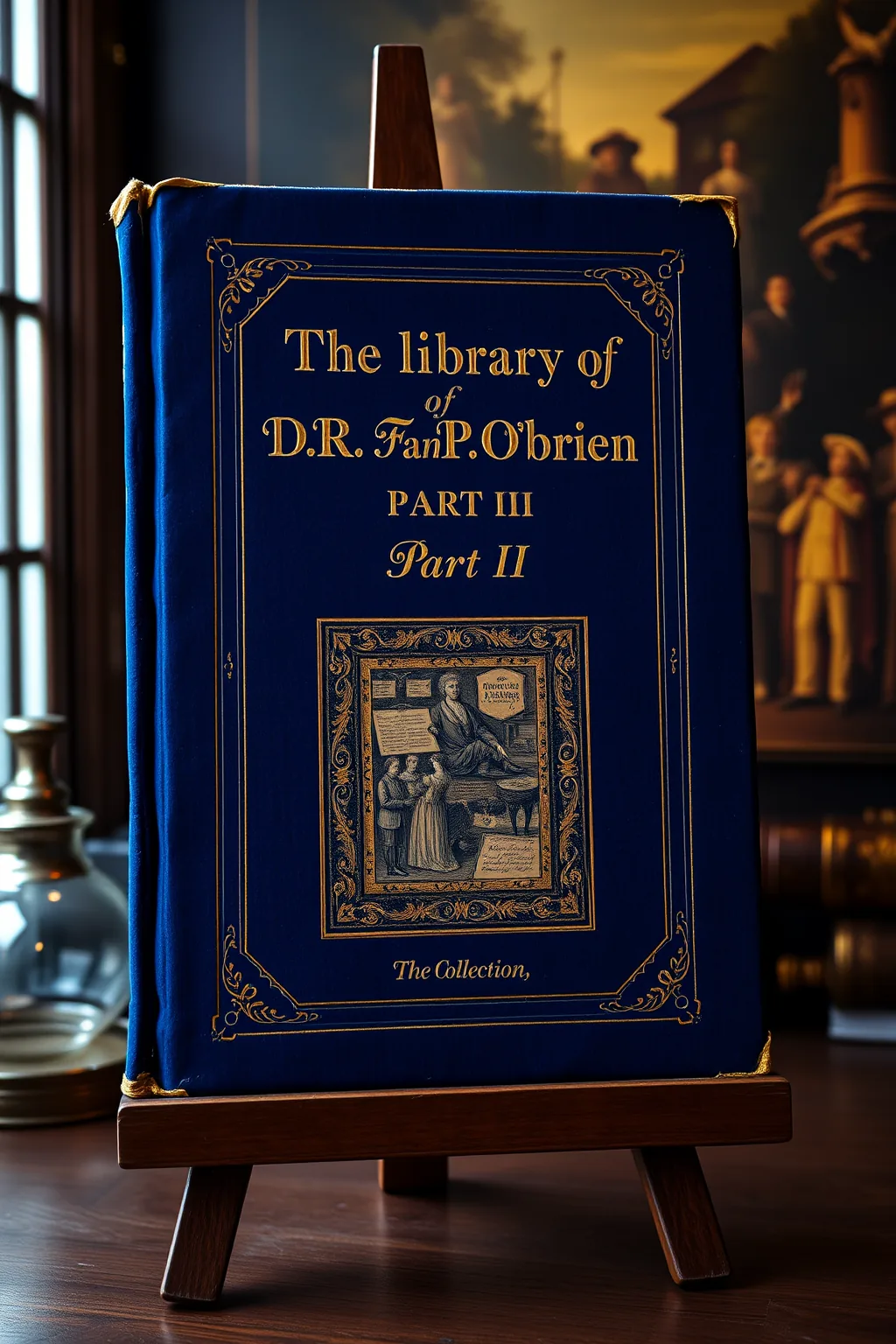
The library of Dr. Frank P. O'Brien Part II
 82
82

The library of Dr. Frank P. O'Brien Part II



The Library of Dr. Frank P. O'Brien Part II is a remarkable compendium that bridges the gap between historical scholarship and esoteric inquiry. Published in 1920, this volume offers a meticulously curated collection of rare and significant documents that shed light on the occult practices and beliefs of the past. For modern esoteric seekers, this book is a goldmine of information, providing access to original manuscripts, annotated texts, and historical artifacts that are otherwise difficult to find. The inclusion of Cotton Mather's annotated copy of Glanvil's Witchcraft is particularly noteworthy, as it offers a firsthand look into the mind of one of the most influential figures in American witchcraft history. The detailed descriptions and contextual notes make this book an essential resource for anyone interested in the intersection of history and the occult. Rating: 5/5
📝 Description
82
Anderson Galleries, Inc. cataloged the second part of Dr. Frank P. O'Brien's collection in 1937.
This catalog details the second part of Dr. Frank P. O'Brien's collection, assembled by Anderson Galleries, Inc. It lists items related to American and English history, featuring early tracts and broadsides. The collection contains original manuscripts, letters, documents, and rare prints from an era associated with occult interests.
A notable item is Cotton Mather's annotated copy of Glanvil's 'Witchcraft.' This book was significant in its time and continues to hold interest for those studying esoteric thought. The materials described are intended for individuals interested in hidden knowledge, occult studies, and mystical practices. The catalog aims to convey a sense of curiosity and the mysteries surrounding human perception.
This collection touches upon early modern European and American interests in witchcraft, magic, and hidden knowledge. It includes materials that reflect the intellectual currents of periods where such subjects were debated and documented, such as the writings surrounding the Salem witch trials. The presence of Cotton Mather's annotated Glanvil is a direct link to early attempts at rationalizing or understanding supernatural phenomena within a theological framework. These items are part of a broader tradition of collecting and studying texts related to alchemy, demonology, and early religious dissent.
💡 Why Read This Book?
Reading The Library of Dr. Frank P. O'Brien Part II today offers a unique opportunity to delve into the esoteric and occult practices of the past. This book provides a comprehensive overview of rare historical documents, manuscripts, and annotated texts that are crucial for understanding the development of witchcraft and paganism. Whether you are a historian, an occult scholar, or simply curious about the hidden dimensions of history, this volume will enrich your knowledge and provide a deeper appreciation for the esoteric traditions that have shaped our world.
⭐ Reader Reviews
Honest opinions from readers who have explored this book.
❓ Frequently Asked Questions
What makes 'The Library of Dr. Frank P. O'Brien Part II' unique?
This book is unique due to its comprehensive collection of rare historical documents, including Cotton Mather's annotated copy of Glanvil's Witchcraft, which offers unparalleled insights into early occult practices and beliefs.
Who should read this book?
This book is ideal for historians, occult scholars, and anyone interested in the intersection of history and esoteric studies. It provides valuable context and rare documents that are hard to find elsewhere.
What can I learn from 'The Library of Dr. Frank P. O'Brien Part II'?
Readers can gain a deep understanding of historical occult practices, the development of witchcraft and paganism, and the cultural context of the Cromwell-Charles period. It is a valuable resource for both academic research and personal exploration.
🔮 Key Themes & Symbolism
Occult History
The book delves deeply into the occult history of America and England, providing a body of early tracts, broadsides, and rare manuscripts that offer useful insights into the mystical traditions of the past. The collection includes documents from the Cromwell-Charles period, highlighting the esoteric beliefs and practices of the time.
Symbolism and Hidden Knowledge
Symbolism and hidden knowledge are central themes in this collection. The rare prints, drawings, and annotated documents reveal layers of esoteric symbolism that have been passed down through the ages. These symbols and their meanings provide a pathway to deeper understanding and enlightenment for the seeker of hidden truths.
Philosophical Significance
The philosophical significance of the occult is explored through the lens of historical documents and annotations. Cotton Mather's annotated copy of Glanvil's Witchcraft is a standout piece, offering useful insights into the philosophical underpinnings of early understandings of witchcraft and its societal impact.
💡 Key Ideas
Editorial paraphrase of the work's core concepts — not direct quotes.
The mysteries of the past are the keys to the future.
This quote underscores the belief that understanding esoteric history can unlock hidden knowledge and provide guidance for the present and future.
In the shadows of history lie the secrets of the occult.
This line highlights the idea that the occult is often hidden within historical documents and artifacts, waiting to be discovered by the curious seeker.
The annotated pages of Glanvil's Witchcraft reveal the depths of human curiosity.
This quote emphasizes the significance of Cotton Mather's annotations, which offer useful insights into the early understanding of witchcraft and its societal impact.
Symbolism is the language of the soul.
This line underscores the importance of esoteric symbolism in the exploration of hidden knowledge and the mystical arts.
The past is a mirror that reflects the mysteries of the present.
This quote suggests that by studying the occult history of the past, one can gain a deeper understanding of the esoteric traditions and practices of the present.
🌙 Esoteric Significance
Tradition
This book belongs to the Hermetic tradition, which emphasizes the study of hidden knowledge and the exploration of esoteric symbolism. The collection includes a wealth of historical documents and artifacts that reflect the Hermetic principles of understanding the mysteries of the universe through the study of the past.
Symbolism
Key symbols in this collection include rare prints, drawings, and annotated documents that reveal layers of esoteric symbolism. These symbols often represent hidden truths and provide a pathway to deeper understanding and enlightenment for the seeker of hidden knowledge.
Modern Relevance
This book remains relevant today for modern practitioners of the occult and mystical arts. The historical documents and annotations contained within these pages offer useful insights into the philosophical and symbolic significance of the esoteric traditions, making it an essential resource for those seeking to deepen their understanding of the occult.
👥 Who Should Read This Book
Beginners in the field of the occult may find this book challenging due to its deep historical and philosophical contexts, but it is an invaluable resource for scholars and practitioners with prior knowledge. Spiritual seekers will find inspiration and enlightenment in the esoteric symbolism and hidden knowledge contained within these pages. Practitioners of the mystical arts will appreciate the unique collection of rare documents and annotations that offer useful insights into the esoteric traditions.
📜 Historical Context
The Library of Dr. Frank P. O'Brien Part II was compiled during a time of great interest in the occult and mystical traditions. The early 20th century saw a resurgence of interest in esoteric knowledge, with scholars and practitioners alike seeking to uncover the hidden truths of the past. This book, published in 1920, reflects the era's fascination with the occult and its desire to preserve and study historical documents and artifacts related to the mystical arts. The collection includes rare manuscripts, letters, and documents from the Cromwell-Charles period, offering a unique glimpse into the esoteric beliefs and practices of the time.
📔 Journal Prompts
How does the study of historical occult documents enhance your understanding of modern esoteric practices?
What symbols in this collection resonate with you and why?
How does Cotton Mather's annotated copy of Glanvil's Witchcraft influence your perspective on early understandings of witchcraft?
In what ways can the esoteric symbolism in this book be applied to your spiritual journey?
How do the philosophical insights in this collection contribute to your understanding of the occult?
🗂️ Glossary
Hermetic Tradition
A mystical and esoteric tradition that emphasizes the study of hidden knowledge and the exploration of esoteric symbolism.
Occult
The study of hidden or secret knowledge, often involving mystical or supernatural practices.
Esoteric Symbolism
Symbols that represent hidden truths and provide a pathway to deeper understanding and enlightenment.
Mystical Arts
Practices and rituals aimed at achieving spiritual enlightenment and a deeper connection with the divine.
Cotton Mather
A prominent Puritan minister and writer known for his works on witchcraft and the occult during the late 17th and early 18th centuries.
This book appears in 2 collections
🔮 Readers Also Liked
Browse all →





![CIA Reading Room cia-rdp75-00149r000200590003-6: PROTECTING [PRIVACY AND FREEDOM]](/img/thumb/cia-reading-room-cia-rdp75-00149r000200590003-6-protecting-privacy-and-freedom-cia-reading-room.webp)

From the “Witchcraft” Collection
View all →






More Free Witchcraft & Paganism Books
View all →




![AD [frag.] Gela Hermann Büder Wittwe zu Rodenbach Clägerin. Contra Die Gemeindte desselbsten und sonderlich Johannes ... 1650-1651: Iss 180](/img/thumb/ad-frag-gela-hermann-b-der-wittwe-zu-rodenbach-cl-gerin-contra-die-gemeindte-desselbsten-und-sonderlich-johannes-1650-1651-iss-180-buder-gela.webp)