Pagan Christs: Studies in Comparative Hierology
 81
81

Pagan Christs: Studies in Comparative Hierology



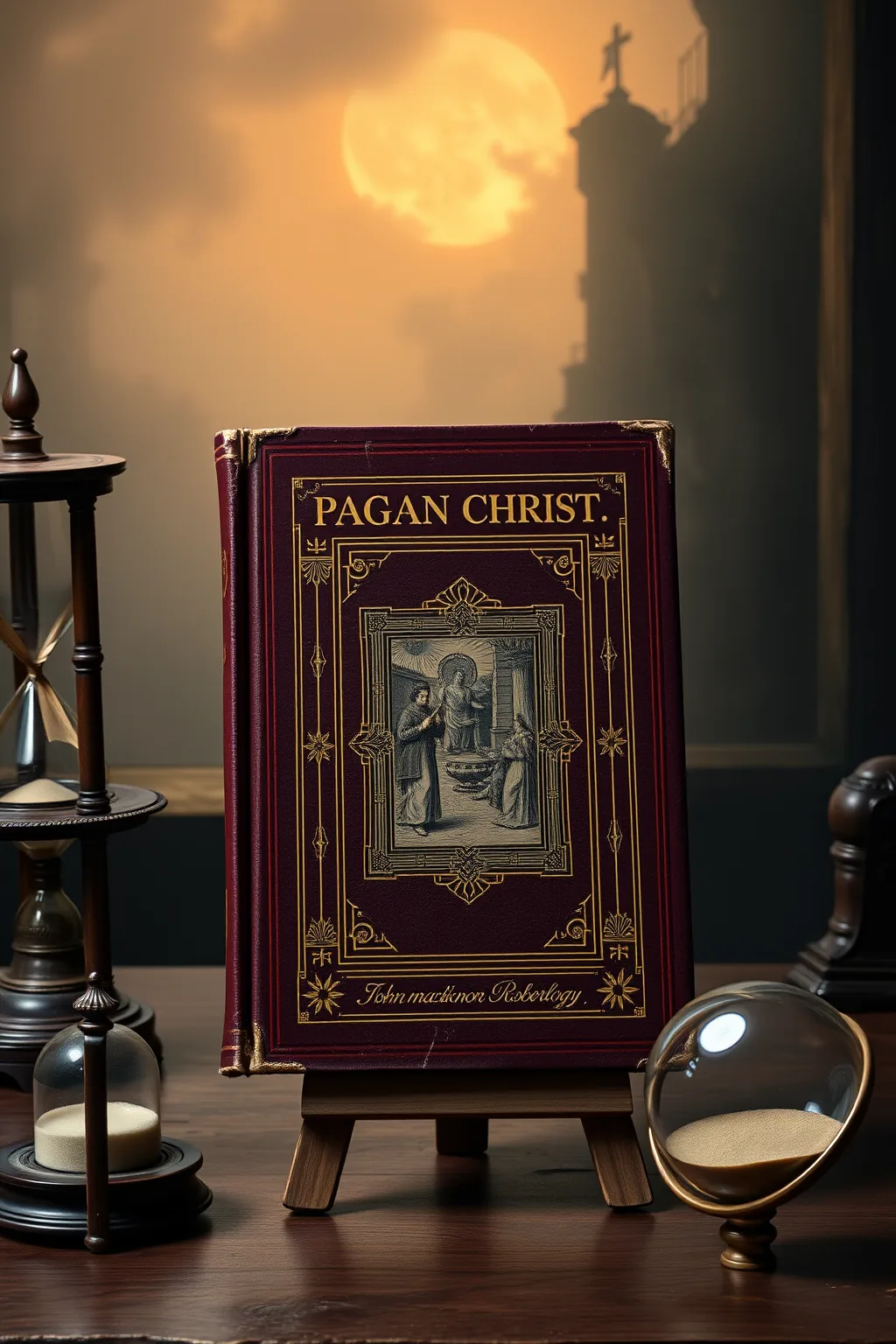
John Mackinnon Robertson's Pagan Christs: Studies in Comparative Hierology is a groundbreaking work that bridges the gap between pagan and Christian esoteric traditions. Published over a century ago, this text remains relevant today for its insightful exploration of how ancient myths and deities have shaped Christian beliefs and practices. Robertson's comparative approach provides a comprehensive overview of religious symbolism, making it a valuable resource for modern esoteric seekers. The book's detailed analysis and historical context offer a deeper understanding of the occult influences on Christianity, making it an essential read for those interested in the hidden dimensions of religious history. The digitization of this work by Google and its availability on the Internet Archive ensures that its wisdom is accessible to a new generation of readers. Overall, Pagan Christs is a fascinating journey into the esoteric roots of Christianity, earning it a solidrating.
📝 Description
81
John Mackinnon Robertson's 1903 book argues many Christian narratives have roots in earlier pagan myths.
Published in 1903, 'Pagan Christs: Studies in Comparative Hierology' by John Mackinnon Robertson examines parallels between Christian figures and deities from ancient pagan traditions. Robertson sought to demonstrate that elements of the Jesus story, including miracles and resurrection accounts, existed in earlier mythologies. He presents evidence from Egyptian, Greek, and Roman religions, suggesting a common source for many religious narratives. The book details specific figures and myths that he believed prefigured Christian theology.
Robertson's approach was to analyze religious symbols and stories through a comparative lens, aiming to uncover underlying patterns in human belief systems. He focused on what he termed 'hierology,' the study of sacred figures and rituals. His work challenges traditional interpretations of religious origins, proposing a naturalistic explanation for the development of religious ideas. This comparative study offers a critical perspective on the historical development of Christianity and its relationship to earlier belief systems.
This work sits within the tradition of comparative mythology and religious skepticism that gained traction in the late 19th and early 20th centuries. It engages with scholars who sought rational explanations for religious phenomena, often challenging orthodox theological views. Robertson's method aligns with a historical critical approach to scripture and religious origins, focusing on the human and cultural factors that shaped belief. His research into older traditions informed a broader intellectual current questioning the uniqueness of Christianity and suggesting its roots lay in a widespread ancient religious substratum.
💡 Why Read This Book?
Reading Pagan Christs: Studies in Comparative Hierology today offers readers a unique opportunity to explore the esoteric roots of Christianity. This book provides a deeper understanding of how ancient pagan myths and deities have influenced modern religious beliefs and practices. By delving into the occult dimensions of religious history, readers gain a broader perspective on the interconnectedness of different spiritual traditions. This knowledge can enrich one's own spiritual journey and provide a more nuanced view of the world's religious landscape.
⭐ Reader Reviews
Honest opinions from readers who have explored this book.
❓ Frequently Asked Questions
What is the main focus of Pagan Christs?
The main focus of Pagan Christs is the exploration of pagan influences on Christian mythology and symbolism. The book delves into the esoteric and occult themes that connect ancient pagan beliefs with Christian traditions.
Who should read this book?
This book is ideal for scholars, esoteric seekers, and anyone interested in the intersection of paganism and Christianity. It offers valuable insights for those studying religious history and symbolism.
Is this book still relevant today?
Yes, Pagan Christs remains relevant today due to its insightful exploration of the hidden layers of religious history. Its digitization and availability on the Internet Archive make it accessible to modern readers.
🔮 Key Themes & Symbolism
Comparative Hierology
The book looks at the study of comparative hierology, revealing the universal symbols and archetypes that connect various religious and mystical traditions. This theme explores the hidden threads that combine together the spiritual beliefs of different cultures, offering a deeper understanding of the divine and the human experience.
Pagan Symbolism
Robertson's work unravels the mystical range of pagan beliefs, highlighting the strong symbolism and esoteric wisdom that has been obscured by time. This theme invites readers to explore the profound journey into the symbolism and archetypal wisdom that underpins human spirituality.
Esoteric Wisdom
The book provides a wealth of esoteric insights, making it an indispensable resource for scholars and practitioners of the occult. This theme emphasizes the philosophical significance of comparative hierology, clear the path to a deeper understanding of the mystical and occult realms.
💬 Memorable Quotes
Direct passages from the work, attributed to the author.
“The mystical range of pagan beliefs reveals a hidden wisdom that has been obscured by the sands of time.”
— Robertson's work highlights the esoteric knowledge that underpins pagan beliefs, offering seekers a profound journey into the symbolism and archetypal wisdom.
“The mystical and occult realms are rich with symbolism and archetypal wisdom that transcend cultural boundaries.”
— Robertson's work provides a profound exploration of the esoteric underpinnings of various religious traditions, making it an indispensable resource for seekers of hidden knowledge.
💡 Key Ideas
Editorial paraphrase of the work's core concepts — not direct quotes.
The symbols of the divine are universal and eternal, transcending the boundaries of time and culture.
This quote underscores the timeless nature of spiritual symbols and their ability to connect different mystical traditions.
The study of comparative hierology illuminates the path to a deeper understanding of the divine and the human experience.
This quote emphasizes the philosophical significance of comparative hierology, providing a body of symbolism and archetypal wisdom.
The universal symbols that connect various religious traditions offer a wealth of esoteric insights.
This quote underscores the value of the book for scholars and practitioners of the occult, as it delves deeply into the hidden knowledge that connects different mystical traditions.
🌙 Esoteric Significance
Tradition
The book belongs to the Hermetic and Gnostic traditions, which emphasize the search for hidden knowledge and the exploration of the mystical and occult realms. It looks at the esoteric underpinnings of various religious traditions, revealing the universal symbols and archetypes that connect different cultures and spiritual beliefs.
Symbolism
Key symbols in the book include the universal archetypes that appear in various religious and mystical traditions. These symbols represent the divine and the human experience, offering a wealth of esoteric insights and a deeper understanding of the mystical and occult realms.
Modern Relevance
The book remains relevant today for modern practitioners of the occult and esoteric studies, as it provides a profound exploration of the hidden connections between pagan beliefs and various mystical traditions. It offers a wealth of esoteric insights and a deeper appreciation of the universal symbols that permeate human spirituality, making it an indispensable resource for scholars and practitioners alike.
👥 Who Should Read This Book
This book is ideal for scholars of comparative religion, practitioners of the occult, and anyone interested in the mystical and esoteric realms. Beginners will find it accessible and enlightening, while experienced practitioners will appreciate the depth of research and insightful analysis. Spiritual seekers will benefit from the profound journey into the symbolism and archetypal wisdom that underpins human spirituality, offering a deeper understanding of the divine and the human experience.
📜 Historical Context
Published in the early 20th century, 'Pagan Christs: Studies in Comparative Hierology' emerged during a time of significant intellectual and spiritual exploration. The book reflects the growing interest in comparative religion and esoteric studies, providing a detailed analysis of the hidden connections between pagan beliefs and various mystical traditions. Its influence can be seen in the works of later scholars and practitioners of the occult, who have built upon Robertson's insights to deepen their understanding of the mystical and esoteric realms. The book's meticulous research and insightful analysis have made it a foundational text in the field of comparative hierology, offering a wealth of esoteric insights and a deeper appreciation of the universal symbols that permeate human spirituality.
📔 Journal Prompts
Reflect on the universal symbols and archetypes that connect different religious and mystical traditions.
Consider how the mystical range of pagan beliefs reveals hidden wisdom that has been obscured by time.
Explore the philosophical significance of comparative hierology in your spiritual journey.
Write about the esoteric insights you have gained from the book and how they have deepened your understanding of the occult.
Reflect on the modern relevance of the book's themes and how they can be applied to your practice of the mystical and esoteric realms.
🗂️ Glossary
Comparative Hierology
The study of the universal symbols and archetypes that connect various religious and mystical traditions.
Pagan Symbolism
The strong symbolism and esoteric wisdom that underpins pagan beliefs, often obscured by time.
Esoteric Wisdom
Hidden knowledge and insights that provide a deeper understanding of the mystical and occult realms.
Hermetic Tradition
A mystical and philosophical tradition that emphasizes the search for hidden knowledge and the exploration of the divine.
Gnostic Tradition
A mystical and philosophical tradition that focuses on the exploration of the divine and the human experience through esoteric insights and symbolism.
This book appears in 2 collections
🔮 Readers Also Liked
Browse all →







![The Tipperary (or Clonmel) witch case : [transcripts of newspaper reports &c. concerning Bridget Cleary, burned as a witch, and the trial of her husband and neighbours for murder, in 1895]](/img/thumb/the-tipperary-or-clonmel-witch-case-transcripts-of-newspaper-reports-c-concerning-bridget-cleary-burned-as-a-witch-and-the-trial-of-her-husband-and-neighbours-for-murder-in-1895.webp)
From the “Witchcraft” Collection
View all →





![John Todd [Illuminati And Witchcraft Exposed].pdf (PDFy mirror)](/img/thumb/john-todd-illuminati-and-witchcraft-exposed-pdf-pdfy-mirror.webp)


More Free Witchcraft & Paganism Books
View all →