Exorcism Case Studies
 73
73

Exorcism Case Studies
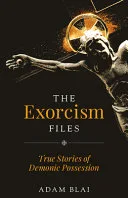
Adam Blai’s Exorcism Case Studies offers a disquieting, ground-level view of spiritual warfare that avoids easy answers. Blai, drawing on extensive experience, presents cases with a clinical detachment that is both a strength and, at times, a limitation. His insistence on empirical observation within a faith framework is commendable, particularly in distinguishing between psychological distress and genuine diabolical influence. A passage detailing the precise ritualistic steps for blessing a home, moving from the threshold inwards, illustrates the book's procedural depth and focus on tangible spiritual action. The limitation lies in its inherent reliance on a specific theological viewpoint, which may not resonate with those outside that tradition. Nevertheless, the work provides a valuable, albeit stark, look into a controversial and often misunderstood aspect of religious practice.
📝 Description
73
Adam Blai's Exorcism Case Studies documents demonic possession using decades of pastoral experience.
Adam Blai's "Exorcism Case Studies" examines demonic possession and its countermeasures, drawing on extensive pastoral experience. Blai meticulously documents instances of infestation, oppression, obsession, and possession, moving beyond sensationalism to present a structured approach for understanding and addressing these phenomena. The work details diagnostic criteria and the spiritual and psychological dimensions involved. This volume is for individuals seeking a rigorous, faith-informed understanding of spiritual warfare, particularly clergy, theological students, and lay practitioners engaged in spiritual direction or deliverance ministries. It is also suitable for those interested in the intersection of psychology, theology, and paranormal phenomena within a Catholic framework. The text demands serious engagement with its subject matter.
The study of exorcism has a long history within religious traditions. In the 20th century, skepticism grew, often relegating the practice to superstition or psychological disorder. Blai's work appears during a period of renewed interest in spiritual dimensions, influenced by cultural depictions and a recognition within some religious communities of persistent spiritual challenges resistant to conventional methods. The text engages with the historical evolution of demonology and spiritual warfare doctrines. It unpacks critical concepts like the hierarchy of demonic influence, distinguishing between various forms of spiritual attack and their appropriate responses. Blai stresses the importance of discernment and the role of prayer and sacraments.
This book engages with the Catholic tradition's historical approach to spiritual warfare and deliverance. It situates the practice of exorcism within a framework that acknowledges demonic influence alongside psychological and theological considerations. The work implicitly references centuries of doctrine and pastoral practice concerning the nature of evil and the means to combat it, distinguishing between different levels of spiritual affliction and the appropriate spiritual remedies.
💡 Why Read This Book?
• Gain practical insights into the diagnostic distinctions between psychological afflictions and genuine demonic influences, a crucial skill for spiritual counselors and clergy. • Understand the structured liturgical and prayerful responses prescribed within a specific tradition for addressing spiritual disturbances, as detailed in the case analyses. • Learn about the historical theological underpinnings of exorcism, providing context for the practices described and their evolution since the late 20th century.
⭐ Reader Reviews
Honest opinions from readers who have explored this book.
❓ Frequently Asked Questions
What is the primary difference between demonic oppression and possession according to Adam Blai?
Adam Blai distinguishes oppression as external attacks on a person's life or health, while possession involves direct demonic control over a person's body and will, often manifesting in profound behavioral changes.
Does Exorcism Case Studies recommend specific prayers or rituals?
Yes, the book details various prayers, blessings, and spiritual disciplines recommended for protection and deliverance, grounded in Catholic tradition and pastoral experience.
Is this book suitable for individuals without a religious background?
While the book is rooted in a specific religious tradition, its detailed case studies and analysis of spiritual phenomena can be of interest to those studying comparative religion or the psychology of belief.
What is the author's background in exorcism?
Adam Blai has extensive experience as a Catholic exorcist and demonologist, drawing upon decades of pastoral work and study in the field.
How does the book approach the concept of demonic infestation?
The work explores infestation as a phenomenon affecting places or objects, distinct from personal possession, and outlines methods for purification and blessing.
When was Exorcism Case Studies first published?
The book was first published on February 22, 2022, making it a contemporary examination of traditional practices.
🔮 Key Themes & Symbolism
Forms of Demonic Influence
The book meticulously categorizes distinct levels of diabolical activity, from infestation of places and oppression of individuals to obsession and full possession. Blai emphasizes that these are not interchangeable but represent escalating forms of spiritual attack. Understanding these distinctions is crucial for appropriate spiritual intervention, as detailed through various case examples documented since the late 20th century.
Discernment and Diagnosis
A central theme is the critical importance of accurate discernment. Blai outlines a methodical approach to differentiate between psychological disorders, medical conditions, and genuine supernatural malevolence. This involves careful observation, spiritual assessment, and consultation, moving beyond simplistic or sensationalized interpretations often found in popular culture.
Spiritual Warfare and Deliverance
Exorcism Case Studies details the practical application of spiritual warfare tactics within a specific religious framework. It covers the use of prayers, sacraments, blessings, and authoritative commands against demonic forces. The text underscores the role of faith, prayer, and the Church's authority in the process of deliverance and spiritual restoration.
The Role of the Exorcist
The work sheds light on the demanding role of the exorcist, highlighting the spiritual, psychological, and theological preparation required. Blai describes the responsibilities, ethical considerations, and the need for a strong spiritual life and support system for those undertaking this ministry, a practice with deep historical roots.
💬 Memorable Quotes
Direct passages from the work, attributed to the author.
“Discernment is the key to knowing what you are dealing with.”
— This statement highlights the book's emphasis on careful analysis and identification before applying any form of spiritual remedy, distinguishing it from impulsive or ill-informed actions.
“Places can be afflicted as well as persons.”
— This captures the concept of 'infestation,' suggesting that demonic influence is not limited to direct interaction with individuals but can permeate environments, requiring specific rites of purification.
“Proper diagnosis precedes effective treatment.”
— This emphasizes the methodical, almost clinical, approach Blai advocates for understanding spiritual disturbances, stressing that correct identification is paramount for successful deliverance.
“Faith and prayer are essential weapons.”
— This conveys the foundational spiritual tools Blai presents for confronting demonic activity, underscoring the active role of the believer and religious practices in spiritual warfare.
💡 Key Ideas
Editorial paraphrase of the work's core concepts — not direct quotes.
The battle is spiritual, but it has tangible effects.
This paraphrase points to the book's core argument: while the conflict is unseen, its manifestations in people's lives and environments are real and require concrete, spiritual countermeasures.
🌙 Esoteric Significance
Tradition
While Adam Blai's work is firmly situated within the Catholic tradition, its detailed examination of spiritual warfare, discernment, and the hierarchy of demonic influence touches upon broader esoteric themes. It engages with concepts of unseen forces, spiritual attack, and protective rites that echo across various mystical and occult lineages, though it strictly adheres to its specific ecclesial doctrine.
Symbolism
The book implicitly references powerful religious symbols crucial to Catholic spiritual warfare. The Sign of the Cross, for instance, represents Christ's victory over evil and serves as a primary protective and offensive gesture. Holy Water and Blessed Salt are consecrated elements used for purification and warding off malevolent spiritual influences, drawing on ancient purification rites.
Modern Relevance
Contemporary practitioners of deliverance ministry, within and sometimes adjacent to traditional religious structures, draw on Blai's methodical approach. His work offers a structured, experiential perspective that informs discussions on spiritual discernment and the reality of non-corporeal adversarial forces in circles interested in comparative demonology and applied spiritual theology.
👥 Who Should Read This Book
• Clergy and religious leaders seeking to understand and minister to individuals experiencing spiritual distress beyond conventional psychological explanations. • Students of comparative religion and theology interested in the historical and practical dimensions of exorcism and spiritual warfare in a specific tradition. • Individuals involved in spiritual direction or deliverance ministries who require a framework for discerning and addressing potential demonic influences.
📜 Historical Context
The study and practice of exorcism have a long, often controversial, history within Western religion, stretching back to antiquity. By the early 20th century, with the rise of scientific rationalism and psychology, many spiritual explanations for aberrant behaviors were increasingly replaced by medical or psychiatric diagnoses. Competing schools of thought, such as Freudian psychoanalysis, offered alternative frameworks for understanding inner turmoil. Despite this trend, a persistent undercurrent of belief in demonic influence remained, particularly within Catholic circles. Adam Blai's work, published in 2022, emerges in a period where traditional religious practices are being re-examined, and there's a renewed, albeit niche, interest in phenomena once dismissed by mainstream discourse. His approach engages with this tension, providing a contemporary perspective rooted in historical tradition and pastoral experience, implicitly responding to figures like Sigmund Freud who sought naturalistic explanations for phenomena previously attributed to the supernatural.
📔 Journal Prompts
The concept of infestation: How might environments be influenced by spiritual energies?
Discernment in practice: What criteria could one use to differentiate psychological from spiritual afflictions?
Spiritual warfare tactics: Reflect on the efficacy of prayer and sacraments as protective measures.
The role of the exorcist: Consider the preparation and resilience required for such a ministry.
Hierarchy of influence: How does understanding different levels of attack inform a response strategy?
🗂️ Glossary
Infestation
A state where a place or object is subject to demonic influence, often manifesting as disturbances, strange noises, or feelings of dread, distinct from direct personal possession.
Oppression
External demonic attacks that afflict a person's life, health, or circumstances without directly controlling their mind or body.
Obsession
A form of demonic influence where an individual is tormented by persistent, intrusive thoughts or suggestions, often leading to despair or temptation.
Possession
The most severe form of demonic influence, involving direct control over a person's body, speech, or actions by a malevolent spiritual entity.
Discernment
The spiritual and psychological ability to distinguish between different types of spiritual influences, particularly between divine, human, and demonic activity.
Deliverance Ministry
The practice within various religious traditions aimed at freeing individuals from demonic influence through prayer, spiritual counsel, and ritual.
Demonology
The theological or religious study of demons and their nature, activities, and influence.