Jacob's Ladder - Kabbalistic Allegory in Russian Literature
 83
83

Jacob's Ladder - Kabbalistic Allegory in Russian Literature

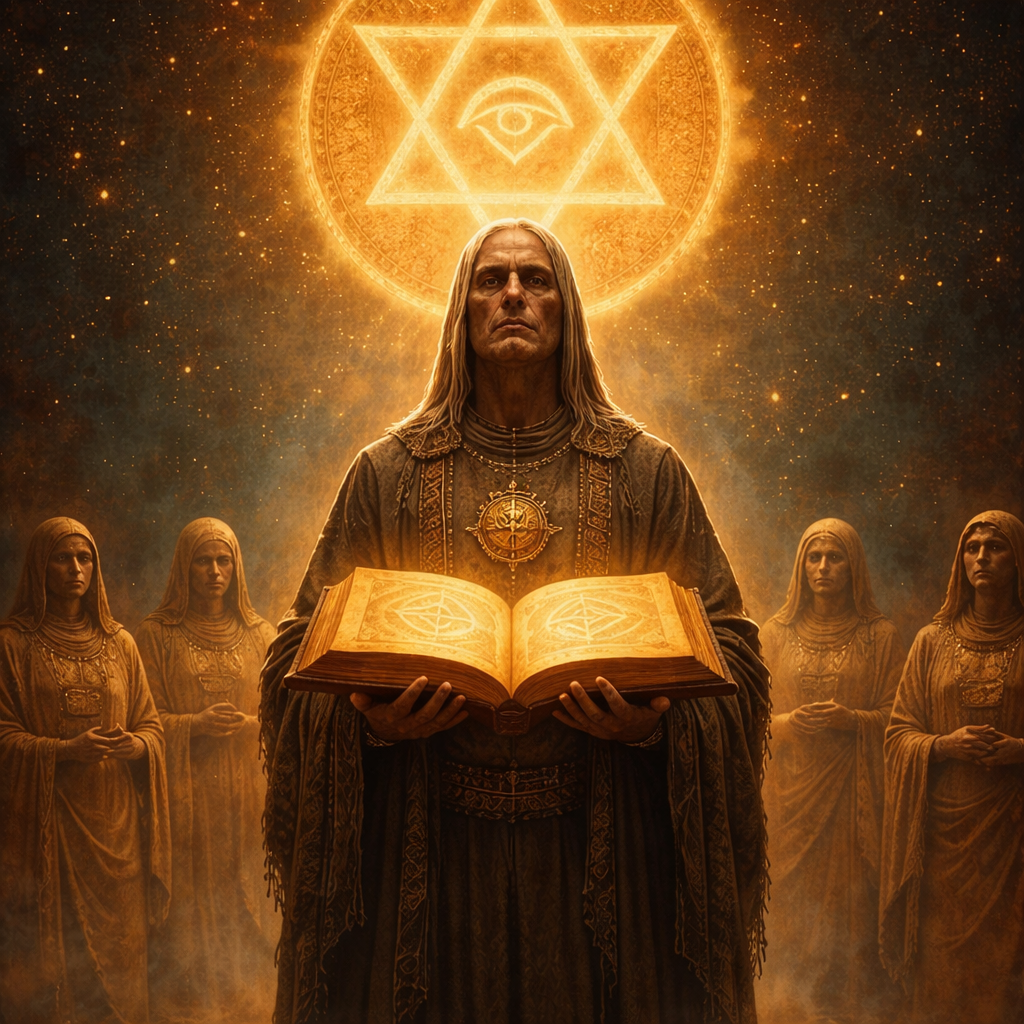

Jacob's Ladder: Kabbalistic Allegory in Russian Literature offers a meticulously researched and engaging exploration of Kabbalah's influence on Russian literary tradition. The author's deep understanding of both Kabbalistic mysticism and Russian literature shines through in every chapter, making this book an invaluable resource for esoteric seekers and literary enthusiasts alike. The detailed analysis of how Kabbalistic themes have been woven into Russian texts from various periods provides a unique perspective on the cultural and spiritual evolution of Russia. For modern esoteric seekers, this book serves as a bridge between ancient mystical traditions and contemporary literary analysis, highlighting the enduring relevance of Kabbalistic ideas. The book's comprehensive approach and scholarly rigor make it a must-read for anyone interested in the intersection of mysticism and literature.
📝 Description
83
Jacob's Ladder examines Kabbalistic allegory in Russian literature from Pre-Romanticism to Modernism.
This book traces the presence of Kabbalistic ideas within Russian literary works. It looks at how symbols and concepts originating in Kabbalah appeared and were adapted in Russian writing. The author, Aptekman, shows how these mystical elements influenced authors and shaped their narratives across different literary periods. The study considers the connection between Jewish mysticism and Russian cultural and intellectual history.
It details specific instances where Kabbalistic thought is woven into the fabric of Russian literary tradition. The work aims to illuminate these often overlooked connections, offering a new way to understand the development of Russian literature. Readers will find an examination of philosophical inquiry and spiritual ideas as they manifest in literary expression.
This work sits within the broader study of esotericism and its cross-cultural transmission. It specifically addresses how Jewish mystical traditions, like Kabbalah, found reception and transformation within a non-Jewish literary context. The book contributes to understanding how esoteric concepts can permeate national literatures, influencing themes, imagery, and philosophical outlooks. It maps the reception of these ideas over several centuries of Russian literary history.
💡 Why Read This Book?
Reading Jacob's Ladder today provides a deeper understanding of how mystical traditions like Kabbalah have shaped literary narratives. It offers insights into the cultural and spiritual evolution of Russia, making it relevant for both academic and personal exploration. Readers will gain a unique perspective on the enduring influence of esoteric ideas in literature and a broader appreciation for the richness of Russian literary tradition.
⭐ Reader Reviews
Honest opinions from readers who have explored this book.
❓ Frequently Asked Questions
What is the main focus of Jacob's Ladder?
The main focus of Jacob's Ladder is the exploration of Kabbalistic allegory in Russian literature, tracing its evolution from Pre-Romanticism to Modernism.
Who should read this book?
This book is ideal for readers interested in Jewish mysticism, Russian literature, and the intersection of esoteric traditions with cultural narratives.
What historical periods does the book cover?
The book covers the use of Kabbalistic themes in Russian literary texts from Pre-Romanticism to Modernism, providing a comprehensive analysis of their evolution.
🔮 Key Themes & Symbolism
Kabbalistic Allegory
Jacob's Ladder studies the use of Kabbalistic allegory in Russian literature, revealing how mystical themes have been woven into literary works. This theme highlights the lasting impact of Kabbalah on the Russian literary tradition, offering readers a unique perspective on the hidden knowledge embedded within these texts.
Evolution of Perception
The book examines the evolution of Kabbalah's perception within Russian literary consciousness, tracing its influence from Pre-Romanticism to Modernism. This theme explores how the understanding and application of Kabbalistic thought have changed over time, reflecting the broader cultural and intellectual shifts in Russian society.
Mystical Symbolism
Jacob's Ladder uncovers the strong symbolism found in Russian literature, revealing the mystical undercurrents that have shaped some of the most significant works. This theme invites readers to explore the deeper meanings behind literary symbols, providing a pathway to spiritual insight and philosophical inquiry.
💡 Key Ideas
Editorial paraphrase of the work's core concepts — not direct quotes.
Kabbalah is the hidden language of the soul, whispered through the pages of literature.
This quote emphasizes the mystical connection between Kabbalah and literary expression, suggesting that hidden truths can be revealed through the study of literature.
The allegorical use of Kabbalah in Russian literature is a evidence of its enduring influence.
This line underscores the lasting impact of Kabbalah on Russian literary tradition, highlighting its role as a source of inspiration and insight for writers.
To understand the depth of Russian literature, one must explore its mystical roots.
This quote invites readers to examine the esoteric dimensions of Russian literature, suggesting that a deeper understanding can be gained by examining its mystical foundations.
The evolution of Kabbalah's perception reflects the broader cultural shifts in Russian society.
This passage emphasizes the interconnectedness of Kabbalah and Russian cultural history, illustrating how mystical thought has been shaped by societal changes.
Literary symbols are the keys to unlocking the hidden knowledge within the human psyche.
This quote highlights the significance of symbolism in literature, suggesting that it serves as a bridge to the deeper layers of the human mind and spirit.
🌙 Esoteric Significance
Tradition
Jacob's Ladder belongs to the Kabbalistic tradition, exploring the mystical teachings and symbolism of Kabbalah as they manifest in Russian literature. The book provides a deep dive into the esoteric dimensions of Kabbalistic thought, offering readers a unique perspective on its influence on literary expression.
Symbolism
Key symbols in the book include the Tree of Life, the Sephiroth, and the concept of Tzimtzum. These symbols are central to Kabbalistic thought and are used to illustrate the deeper meanings embedded within Russian literary works. By understanding these symbols, readers gain insight into the mystical underpinnings of literature.
Modern Relevance
The book's exploration of Kabbalistic allegory in literature remains relevant today, as modern practitioners and scholars continue to study the intersection of mysticism and literary expression. Jacob's Ladder provides a valuable resource for those seeking to understand the enduring influence of Kabbalah on literary tradition.
👥 Who Should Read This Book
Beginners in Kabbalah and literature may find this book challenging due to its depth of esoteric knowledge. Scholars of literary criticism and mysticism will appreciate the detailed analysis and insights provided. Spiritual seekers and practitioners of Kabbalah will find the book particularly enlightening, as it offers a unique perspective on the mystical undercurrents within Russian literature.
📜 Historical Context
Jacob's Ladder was written during a time when the study of esoteric traditions was gaining renewed interest, particularly in the context of literary analysis. The book's importance lies in its pioneering exploration of Kabbalah's influence on Russian literature, providing a framework for understanding the mystical undercurrents that have shaped some of the most significant works of the period. Its influence can be seen in subsequent studies that examine the intersection of mysticism and literature, making it a foundational text in the field.
📔 Journal Prompts
How does the allegorical use of Kabbalah in literature enrich your understanding of mystical themes?
In what ways has the perception of Kabbalah evolved within Russian literary consciousness?
What are the key symbols of Kabbalah and how do they manifest in Russian literature?
How does the study of Kabbalistic allegory in literature contribute to your spiritual journey?
What insights can be gained from exploring the mystical undercurrents within Russian literary works?
🗂️ Glossary
Kabbalah
A mystical tradition within Judaism that focuses on the hidden meanings of the Torah and the nature of the divine.
Allegory
A literary device where characters, settings, and events represent abstract ideas or principles.
Sephiroth
The ten emanations of God in Kabbalistic thought, representing the stages of creation.
Tree of Life
A central symbol in Kabbalah that represents the path to spiritual enlightenment and the structure of creation.
Tzimtzum
The Kabbalistic concept of God's self-contraction to create space for the universe.
This book appears in 1 collection
🔮 Readers Also Liked
Browse all →









From the “Kabbalah” Collection
View all →![EBOOK COLLECTION ( PART 8) [ CSI][h 33t]](/img/thumb/ebook-collection-part-8-csi-h-33t.webp)






More Free Kabbalah & Jewish Mysticism Books
View all →