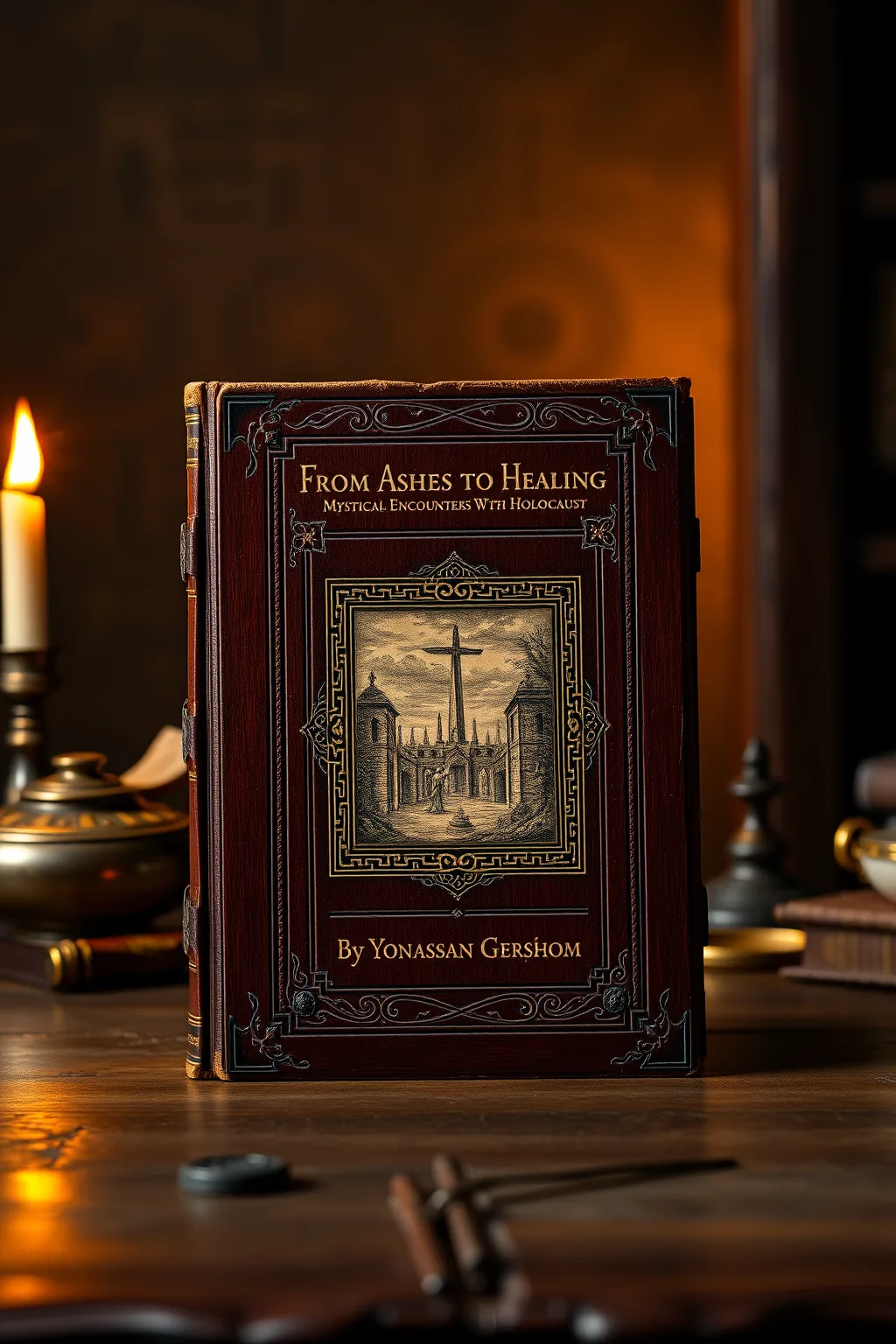
From Ashes to Healing: Mystical Encounters With the Holocaust
 61
61

From Ashes to Healing: Mystical Encounters With the Holocaust

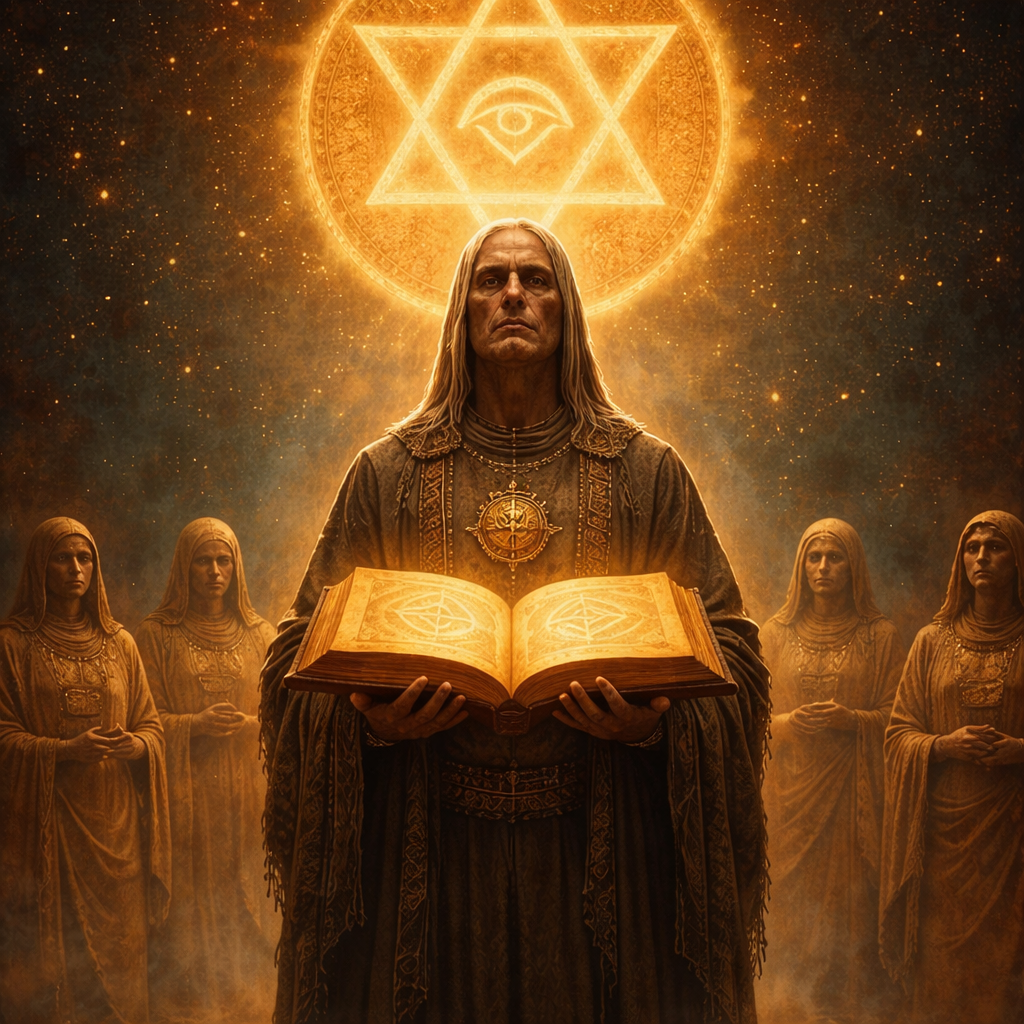

Alaric Kestrel, Metaphysical Studies Reviewer — "From Ashes to Healing" is a singular and essential work, courageously bridging the abyss of the Holocaust with the profound teachings of Kabbalah. Gershom's meticulous research and empathetic approach allow for an unprecedented exploration of soul transmigration and reincarnation within the context of immense historical trauma. He offers esoteric insights into spiritual causality and the potential for karmic resolution, presenting a deeply moving argument for the soul's eternal journey. This book is an indispensable resource for scholars of mysticism, practitioners of Jewish contemplative traditions, and anyone seeking a deeper, more transcendent understanding of life, death, and the enduring spirit.
📝 Description
61
Yonassan Gershom's 2007 book connects Holocaust testimonies with Kabbalistic ideas of soul transmigration.
Published in 2007, "From Ashes to Healing" examines the Holocaust through the lens of Jewish mysticism. Yonassan Gershom presents personal accounts alongside concepts from Kabbalah to address profound questions about suffering and spiritual continuity. The book discusses how souls might find healing and rectification across lifetimes, particularly those affected by the Shoah. It looks at divine justice, cosmic cycles, and the soul's resilience in the face of immense devastation. Gershom's work aims to illuminate the mystical dimensions of Jewish tradition and its capacity to find meaning even in extreme darkness.
The author weaves together harrowing testimonies with esoteric interpretations of Jewish texts. This approach seeks to reveal connections between historical events and spiritual realities. The book is for readers interested in exploring the afterlife, the principle of transmigration, and the enduring nature of the soul. It offers a perspective that is both unsettling and ultimately hopeful for those who seek deeper knowledge within Jewish esotericism.
This book situates itself within the tradition of Jewish mysticism, specifically drawing upon Kabbalistic ideas. It engages with concepts like gilgul neshamot (soul transmigration) and tikkun (rectification) to interpret historical events. Rather than solely focusing on historical analysis, Gershom applies esoteric frameworks to understand spiritual continuity and the fate of souls. The work connects these ancient mystical ideas to the profound trauma of the Holocaust, suggesting a spiritual dimension to historical suffering and eventual healing.
💡 Why Read This Book?
For seekers yearning to understand the spiritual implications of historical atrocities, "From Ashes to Healing" offers a unique lens. Explore the esoteric principles of transmigration and reincarnation within Jewish mysticism, gaining profound insights into the soul's journey and the potential for healing across lifetimes. Essential for scholars, practitioners, and anyone seeking solace and deeper meaning amidst life's profound challenges.
⭐ Reader Reviews
Honest opinions from readers who have explored this book.
❓ Frequently Asked Questions
Does the book claim specific Holocaust victims were reincarnated?
The book explores the *possibility* and theological framework of transmigration and reincarnation as understood within Kabbalistic thought, suggesting how such concepts might apply to souls affected by the Holocaust, rather than making definitive claims about individuals.
Is this book suitable for those unfamiliar with Kabbalah?
While prior knowledge of Kabbalah can enhance understanding, Gershom's accessible writing style and clear explanations make the core concepts understandable for readers new to Jewish mysticism, provided they approach it with an open mind and a willingness to explore complex spiritual ideas.
What is 'reincarnation therapy' in this context?
In this context, 'reincarnation therapy' refers to the potential for spiritual and psychological healing that can arise from understanding and contemplating the soul's journey through multiple lives, particularly in relation to ancestral trauma and unresolved issues.
How does the book connect the Holocaust to mystical concepts?
It posits that major historical events, especially those involving immense suffering, can be understood through the lens of the soul's journey, exploring ideas of karmic retribution, rectification (tikkun), and the potential for souls to learn and evolve across lifetimes.
Is the tone of the book respectful of Holocaust victims?
Absolutely. The book approaches the subject with profound reverence and sensitivity, focusing on the enduring spirit and the potential for spiritual healing and continuity, always maintaining a deep respect for the immense suffering endured.
🔮 Key Themes & Symbolism
Transmigration and the Soul's Eternal Journey
This central theme studies the Kabbalistic concept of Gilgul Neshamot (transmigration of souls), positing that the soul is eternal and may inhabit multiple bodies across lifetimes. The book controversially and sensitively applies this doctrine to the souls affected by the Holocaust, exploring how spiritual lessons, karmic debts, and paths to rectification might unfold through this continuous cycle. It offers a framework for understanding seemingly inexplicable suffering and the enduring nature of the human spirit beyond physical death.
Kabbalistic Interpretations of Historical Trauma
Gershom utilizes the rich symbolic language and philosophical underpinnings of Kabbalah to interpret the profound trauma of the Holocaust. This includes exploring concepts like divine hiddenness, the 'breaking of the vessels' (Shevirat HaKelim) as a metaphor for cosmic catastrophe, and the intricate interplay of divine justice and mercy. The book seeks to find spiritual meaning and order within chaos, suggesting that even the darkest events can be understood within a larger, divinely orchestrated cosmic drama.
Healing and Tikkun Across Lifetimes
A core message of the book is the potential for healing and spiritual repair (Tikkun) that transcends a single lifetime. Gershom suggests that the experiences of the Holocaust, though devastating, can be viewed as catalysts for profound soul growth and rectification. The book explores how souls might work through collective karmic patterns and individual spiritual challenges across successive incarnations, ultimately moving towards a state of wholeness and spiritual redemption. This offers a unique perspective on overcoming trauma and finding enduring peace.
💬 Memorable Quotes
Direct passages from the work, attributed to the author.
“Kabbalah offers a map to the soul's uncharted territories.”
— This metaphor emphasizes the esoteric and guiding nature of Kabbalistic teachings, presenting them as tools for working through the complex inner range of the soul and its journey.
“Every life is a chapter in an unfolding cosmic narrative.”
— This profound statement frames individual existence within a grander, divinely orchestrated story, implying purpose and interconnectedness across all lives and experiences.
💡 Key Ideas
Editorial paraphrase of the work's core concepts — not direct quotes.
The soul seeks wholeness, even across the chasm of death.
This quote captures the book's central tenet: the enduring nature of the soul and its inherent drive towards spiritual completion, suggesting this quest continues beyond physical demise.
In the ashes of despair, the seeds of renewal are sown.
Highlighting the paradoxical nature of spiritual growth, this quote suggests that even from utter destruction and suffering, a profound process of rebirth and spiritual awakening can commence.
Healing is not forgetting, but understanding and integrating.
This quote speaks to the transformative power of acknowledging and processing trauma, suggesting that true healing comes from deep comprehension and assimilation, not erasure.
🌙 Esoteric Significance
Tradition
This book is deeply rooted in the esoteric tradition of Kabbalah, specifically exploring concepts within Jewish mysticism concerning the nature of the soul, divine providence, and the cyclical patterns of existence. It draws heavily on ideas such as Gilgul Neshamot (reincarnation of souls), Tikkun Olam (repair of the world), and the symbolic interpretations of scriptural texts to understand profound human experiences and historical events through a spiritual lens.
Symbolism
Key symbols explored include the 'ashes' of destruction and rebirth, the 'flame' of the soul's eternal nature, and the intricate Tree of Life (Etz Chaim) as a map of spiritual consciousness. The book also engages with the symbolism of suffering as a catalyst for spiritual growth and rectification, interpreting historical catastrophes through the lens of cosmic processes and divine justice as understood within Kabbalistic cosmology.
Modern Relevance
In a world still grappling with collective trauma, historical injustices, and existential questions, the book offers a unique framework for understanding suffering and resilience. Its exploration of soul continuity and the potential for healing across lifetimes appeals to contemporary interests in reincarnation, karma, and spiritual growth. It provides a mystical perspective that can offer solace, encourage introspection, and foster a deeper appreciation for the enduring spirit of humanity, even in the face of immense adversity.
👥 Who Should Read This Book
This profound work is essential for students of Jewish mysticism and Kabbalah seeking to apply ancient wisdom to modern existential dilemmas. Scholars of Holocaust studies will find a unique, albeit unconventional, perspective that challenges traditional interpretations. Spiritual seekers interested in reincarnation, the soul's journey, and the interconnectedness of lives will find fertile ground for contemplation. Practitioners of contemplative Judaism or those exploring healing modalities that acknowledge past-life influences will discover clear insights into the transformative power of spiritual understanding.
📜 Historical Context
Published in the late 20th century, "From Ashes to Healing" emerges from a period of intense reflection and scholarly engagement with the Holocaust. The post-war era grappled with how to memorialize, understand, and prevent such atrocities, leading to diverse interpretations across historical, philosophical, and theological disciplines. Gershom's work situates itself within this discourse by offering a uniquely esoteric perspective, drawing upon centuries of Jewish mystical tradition to address the profound existential and spiritual questions raised by the Shoah. It challenges conventional historical narratives by proposing a framework of spiritual causality and soul continuity, reflecting a broader contemporary interest in the metaphysical dimensions of human experience and historical events.
📔 Journal Prompts
Reflect on a personal experience of profound loss or destruction. How might the concept of 'ashes' and 'renewal' apply to your own journey?
Consider the Kabbalistic idea of the soul's eternal journey. What does this concept offer you in terms of understanding life and death?
If souls can learn and rectify across lifetimes, what might be the spiritual purpose of immense collective suffering, such as the Holocaust?
How can the understanding of transmigration offer a framework for healing from historical or ancestral trauma?
Explore the symbolism of 'ashes' in different spiritual or cultural contexts. What common threads of meaning emerge?
🗂️ Glossary
Gilgul Neshamot
A Hebrew term in Kabbalah referring to the transmigration or reincarnation of souls. It posits that a soul may inhabit multiple bodies across different lifetimes to fulfill its spiritual purpose and undergo rectification (Tikkun).
Tikkun
Meaning 'rectification' or 'repair.' In Kabbalah, Tikkun refers to the process of repairing the cosmic damage caused by the 'shattering of the vessels' (Shevirat HaKelim) and restoring divine harmony. It can also refer to individual soul rectification through successive lives.
Shoah
A Hebrew term meaning 'catastrophe' or 'destruction,' commonly used to refer to the Holocaust, the systematic, state-sponsored persecution and murder of six million Jews by the Nazi regime and its collaborators.
Shevirat HaKelim
Literally 'the breaking of the vessels.' A foundational concept in Lurianic Kabbalah describing the catastrophic event in creation where the divine light overwhelmed the vessels designed to contain it, leading to cosmic disharmony and the scattering of divine sparks.
Karmic Rectification
The idea that imbalances or 'debts' incurred in one lifetime (or across multiple lifetimes) must be addressed and balanced through subsequent experiences, leading to spiritual growth and eventual liberation.
This book appears in 1 collection
🔮 Readers Also Liked
Browse all →








More by Yonassan Gershom
All books →
From the “Kabbalah” Collection
View all →







More Free Kabbalah & Jewish Mysticism Books
View all →