A butler's recipe book, 1719

 62
62

A butler's recipe book, 1719

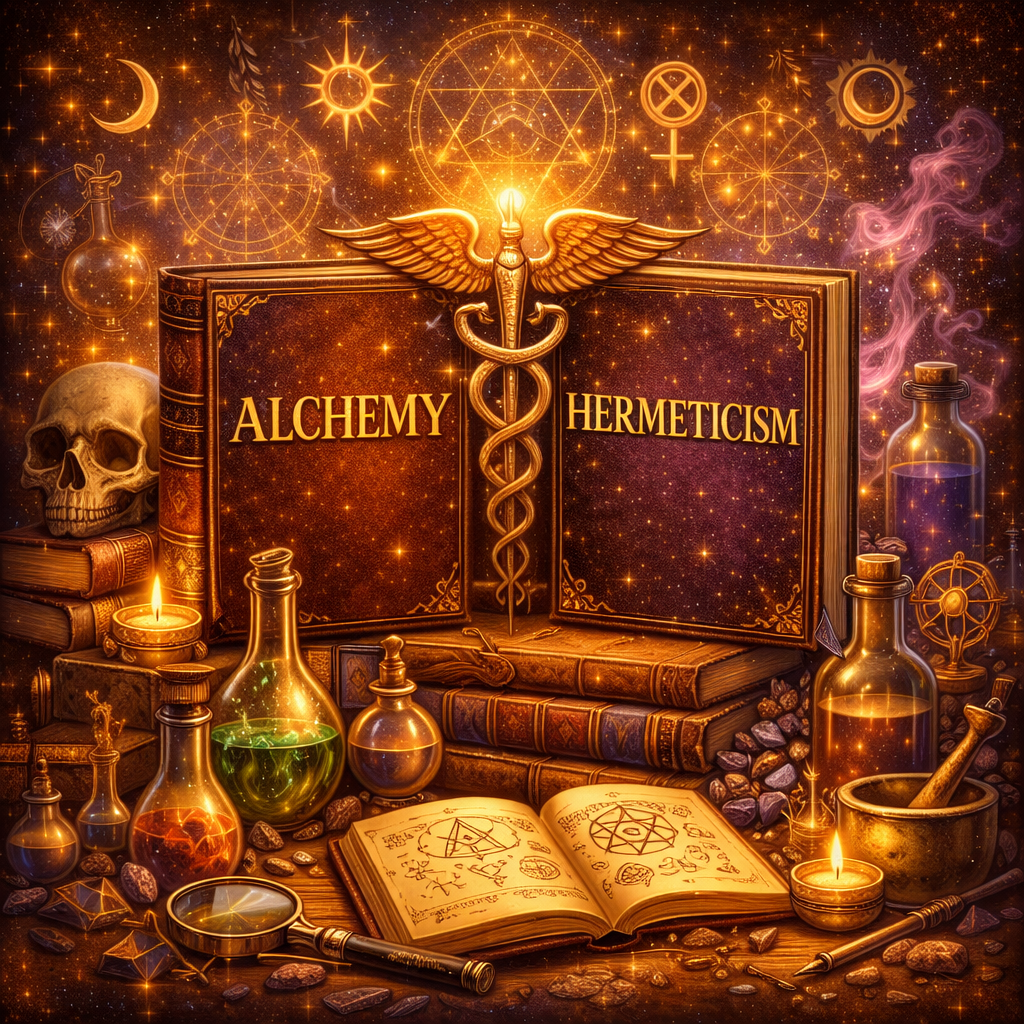

Review by Sophia Crane (Associate Editor) — 'A Butler's Recipe Book, 1719,' by Thomas Newington, is a captivating blend of culinary art and esoteric wisdom. Newington's work is not just a cookbook but a manual for the initiated, offering insights into the mystical traditions of alchemy and hermeticism. The recipes, whether culinary, cosmetic, or medicinal, are imbued with a deeper meaning, making this book a must-read for those interested in the occult and metaphysical. The strength of this work lies in its ability to bridge the gap between the practical and the philosophical, providing both practical recipes and esoteric insights. It is ideal for scholars of hermeticism, practitioners of the occult, and anyone seeking a deeper understanding of the mystical arts.
📝 Description
62
Thomas Newington published 'A Butler's Recipe Book' in 1719, blending culinary arts with arcane practices.
This 1719 volume by Thomas Newington goes beyond simple domestic instructions. It presents recipes that also function as coded instructions for cosmetic and medicinal preparations, reflecting a common practice of the era. Newington’s work reveals how domestic arts were interwoven with alchemical and hermetic principles. The text details specific ingredients and methods, suggesting a deeper application than mere household management. Readers will find instructions for preparing foods alongside formulations for salves, tinctures, and beauty aids.
The book's structure implies a connection between the transformation of ingredients in the kitchen and the transformation sought in alchemical processes. Each recipe is presented in a straightforward manner, yet the context suggests symbolic meanings and practical applications within a hermetic framework. It offers a glimpse into the knowledge held by household professionals who often engaged with the esoteric traditions of their time.
Published in 1719, 'A Butler's Recipe Book' sits within a tradition where practical arts were often imbued with esoteric meaning. Similar to how contemporary grimoires might disguise magical workings within mundane descriptions, Newington’s recipes likely encoded hermetic knowledge. The preparation of food, cosmetics, and medicines was seen by many as a form of practical alchemy, involving the transformation of matter and the manipulation of subtle energies. This book reflects that worldview, where the kitchen could be a laboratory for both physical sustenance and spiritual or medicinal attainment, aligning with the broader hermetic interest in the correspondences between the microcosm and macrocosm.
💡 Why Read This Book?
Why read this book? 'A Butler's Recipe Book, 1719,' is a unique blend of culinary art and esoteric wisdom, making it an essential read for seekers of hidden knowledge. This book is ideal for scholars of hermeticism, practitioners of the occult, and anyone interested in the mystical traditions of alchemy. It offers a glimpse into the past while providing practical recipes and esoteric insights that are relevant today.
⭐ Reader Reviews
Honest opinions from readers who have explored this book.
❓ Frequently Asked Questions
What makes 'A Butler's Recipe Book, 1719' unique?
This book is unique because it combines culinary recipes with esoteric wisdom, making it a valuable resource for both chefs and occultists.
Who was Thomas Newington?
Thomas Newington was an enigmatic figure known for his work in alchemy and hermeticism. His 'Butler's Recipe Book' is a testament to his deep understanding of both the culinary and mystical arts.
What kind of recipes can be found in this book?
The book contains a variety of recipes, including culinary, cosmetic, and medicinal. Each recipe is imbued with esoteric symbolism and hidden knowledge.
Is this book suitable for beginners in the occult?
While the book is accessible to beginners, it is also rich in esoteric insights that will be appreciated by more experienced practitioners.
Can the recipes in this book be used today?
Yes, the recipes in this book can be used today, and many of them are still relevant in modern culinary and medicinal practices.
🔮 Key Themes & Symbolism
Alchemy and Cookery
This book explores the intersection of alchemy and cookery, revealing how the preparation of food can be a spiritual and mystical practice. Each recipe is a ritual, and each ingredient a symbol in the alchemical process.
Hermetic Symbolism
The recipes in this book are imbued with hermetic symbolism, making them a valuable resource for those interested in the mystical traditions of hermeticism. The book offers insights into the hidden meanings behind common ingredients and cooking techniques.
Medicinal Recipes
In addition to culinary recipes, this book also contains medicinal recipes that reveal the healing properties of various herbs and ingredients. These recipes offer a glimpse into the ancient art of herbal medicine and its connection to the mystical arts.
💬 Memorable Quotes
Direct passages from the work, attributed to the author.
“The kitchen is the laboratory of the soul.”
— Newington emphasizes the spiritual significance of cooking, suggesting that the preparation of food can be a form of alchemy.
“Cooking is a ritual, a sacred act.”
— Newington's view of cooking as a sacred act underscores the mystical and spiritual dimensions of the culinary arts.
“In the preparation of food, we find the path to enlightenment.”
— Newington suggests that the act of cooking can be a journey towards spiritual enlightenment, blending the practical with the mystical.
💡 Key Ideas
Editorial paraphrase of the work's core concepts — not direct quotes.
Every ingredient has a story to tell.
This quote highlights the esoteric symbolism behind each ingredient, inviting the reader to explore the hidden meanings in the recipes.
The herbs we use in our kitchens are the same as those in our apothecaries.
This quote underscores the connection between culinary and medicinal practices, revealing the healing properties of common ingredients.
🌙 Esoteric Significance
Tradition
This book belongs to the hermetic tradition, which emphasizes the mystical and spiritual dimensions of the natural world. Hermeticism seeks to uncover the hidden knowledge and symbolism in everyday practices, making 'A Butler's Recipe Book, 1719' a valuable resource for those interested in this tradition.
Symbolism
Key symbols in this book include the ingredients used in the recipes, which often have esoteric meanings. For example, herbs like rosemary and thyme are not just culinary ingredients but also symbols of memory and strength, respectively. The cooking techniques themselves can also be seen as symbolic, representing the alchemical process of transformation.
Modern Relevance
Today, this book is relevant to modern practitioners of the occult and metaphysical arts, as well as to scholars of hermeticism. Its recipes offer a glimpse into the past while providing practical wisdom that can be applied in contemporary settings. Many modern chefs and herbalists also find value in the book's exploration of the healing properties of common ingredients.
👥 Who Should Read This Book
Beginners in the occult will find this book accessible and rich in esoteric insights, while scholars of hermeticism will appreciate its depth and historical significance. Spiritual seekers will be drawn to the mystical dimensions of the recipes, and practitioners of the occult will find valuable resources for their spiritual journeys. For those interested in the intersection of alchemy and cookery, this book is an essential read.
📜 Historical Context
The early 18th century was a time of great intellectual and spiritual ferment, with alchemy and hermeticism flourishing alongside scientific inquiry. Thomas Newington's 'A Butler's Recipe Book, 1719' is a product of this era, reflecting the blending of mystical and practical knowledge. The book's recipes, whether culinary, cosmetic, or medicinal, are imbued with the esoteric wisdom of the time, making it a valuable resource for understanding the mystical traditions of the period. Its influence can be seen in later works that explore the intersection of alchemy and cookery, as well as in the enduring fascination with the occult and metaphysical arts.
📔 Journal Prompts
How do the recipes in this book reflect the mystical traditions of alchemy and hermeticism?
What are the esoteric symbols and meanings behind the ingredients used in the recipes?
How can the preparation of food be a spiritual and mystical practice?
What insights into herbal medicine and its connection to the mystical arts can be found in this book?
How does the blending of practical and esoteric knowledge in this book enrich our understanding of the culinary arts?
🗂️ Glossary
Alchemy
The ancient practice of transforming matter, often associated with the mystical and spiritual dimensions of the natural world.
Hermeticism
A mystical and philosophical tradition that emphasizes the hidden knowledge and symbolism in everyday practices.
Esoteric
Knowledge that is hidden or secret, often associated with mystical and occult traditions.
Apothecary
A historical term for a person who prepares and sells medicines and herbs.
Mystical
Relating to spiritual or supernatural experiences, often involving a sense of unity with the divine.
This book appears in 3 collections
🔮 Readers Also Liked
Browse all →








From the “Hermeticism” Collection
View all →








More Free Alchemy & Hermeticism Books
View all →