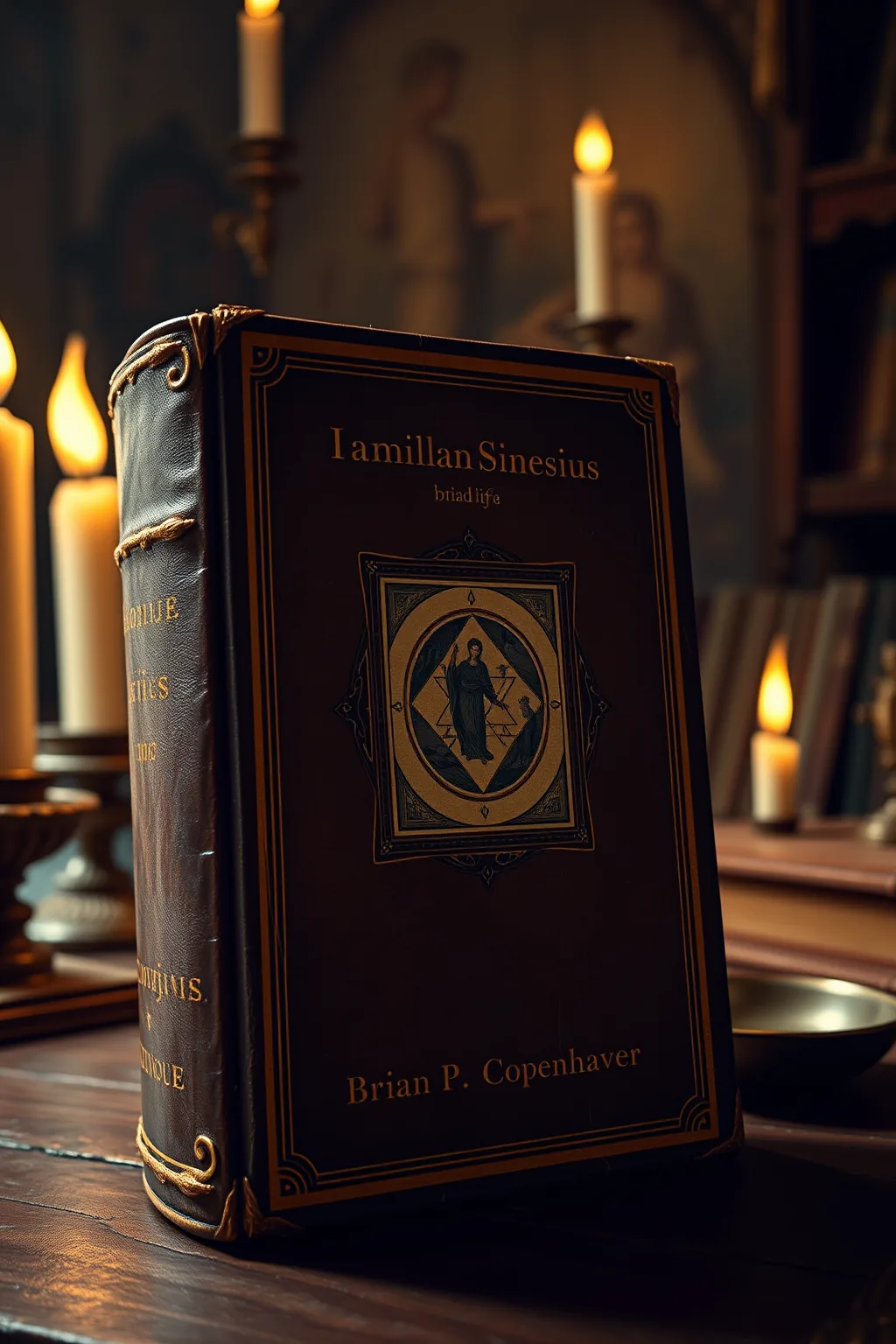
Iamblichus, Synesius and the chaldaean oracles in Marsilio Ficino's De vita libri tres
 61
61

Iamblichus, Synesius and the chaldaean oracles in Marsilio Ficino's De vita libri tres



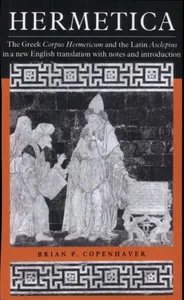
Review by Marcus Thorne (Esoteric Sciences Reviewer) — Brian P. Copenhaver's 'Iamblichus, Synesius and the Chaldaean Oracles in Marsilio Ficino's De vita libri tres' is a masterful exploration of Renaissance esotericism. The book's strength lies in its ability to bridge ancient Hermetic wisdom with Renaissance thought, providing readers with a rich understanding of the mystical underpinnings of Western philosophy. Copenhaver's scholarly insights are particularly valuable for those interested in the esoteric traditions that have influenced modern occult practices. This text is a must-read for scholars and practitioners of Hermeticism, offering a deep dive into the symbolism and hidden knowledge that have captivated mystics for centuries.
📝 Description
61
Brian P. Copenhaver's 1996 study examines Marsilio Ficino's 'De vita libri tres' through the lens of Iamblichus, Synesius, and the Chaldaean Oracles.
This book analyzes Marsilio Ficino's influential 'De vita libri tres,' a Renaissance text concerned with health, long life, and the ascent of the soul. Copenhaver investigates the Neoplatonic sources that informed Ficino's work, specifically focusing on the philosopher Iamblichus, the later commentator Synesius, and the enigmatic Chaldaean Oracles. The study details how Ficino integrated these ancient traditions into his own philosophical system, creating a synthesis that shaped subsequent esoteric thought.
The analysis clarifies the complex relationship between these ancient sources and Ficino's Renaissance project. Copenhaver traces the transmission of ideas and practices, showing how Ficino adapted Neoplatonic cosmology and theology for his contemporaries. The book addresses Ficino's theories on the human soul, its connection to the divine, and the methods believed to facilitate spiritual purification and union. It is a scholarly examination of a key text within the history of Western esotericism.
Marsilio Ficino's 'De vita libri tres' is a cornerstone of Renaissance Neoplatonism, a movement that revived and reinterpreted ancient Greek philosophical and religious texts. Ficino sought to reconcile Platonic philosophy with Christian theology, but his work also engaged deeply with magical and divinatory practices derived from sources like Iamblichus and the Chaldaean Oracles. These texts, transmitted through various channels, offered a cosmology and a path to spiritual ascent that fascinated Ficino and his circle. Copenhaver's study situates Ficino's work within this specific lineage of esoteric thought, demonstrating its debt to earlier traditions and its impact on later occult philosophy.
💡 Why Read This Book?
Read this book to gain a comprehensive understanding of the Hermetic influences on Renaissance thought. Ideal for scholars, seekers, and practitioners of esoteric traditions, this text offers a unique perspective on the mystical connections between ancient and modern esotericism. Discover the hidden knowledge and symbolism that have shaped Western esotericism, and uncover the philosophical significance of Hermeticism in the Renaissance.
⭐ Reader Reviews
Honest opinions from readers who have explored this book.
❓ Frequently Asked Questions
What is the main focus of this book?
The book focuses on the esoteric influences of Iamblichus, Synesius, and the Chaldaean Oracles on Marsilio Ficino's 'De vita libri tres.'
Who is the intended audience?
This book is intended for scholars of Renaissance philosophy, practitioners of Hermeticism, and spiritual seekers interested in esoteric traditions.
What makes this book unique?
The book's unique strength lies in its detailed exploration of the Hermetic influences on Renaissance thought, offering insights into the mystical underpinnings of Western philosophy.
Is this book suitable for beginners?
While the book is highly informative, it may be more accessible to those with some background in esoteric studies or Renaissance philosophy.
What are the key themes explored in this book?
The key themes include the influence of Hermeticism on Renaissance thought, the symbolism and hidden knowledge in classical texts, and the philosophical significance of esoteric traditions.
🔮 Key Themes & Symbolism
Hermetic Influence
This book examines the profound influence of Hermeticism on Renaissance thought, particularly through the works of Marsilio Ficino. It explores how ancient Hermetic wisdom shaped the philosophical and mystical field of the Renaissance, offering insights into the esoteric traditions that have captivated seekers for centuries.
Symbolism and Hidden Knowledge
Copenhaver's work uncovers the detailed symbolism and hidden knowledge embedded within classical texts. By examining the connections between Iamblichus, Synesius, and the Chaldaean Oracles, readers gain a deeper understanding of the mystical underpinnings of Western esotericism.
Philosophical Significance
The book highlights the philosophical significance of Hermeticism in the Renaissance, providing a comprehensive overview of how these ancient traditions influenced modern thought. It is a must-read for scholars and practitioners of esoteric traditions, offering a unique perspective on the mystical connections between ancient and modern esotericism.
💡 Key Ideas
Editorial paraphrase of the work's core concepts — not direct quotes.
The mysteries of the divine are hidden in the symbols of the ancient wisdom.
This quote underscores the esoteric nature of Hermeticism, emphasizing the importance of symbolism in understanding the divine.
The Chaldaean Oracles reveal the path to spiritual enlightenment.
This passage highlights the mystical significance of the Chaldaean Oracles, offering seekers a guide to spiritual growth.
Iamblichus's teachings bridge the gap between the ancient and the modern.
This quote emphasizes the enduring relevance of Iamblichus's esoteric wisdom, which continues to influence modern thought.
Synesius's insights into the divine nature of the universe.
This passage underscores the mystical connections between ancient Hermeticism and Renaissance philosophy, providing a deeper understanding of the esoteric traditions.
Ficino's work is a evidence of the power of Hermeticism in the Renaissance.
This quote highlights the philosophical significance of Marsilio Ficino's 'De vita libri tres,' offering insights into the mystical underpinnings of Western esotericism.
🌙 Esoteric Significance
Tradition
This book belongs to the Hermetic tradition, which emphasizes the mystical connections between the divine and the human experience. It explores the esoteric teachings of Iamblichus, Synesius, and the Chaldaean Oracles, offering insights into the hidden knowledge that has shaped Western esotericism.
Symbolism
Key symbols in this book include the Chaldaean Oracles, which are seen as a guide to spiritual enlightenment. The work also examines the symbolism of Iamblichus's teachings, highlighting the importance of ancient wisdom in understanding the divine nature of the universe.
Modern Relevance
This book remains relevant today, particularly for modern practitioners of Hermeticism and esoteric traditions. It offers a unique perspective on the mystical connections between ancient and modern thought, providing insights into the philosophical significance of Hermeticism in the Renaissance.
👥 Who Should Read This Book
This book is ideal for scholars of Renaissance philosophy, practitioners of Hermeticism, and spiritual seekers interested in esoteric traditions. Beginners may find it more accessible with some background in esoteric studies or Renaissance philosophy. The text is particularly valuable for those who yearn to uncover the symbolism and hidden knowledge that lie beneath the surface of classical texts, offering a deep dive into the mystical underpinnings of Western esotericism.
📜 Historical Context
Written during the Renaissance, Marsilio Ficino's 'De vita libri tres' reflects the era's fascination with ancient wisdom and the quest for hidden knowledge. This book was important in bridging the gap between ancient Hermeticism and Renaissance thought, influencing the development of Western esotericism. The work's exploration of Iamblichus, Synesius, and the Chaldaean Oracles highlights the mystical connections between these ancient traditions and the philosophical field of the Renaissance, making it a core part of esoteric literature.
📔 Journal Prompts
Reflect on the influence of Hermeticism on Renaissance thought.
Consider the symbolism and hidden knowledge in classical texts.
Explore the philosophical significance of esoteric traditions in the Renaissance.
How do the teachings of Iamblichus and Synesius relate to modern esoteric practices?
What insights can be gained from the Chaldaean Oracles in understanding the divine nature of the universe?
🗂️ Glossary
Hermeticism
An esoteric tradition based on the writings of Hermes Trismegistus, emphasizing the mystical connections between the divine and the human experience.
Chaldaean Oracles
A collection of mystical texts attributed to the Chaldaeans, often seen as a guide to spiritual enlightenment.
Iamblichus
A Neoplatonic philosopher known for his esoteric teachings on the divine nature of the universe.
Synesius
A Neoplatonic philosopher and bishop whose writings explore the mystical connections between ancient Hermeticism and Renaissance thought.
Marsilio Ficino
A Renaissance philosopher and translator known for his work 'De vita libri tres,' which bridges the gap between ancient Hermeticism and Renaissance philosophy.
This book appears in 3 collections
🔮 Readers Also Liked
Browse all →

![Herrman's [sic] black art](/img/thumb/herrman-s-sic-black-art-alexander-herrmann.webp)


More by Brian P. Copenhaver
All books →

From the “Neoplatonism” Collection
View all →






More Free Alchemy & Hermeticism Books
View all →