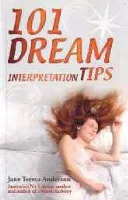
101 Dream Interpretation Tips
 80
80

101 Dream Interpretation Tips
Jane Teresa Anderson’s "101 Dream Interpretation Tips" avoids the pitfalls of overly academic dream analysis, opting instead for a direct, almost conversational, approach. The strength of the book lies in its granular structure; presenting complex ideas as digestible "tips" makes the process of dream interpretation feel less daunting. Anderson’s central premise – that dreams are not just messages but catalysts for change, akin to alchemy – is compelling. She effectively guides the reader from passive observation to active engagement. However, the sheer number of tips, while intended to be comprehensive, can sometimes feel repetitive, blurring the distinctiveness of individual pieces of advice. A passage discussing the "shadow self" as manifesting in dream figures, though brief, exemplifies Anderson’s ability to connect psychological concepts to practical interpretation. The book’s limitation is its occasional lack of depth, prioritizing breadth across the 101 tips over exhaustive exploration of any single concept. Despite this, it offers a solid, accessible entry point for those seeking to harness their dreams for personal evolution.
📝 Description
80
Published in 2007, Jane Teresa Anderson's "101 Dream Interpretation Tips" offers a practical method for understanding dreams.
This book moves beyond simple symbol dictionaries, presenting dream analysis as an active process. Anderson integrates interpretation with actionable techniques for personal growth, making complex psychological and esoteric concepts accessible. The work is structured around discrete, digestible tips, emphasizing the potential of dreams to transform inner experiences into tangible life improvements.
It is intended for individuals seeking a direct and applicable approach to dream work, particularly those who find other dream analysis texts too theoretical. Readers interested in practical psychology, self-help, and accessible esoteric traditions will find value. The book is suited for beginners in dream interpretation who wish to actively engage with their subconscious to foster positive changes in their waking lives.
Anderson's approach aligns with a trend in esoteric circles that sought to integrate ancient wisdom with modern psychological understanding. The book taps into a broader cultural fascination with the subconscious, distinguishing itself from purely theoretical dream analysis by focusing on actionable change and the alchemical potential of dreams to transmute inner experiences.
💡 Why Read This Book?
• You will learn a practical, step-by-step method for interpreting your dreams, distinct from academic psychoanalysis, by engaging with Jane Teresa Anderson's "101 Dream Interpretation Tips" and its unique "dream alchemy" framework. • You will discover how to actively use your dreams as catalysts for tangible life changes, a core principle emphasized in the book's actionable advice, moving beyond passive understanding. • You will gain insights into connecting with your subconscious through a curated series of 101 distinct, easy-to-follow tips, a structure designed for clarity and immediate application, first published in 2007.
⭐ Reader Reviews
Honest opinions from readers who have explored this book.
❓ Frequently Asked Questions
What is Jane Teresa Anderson's approach to dream interpretation?
Jane Teresa Anderson's approach in "101 Dream Interpretation Tips" is practical and action-oriented, blending interpretation with "alchemy." She focuses on digestible tips to help readers understand their dreams and use them for positive life changes.
When was "101 Dream Interpretation Tips" first published?
The book "101 Dream Interpretation Tips" by Jane Teresa Anderson was first published in 2007, positioning it within a period of sustained popular interest in self-help and psychological exploration.
How does this book differ from other dream interpretation guides?
This book differentiates itself by presenting dream analysis as a series of 101 distinct, easy-to-follow tips, emphasizing practical application and the concept of "dream alchemy" for personal transformation, rather than purely theoretical exploration.
What is 'dream alchemy' as described by Anderson?
Anderson's concept of 'dream alchemy' refers to the process of using insights and energies from dreams as raw material for inner transformation, aiming to transmute subconscious understanding into tangible improvements in waking life.
Is this book suitable for beginners in dream analysis?
Yes, the book is highly suitable for beginners due to its structured format of 101 tips, which breaks down complex ideas into manageable steps, making dream interpretation accessible and less intimidating.
What is the primary goal for readers of '101 Dream Interpretation Tips'?
The primary goal is to empower readers to not only understand their dreams but also to actively employ the insights gained for positive personal change and psychological growth, as outlined in the book's practical advice.
🔮 Key Themes & Symbolism
Dream Alchemy
This theme explores the concept of 'dream alchemy,' presenting dreams not merely as passive messages but as active agents for transformation. Anderson suggests that the insights and energies revealed in dreams can be consciously harnessed and 'transmuted' into positive changes in waking life, much like alchemists sought to transform base metals into gold. This perspective encourages readers to view their dream experiences as a potent, untapped resource for personal evolution and psychological integration.
Actionable Interpretation
Central to Anderson's work is the idea of actionable interpretation. The book breaks down the complex process of understanding dreams into 101 distinct, easy-to-follow tips. This approach moves beyond mere symbol identification, guiding readers on how to apply dream insights directly to their lives. The emphasis is on practical engagement, empowering individuals to take concrete steps based on their nocturnal narratives, fostering a proactive relationship with their subconscious.
Subconscious Dialogue
Anderson frames dream interpretation as a form of dialogue with the self. The tips provided are designed to facilitate a deeper understanding of the subconscious mind, revealing its messages, desires, and warnings. By learning to interpret these nightly communications, readers can gain clarity on their inner world, resolve internal conflicts, and make more informed decisions. This theme underscores the personal and introspective nature of dream work.
Personal Transformation
The overarching theme is personal transformation, achieved through the diligent practice of dream interpretation. The book posits that understanding one's dreams is a pathway to significant self-development. By consistently applying the techniques and insights offered, readers are encouraged to cultivate greater self-awareness, overcome limitations, and ultimately achieve a more fulfilling and integrated life. The initial publication in 2007 places this within a broader self-help discourse of the era.
💬 Memorable Quotes
Direct passages from the work, attributed to the author.
“Dreams offer guidance for positive change.”
— This succinctly captures Anderson's core message: dreams are not just random occurrences but sources of wisdom. The emphasis on 'positive change' highlights the book's practical, self-help orientation, encouraging readers to see dreams as tools for active self-improvement.
“Interpret your dreams and take the next step.”
— This phrase captures the dual action central to Anderson's method. It implies a sequential process: first, understanding the dream's meaning, and second, actively applying that understanding to influence one's waking life, a core part of her 'dream alchemy' concept.
“Use dream insights to bring positive changes.”
— This highlights the ultimate goal of engaging with the material. It frames dream interpretation not as an end in itself, but as a means to achieve tangible improvements in one's life, aligning with the book's focus on personal growth and transformation.
“Dreams provide material for inner alchemy.”
— This conveys Anderson's unique metaphor of 'dream alchemy.' It suggests that dreams are the raw substance which, through conscious interpretation and application, can be transformed into valuable psychological or spiritual insights and personal betterment.
💡 Key Ideas
Editorial paraphrase of the work's core concepts — not direct quotes.
The tips are designed for easy understanding and application.
This paraphrase speaks to the book's structure and pedagogical intent. It signals that Anderson avoids overly academic jargon, prioritizing accessibility and practical utility for the reader seeking concrete methods for dream analysis.
🌙 Esoteric Significance
Tradition
Anderson's work draws implicitly from traditions that view dreams as prophetic or revelatory, a lineage traceable through various shamanic practices and Western esotericism. While not explicitly Kabbalistic or Hermetic, the concept of 'alchemy' suggests an alchemical worldview—the transformation of the self through symbolic processes. It departs from strictly psychological interpretations by positing dreams as agents of active, almost magical, change, aligning with modern esoteric practices that integrate psychology with spiritual development.
Symbolism
Specific symbols are not heavily detailed in the book's overall premise, but the *process* of interpretation itself is symbolic. The "tips" function as keys or formulae. The core symbolic act is the reader's engagement with their own subconscious imagery, treating it as sacred or potent material. The concept of "alchemy" is itself a powerful symbol of transformation, suggesting that the raw data of dreams can be refined into the gold of self-understanding and personal growth.
Modern Relevance
Anderson's approach remains relevant for contemporary practitioners of mindfulness, lucid dreaming, and Jungian-inspired self-exploration. Her emphasis on actionable insights speaks to the current demand for practical application in spiritual and psychological growth. Thinkers and communities focused on integrated psychology and spirituality, as well as those seeking accessible tools for self-discovery outside of traditional therapy or academic study, continue to find value in her direct, tip-based methodology.
👥 Who Should Read This Book
• Individuals new to dream interpretation seeking a clear, structured entry point, who will benefit from the 101 digestible tips and practical "dream alchemy" framework. • Self-help enthusiasts and personal development practitioners looking for actionable techniques to unlock subconscious insights and foster tangible life changes, moving beyond passive contemplation. • Students of esoteric or psychological literature who wish to explore a bridge between traditional dream analysis and modern applications of inner transformation, appreciating the book’s 2007 publication context.
📜 Historical Context
Jane Teresa Anderson’s "101 Dream Interpretation Tips," first published in 2007, arrived during a period of continued popular engagement with psychological and self-help literature. While the academic study of dreams had largely moved beyond the foundational psychoanalytic and Jungian frameworks, their influence remained potent in the public consciousness. Anderson's work taps into this enduring fascination, offering a practical, rather than theoretical, approach. It aligns with a broader trend in esoteric and New Age circles of the late 20th and early 21st centuries, which sought to synthesize ancient wisdom traditions with modern psychological concepts. Unlike purely academic texts, Anderson’s focus on "alchemy" and actionable steps positions her work within a more accessible, self-directed spiritual development sphere. Contemporary authors like Robert Moss, exploring active dreaming, also contributed to this milieu, though Anderson’s emphasis on a structured list of tips offered a distinct pathway for readers.
📔 Journal Prompts
Reflect on the "dream alchemy" concept in relation to a recent recurring dream symbol.
Identify a "next step" suggested by a dream analysis tip for a specific personal challenge.
Consider the emotional energy of a dream figure and its potential for "transmutation."
Document a dream using Anderson's tip-based approach for interpretation.
Analyze how a specific dream insight could lead to a concrete positive change.
🗂️ Glossary
Dream Alchemy
The concept, central to Anderson's work, of using dream insights and energies as raw material for personal transformation, akin to alchemical processes that refine substances.
Interpretation
The process of understanding the meaning and significance of dream symbols, narratives, and emotions presented within a dream.
Actionable Tips
The discrete, practical pieces of advice offered in the book, designed to guide readers through the process of dream interpretation and application.
Subconscious Dialogue
The idea that dreams represent a communication channel between the conscious mind and the deeper, subconscious aspects of the self.
Positive Change
Tangible improvements in one's waking life—psychological, emotional, or circumstantial—that can be facilitated by understanding and acting upon dream guidance.
Transmutation
In the context of dream alchemy, this refers to the process of transforming raw dream material (emotions, symbols) into valuable insights or catalysts for personal growth.
Nightly Narratives
A descriptive term for the stories, images, and experiences that unfold during sleep within dreams.