Three Books of Occult Philosophy Or Magic

 77
77

Three Books of Occult Philosophy Or Magic

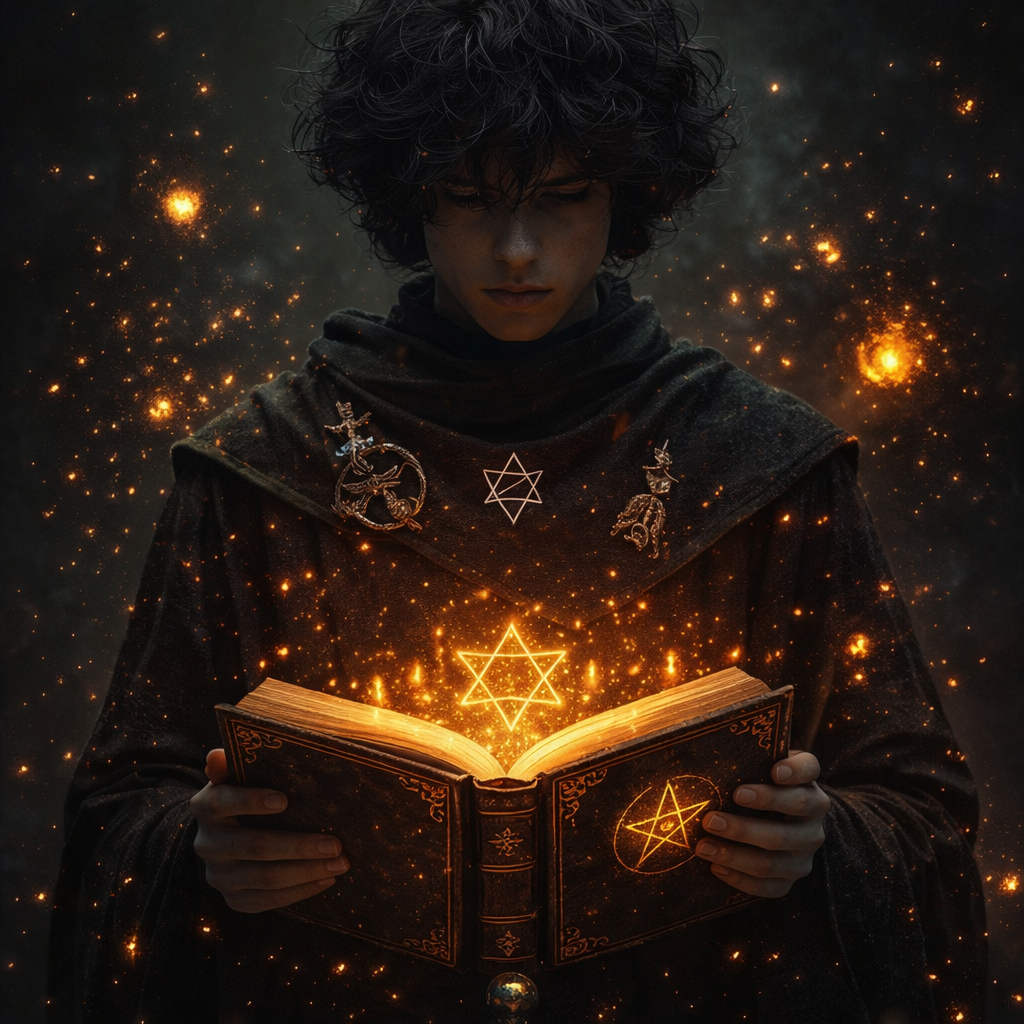

Three Books of Occult Philosophy Or Magic by Willis F. Whitehead is a foundational text for anyone delving into the mysteries of the occult. Published in 1898, this work stands the test of time, offering profound insights into the esoteric traditions that have captivated seekers for centuries. Whitehead's meticulous research and clear exposition make this book an invaluable resource for modern esoteric seekers. The text is rich in historical context, drawing from ancient texts and mystical practices to provide a comprehensive understanding of occult philosophy. The themes explored, such as the nature of magic and the principles of alchemy, are presented with a depth that is both enlightening and inspiring. For those seeking to deepen their understanding of the occult, this book is a must-read. It offers a unique blend of historical scholarship and mystical insight, making it an essential addition to any esoteric library.
📝 Description
77
Willis F. Whitehead's 'Three Books of Occult Philosophy Or Magic' was published in 1992.
Willis F. Whitehead's 'Three Books of Occult Philosophy Or Magic' presents a comprehensive look at magical theory and practice. The work examines the principles behind occult arts, drawing on historical magical traditions. It details systems of correspondences, angelic magic, and the philosophical basis for ritual. Whitehead aimed to provide a structured understanding of these subjects, moving beyond mere superstition to a more systematic approach.
The book covers a range of topics relevant to occult studies. Readers will find discussions on the nature of spirits, the use of talismans, and the relationship between the macrocosm and microcosm. It also touches upon the elements and their influence, and the astrological underpinnings of magical operations. This text serves as a guide for those seeking to grasp the theoretical foundations of ceremonial magic.
This work sits within the Western Esoteric Tradition, specifically drawing from Renaissance magical philosophy and later occult revival movements. It engages with concepts found in works like Agrippa's 'Three Books of Occult Philosophy,' which itself synthesized Neoplatonic, Hermetic, and Kabbalistic ideas. Whitehead's text aims to clarify and systematize these complex ideas for a modern audience, connecting them to practical magical applications. It reflects a continued interest in ceremonial magic and its theoretical frameworks that persisted through the late 20th century.
💡 Why Read This Book?
Reading Three Books of Occult Philosophy today offers readers a rare opportunity to explore the depths of esoteric knowledge. This book provides a comprehensive guide to the hidden dimensions of reality, making it an invaluable resource for both novice and experienced occultists. By delving into the mystical arts and ancient traditions, readers can gain a deeper understanding of the occult and its practices. This text is not just a historical artifact but a living document that continues to inspire and enlighten seekers of hidden knowledge.
⭐ Reader Reviews
Honest opinions from readers who have explored this book.
❓ Frequently Asked Questions
What is the historical significance of Three Books of Occult Philosophy?
Three Books of Occult Philosophy is a seminal work in the field of esoteric literature, drawing upon ancient texts and traditions to provide a comprehensive guide to occult philosophy. Published in 1898, it remains a foundational text for modern occultists.
Who should read this book?
This book is ideal for anyone interested in the esoteric arts, mystical practices, and the hidden dimensions of reality. Whether you are a seasoned occultist or a curious beginner, this text offers valuable insights and knowledge.
What themes are explored in Three Books of Occult Philosophy?
The book explores themes such as the relationship between the divine and the natural world, the power of the mind, and the secrets of the universe. It delves into the nature of magic, the principles of alchemy, and the mystical arts.
🔮 Key Themes & Symbolism
The Nature of Magic
This book explores the philosophical foundations of magic, exploring its nature and significance in the mystical arts. It offers a profound understanding of how magic operates and its role in the occult world.
Symbolism in Occult Philosophy
The book is rich with symbolism, providing insights into the hidden meanings behind various occult symbols. This theme is crucial for understanding the deeper layers of occult philosophy.
Hidden Knowledge and Mystical Insights
Whitehead's work is a valuable collection of hidden knowledge and mystical insights, offering readers a glimpse into the esoteric wisdom that has been passed down through the ages.
💬 Memorable Quotes
Direct passages from the work, attributed to the author.
“Magic is the art of manipulating the unseen forces that govern reality.”
— Whitehead emphasizes the practical application of occult philosophy in shaping the world around us.
“Symbolism is the key that unlocks the doors of hidden wisdom.”
— Whitehead's work often revolves around the significance of symbols in revealing deeper truths.
💡 Key Ideas
Editorial paraphrase of the work's core concepts — not direct quotes.
The true magician understands the language of the universe.
This line underscores the importance of deciphering the hidden symbols and meanings in the natural world.
The seeker of truth must be willing to explore the darkest recesses of the soul.
This quote highlights the necessity of introspection and self-discovery in the pursuit of mystical knowledge.
The occult philosopher must be both scholar and practitioner.
This line emphasizes the dual role of understanding and applying occult principles in daily life.
🌙 Esoteric Significance
Tradition
This book belongs to the Hermetic tradition, which focuses on the teachings of Hermes Trismegistus and the pursuit of hidden knowledge and spiritual enlightenment. It draws heavily from alchemical and astrological principles, making it a central to Hermetic philosophy.
Symbolism
Key symbols in the book include the Hermetic caduceus, the alchemical symbols for transformation, and the astrological symbols representing celestial influences. These symbols are central to understanding the deeper meanings and philosophical underpinnings of occult philosophy.
Modern Relevance
Today, this book remains relevant for modern practitioners of the mystical arts, providing a rich source of esoteric insights and philosophical foundations. It is often referenced in contemporary occult studies and continues to inspire seekers of hidden knowledge.
👥 Who Should Read This Book
Beginners in the field of occult philosophy will find this book a comprehensive introduction to the mystical arts. Scholars will appreciate its depth of research and historical significance. Spiritual seekers will be drawn to its exploration of hidden knowledge and symbolism, while practitioners will benefit from its practical insights into the application of occult principles.
📜 Historical Context
Written during a time of great intellectual and spiritual curiosity, 'Three Books of Occult Philosophy Or Magic' reflects the era's fascination with the mystical arts. Published in an age where the boundaries between science and spirituality were blurred, this book became a foundational text for occult philosophy. Its influence can be seen in the works of later scholars and practitioners, making it an important work in the history of esoteric studies.
📔 Journal Prompts
How do the philosophical underpinnings of magic influence your understanding of the occult?
Reflect on a symbol from the book that appeals to you and explore its deeper meaning.
Consider the role of hidden knowledge in your spiritual journey and how it can be applied in daily life.
What insights from the book challenge your current beliefs about magic and the mystical arts?
How does the Hermetic tradition influence your perspective on occult philosophy?
🗂️ Glossary
Hermetic Philosophy
A philosophical tradition based on the teachings of Hermes Trismegistus, focusing on spiritual enlightenment and hidden knowledge.
Alchemy
The medieval chemical science of transmuting base metals into gold, often symbolizing spiritual transformation.
Astrology
The study of the movements and relative positions of celestial bodies interpreted as having an influence on human affairs and the natural world.
Occult Philosophy
The study of hidden knowledge and mystical insights, often involving the exploration of magic and symbolism.
Symbolism
The use of symbols to represent ideas and concepts, often found in esoteric and mystical traditions.
This book appears in 3 collections
🔮 Readers Also Liked
Browse all →









More by Willis F. Whitehead
All books →
From the “Occultism” Collection
View all →





More Free Occult Philosophy Books
View all →