The Goddess in India
 76
76

The Goddess in India
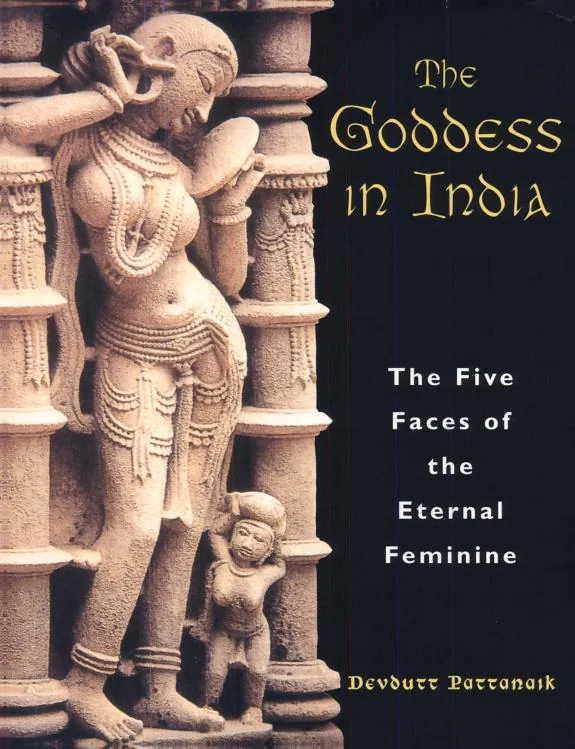
Devdutt Pattanaik's "The Goddess in India" offers a valuable, albeit dense, exploration of a pervasive element in Hindu devotion. The author’s strength lies in his ability to connect ancient textual traditions with vivid visual evidence, a feat amplified by the inclusion of forty color plates. One particularly illuminating section details the regional variations of the Devi, showcasing how a singular concept manifests through distinct local goddesses, each with unique mythologies and rituals. However, the sheer scope can sometimes lead to a feeling of breadth over depth; certain complex philosophical underpinnings of Shakti, for instance, are touched upon but not fully unpacked for the uninitiated. The book would benefit from a more direct engagement with post-colonial critiques of religious scholarship on India. Nevertheless, Pattanaik provides a well-researched and visually rich compendium on a crucial aspect of Hindu theology.
📝 Description
76
Devdutt Pattanaik's 2007 book traces 4,000 years of goddess veneration across India.
The Goddess in India examines the worship of female deities throughout the Indian subcontinent, covering a span of approximately 4,000 years. Pattanaik chronicles the evolution of goddess worship from its earliest forms to its present-day manifestations within Hinduism. The book is notable for its combination of textual analysis and visual documentation, featuring numerous color photographs of iconography and sacred sites.
Pattanaik situates goddess cults within the larger context of Indian history, referencing periods influenced by Vedic traditions, the Puranic age, and Tantric developments. The work acknowledges the varied regional expressions of goddess worship, showing how local customs often blended with pan-Indian theological frameworks. It implicitly touches upon academic discussions regarding the Aryan migration theory and the origins of indigenous Indian religions.
The book addresses key concepts such as Shakti, the divine feminine energy, the tripartite divine feminine (Saraswati, Lakshmi, Parvati/Durga), and the Devi Mahatmya. It also looks at the historical integration of local mother goddesses into the broader Hindu pantheon, illustrating the adaptable nature of religious belief and practice in India.
This work engages with the rich and complex traditions of the divine feminine in Hinduism, a lineage often understood through tantric practices and the concept of Shakti. It examines how these potent feminine energies have been conceptualized, worshipped, and integrated into the broader Hindu cosmology over millennia. The book touches upon the philosophical underpinnings of goddess worship, connecting it to the cyclical nature of creation and destruction, and the various forms divine feminine power takes.
💡 Why Read This Book?
• Gain a comprehensive overview of goddess worship in India over 4,000 years, understanding its historical trajectory and diverse expressions as detailed in the "Historical Context" section. • Learn about the concept of Shakti and key figures like Saraswati, Lakshmi, and Durga, providing specific examples of the divine feminine in Hinduism. • Appreciate the visual dimension of goddess veneration through the book's forty color photographs, connecting iconography to the ancient lore discussed.
⭐ Reader Reviews
Honest opinions from readers who have explored this book.
❓ Frequently Asked Questions
What is the primary focus of Devdutt Pattanaik's "The Goddess in India"?
The book primarily focuses on the 4,000-year evolution of goddess worship in India, examining its historical development, diverse manifestations, and theological significance within Hinduism.
How does "The Goddess in India" illustrate its points?
The book uses a combination of textual analysis of ancient lore and legends, alongside forty color photographs that showcase goddess iconography, temples, and related visual traditions.
Which major goddesses are discussed in the book?
Key goddesses covered include manifestations of the divine feminine like Saraswati, Lakshmi, Parvati, Durga, and various regional mother goddesses integrated into the Hindu pantheon.
Is "The Goddess in India" suitable for beginners in religious studies?
Yes, while comprehensive, the book provides foundational information on the goddess cult, making it accessible to beginners interested in comparative mythology and Indian religions.
When was "The Goddess in India" first published?
The book was first published in September 2000, offering a foundational survey of the topic at the turn of the millennium.
What is the concept of Shakti as presented in the book?
Shakti is presented as the divine feminine energy, the primordial cosmic power that animates the universe, a central concept explored throughout the book's examination of goddess traditions.
🔮 Key Themes & Symbolism
Evolution of Shakti Worship
The work meticulously traces the historical trajectory of Shakti, the concept of divine feminine power, across India. It details how this fundamental principle evolved from its earliest manifestations, likely predating the Vedic period, through its integration into Puranic Hinduism and Tantric practices. Pattanaik highlights the syncretism of local mother goddesses into broader pan-Indian traditions, demonstrating the dynamic and adaptive nature of this veneration over four millennia.
Iconography and Visual Representation
A significant aspect of the book is its emphasis on the visual dimensions of goddess worship. The inclusion of forty color photographs serves not merely as illustration but as integral evidence, connecting textual descriptions of deities like Durga, Lakshmi, and Saraswati with their physical representations in sculpture, painting, and temple art. This visual approach underscores the embodied nature of devotion and the material culture surrounding these traditions.
Regional Diversity of the Divine Feminine
Pattanaik underscores that the goddess is not a monolithic entity in India but a complex collection of regional expressions. The book explores how distinct local goddesses, often tied to specific geographical areas or communities, were assimilated into the larger Hindu framework, frequently embodying different facets of the supreme feminine power. This highlights the interplay between pan-Indian theology and localized folk traditions.
The Tripartite Goddess
The book dedicates attention to the popular concept of the divine feminine manifesting as three primary goddesses: Saraswati (knowledge and arts), Lakshmi (wealth and prosperity), and Parvati/Durga (power and motherhood/destruction). Pattanaik examines the mythological origins and symbolic roles of these figures, illustrating their distinct yet interconnected functions within the Hindu pantheon and their significance in daily life and spiritual practice.
💬 Memorable Quotes
Direct passages from the work, attributed to the author.
“The worship of the goddess in India is as old as the land itself.”
— This statement emphasizes the profound antiquity and deep-rooted nature of goddess veneration in the Indian subcontinent, suggesting its origins predate many other established religious traditions.
“Shakti is the energy that animates the universe, the feminine principle underlying creation.”
— This highlights the core theological concept of Shakti as the active, creative force and divine feminine power that is fundamental to the cosmology and philosophy of Hindu traditions discussed.
“Local goddesses were often absorbed into the Puranic pantheon, adapting their myths and roles.”
— This points to the historical process of religious syncretism in India, where indigenous deities were integrated into the Brahmanical system, illustrating the dynamic evolution of religious beliefs.
“The image of the goddess reflects not just divine power, but also societal aspirations and fears.”
— This suggests that the iconography and mythology surrounding goddesses serve a dual purpose: representing transcendental divine attributes while also acting as a mirror to human concerns and cultural values.
“From the fierce Mahishasuramardini to the benevolent Annapurna, the goddess embodies manifold forms.”
— This illustrates the vast spectrum of divine feminine representation in India, encompassing destructive power against evil (Mahishasuramardini) and nurturing abundance (Annapurna), showcasing the complex nature of her worship.
🌙 Esoteric Significance
Tradition
While rooted in Hindu tradition, Pattanaik's work touches upon concepts resonant with esoteric traditions globally, particularly those focusing on the divine feminine. The exploration of Shakti aligns with Gnostic concepts of Sophia or the Shekhinah in Kabbalah, emphasizing a creative, immanent divine principle. The book’s focus on the energetic aspect of divinity and its manifestation in diverse forms offers a bridge for those exploring the Tantric traditions, which have significant crossover with various Western esoteric practices interested in embodying divine forces.
Symbolism
Key symbols explored include the lotus, often representing purity, spiritual awakening, and divine beauty associated with goddesses like Lakshmi. The trident (Trishul), a weapon of Durga, symbolizes the three primary functions of the divine feminine: creation, preservation, and destruction, or alternatively, the three gunas (Sattva, Rajas, Tamas). The lion or tiger, frequently depicted as the goddess's mount, symbolizes power, ferocity, and the subjugation of ego and wild nature.
Modern Relevance
Contemporary spiritual seekers and practitioners, particularly those involved in feminist theology, neo-paganism, and Goddess spirituality, find Pattanaik's work a valuable resource. Modern yoga and Tantra practitioners often draw upon the concepts of Shakti and the divine feminine as explored in the book. Thinkers and artists exploring cross-cultural mythologies and the archetypal feminine continue to reference Pattanaik's accessible synthesis of complex Indian traditions.
👥 Who Should Read This Book
• Students of comparative mythology and religious studies seeking a structured overview of Indian goddess traditions and their historical development. • Individuals interested in Hinduism and the role of the divine feminine, who will gain specific insights into figures like Shakti, Durga, Lakshmi, and Saraswati. • Readers with an interest in cultural anthropology and the evolution of religious practices, appreciating the book's blend of textual lore and visual iconography.
📜 Historical Context
Published in 2000, "The Goddess in India" emerged during a period of renewed global interest in Eastern spirituality and comparative religion. Devdutt Pattanaik's work arrived as academic discourse was grappling with post-colonial interpretations of Indian religious history, often challenging earlier colonial-era scholarship. The book implicitly engaged with ongoing debates concerning the origins of indigenous Indian practices versus Vedic influences, particularly regarding the pre-Vedic roots of mother goddess cults. While not explicitly engaging with contemporaries like Wendy Doniger or Diana Eck in this specific text, Pattanaik's approach to synthesizing textual and visual evidence aligns with broader trends in religious studies scholarship of the late 20th century. The book's reception contributed to a wider accessibility of complex Hindu theological concepts for an international audience, avoiding the dense academic prose typical of many scholarly works on the subject.
📔 Journal Prompts
The evolution of Shakti worship over 4,000 years.
The symbolic meaning of the Trishul as presented.
Regional variations of the divine feminine in India.
The concept of the tripartite goddess: Saraswati, Lakshmi, and Parvati.
The role of iconography in understanding goddess traditions.
🗂️ Glossary
Shakti
The primordial cosmic energy and the divine feminine principle, often personified as a goddess, considered the active, creative force in the universe within Hindu philosophy.
Devi
A Sanskrit term meaning 'Goddess,' referring generally to a principal female deity in Hinduism, encompassing a vast array of forms and traditions.
Puranic Age
A period in ancient Indian history (roughly 4th to 15th centuries CE) characterized by the compilation of the Puranas, epic narratives detailing cosmology, theology, and genealogies, including significant goddess lore.
Tantric traditions
Esoteric religious practices originating in India, often involving rituals, meditation, and yoga, that emphasize the use of divine energy (Shakti) for spiritual liberation and transformation.
Mahishasuramardini
A form of the goddess Durga depicted as the slayer of the buffalo demon Mahishasura, symbolizing the triumph of good over evil and divine power over chaos.
Annapurna
A manifestation of the goddess Parvati, revered as the provider of food and nourishment, symbolizing abundance, sustenance, and the nurturing aspect of the divine feminine.
Syncretism
The merging or blending of different religious beliefs, practices, and traditions, often seen in the assimilation of local deities into the larger Hindu pantheon.
This book appears in 1 collection
🔮 Readers Also Liked
Browse all →








From the “Hinduism” Collection
View all →






More Free Occult Philosophy Books
View all →