What is Herbalism?
Herbalism is the study and practice of using plants for medicinal, culinary, and spiritual purposes. It encompasses understanding plant identification, preparation methods, dosages, and the therapeutic properties of various botanicals. Historically, herbalism has been a primary form of healthcare across many cultures, relying on empirical knowledge passed down through generations. Modern herbalism often integrates scientific research with traditional practices, exploring the chemical compounds within plants and their effects on the human body and spirit.
Best Books for Complete Beginners
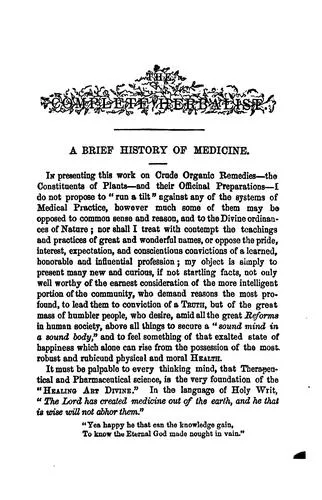
For those new to herbalism, starting with practical guides is essential. 'Complete Herbalist; Or, People Their Own Physician' by O. Phelps Brown provides a foundational understanding of plant remedies and self-care. 'Herbal Home Doctor' by Robin Hayfield, Sue Hawkey, and Sally Morningstar offers accessible advice for common ailments. 'The Illustrated Encyclopedia of Essential Oils' by Julia Lawless is a comprehensive visual guide to plant extracts and their uses. 'Foods, Herbs, Health and Healing' by John Smith covers a broad spectrum of plant-based wellness. Finally, 'The Herbalist's Happy Hour' by Susan D Evans offers a unique approach to herbalism through infused beverages.
Intermediate Reading
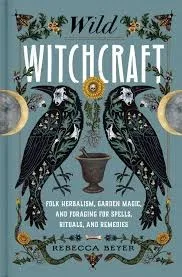
Building on foundational knowledge, intermediate texts delve deeper into specific aspects of herbalism. 'Alchemy of herbs' by Rosalee de la Foret explores the magical and transformative properties of plants. 'Blackthorn's Botanical Magic' by Amy Blackthorn offers practical applications for incorporating herbs into magical practices. 'Wild Witchcraft' by Rebecca Beyer provides a guide to foraging and using wild plants. 'Herbal Magic' by Scott Markson expands on the spiritual and ritualistic uses of herbs, offering techniques for practitioners.
Classical / Advanced Texts
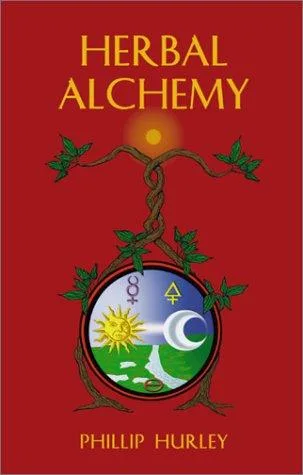
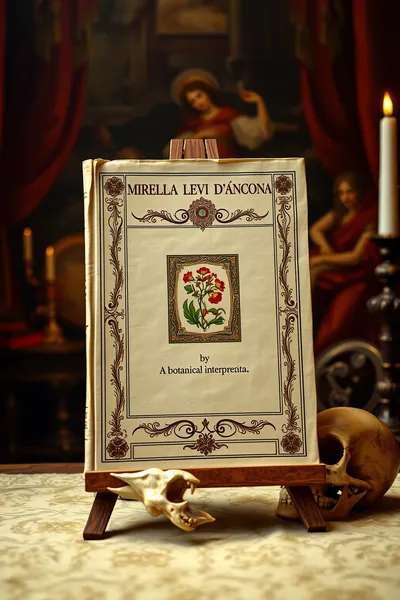
Advanced study involves exploring historical compendiums and more specialized applications. 'Elixirs of life' by C. F. Mrs. Leyel looks at historical preparations and potent remedies. 'Herbal Alchemy' by Phillip Hurley and 'Herbalism and Alchemy' by Green Witch explore the synergistic relationship between herbalism and alchemical principles. For a unique historical and botanical analysis, 'Botticelli's Primavera. A botanical interpretation including astrology, alchemy and the Medici' by Mirella Levi D'Ancona offers scholarly depth into the symbolic use of plants.
Reading Order — Step by Step
Begin your herbalism journey with practical guides. Month 1: Start with 'Complete Herbalist; Or, People Their Own Physician' by O. Phelps Brown for core principles, followed by 'The Illustrated Encyclopedia of Essential Oils' by Julia Lawless for identification and properties. Month 2: Transition to 'Alchemy of herbs' by Rosalee de la Foret and 'Blackthorn's Botanical Magic' by Amy Blackthorn to explore the magical and spiritual dimensions. Month 3: Engage with more specialized texts like 'Elixirs of life' by C. F. Mrs. Leyel for historical depth, and 'Herbal Alchemy' by Phillip Hurley for advanced concepts. Continue exploring authors and topics that resonate with your interests.
Frequently Asked Questions
Which herbalism book should I read first?
For beginners, 'Complete Herbalist; Or, People Their Own Physician' by O. Phelps Brown is an excellent starting point. It provides a broad foundation in plant properties and historical self-care methods.
What's the difference between herbalism and alchemy?
Herbalism focuses on the medicinal and practical uses of plants. Alchemy, while often incorporating herbs, is a broader philosophical and proto-scientific tradition seeking transformation and the creation of elixirs or gold.
Are there books on the magical uses of herbs?
Yes, texts like 'Blackthorn's Botanical Magic' by Amy Blackthorn and 'Herbal Magic' by Scott Markson explore the spiritual and ritualistic applications of plants in witchcraft and magical practices.
Where can I learn about essential oils?
'The Illustrated Encyclopedia of Essential Oils' by Julia Lawless is a highly recommended resource, offering detailed information on distillation, properties, and uses of various essential oils.
Do any books cover historical herbalism?
Absolutely. 'Complete Herbalist; Or, People Their Own Physician' by O. Phelps Brown offers a look at 19th-century practices, while 'Elixirs of life' by C. F. Mrs. Leyel looks at older traditions and potent preparations.
What are entheogens?
Entheogens are psychoactive substances, often derived from plants, used in spiritual contexts to induce altered states of consciousness. ERIC ED407298 discusses their return to prominence.