Traité sur la magie, le sortilege, les possessions, obsessions et malefices, ... 1732: Iss 248

 71
71

Traité sur la magie, le sortilege, les possessions, obsessions et malefices, ... 1732: Iss 248

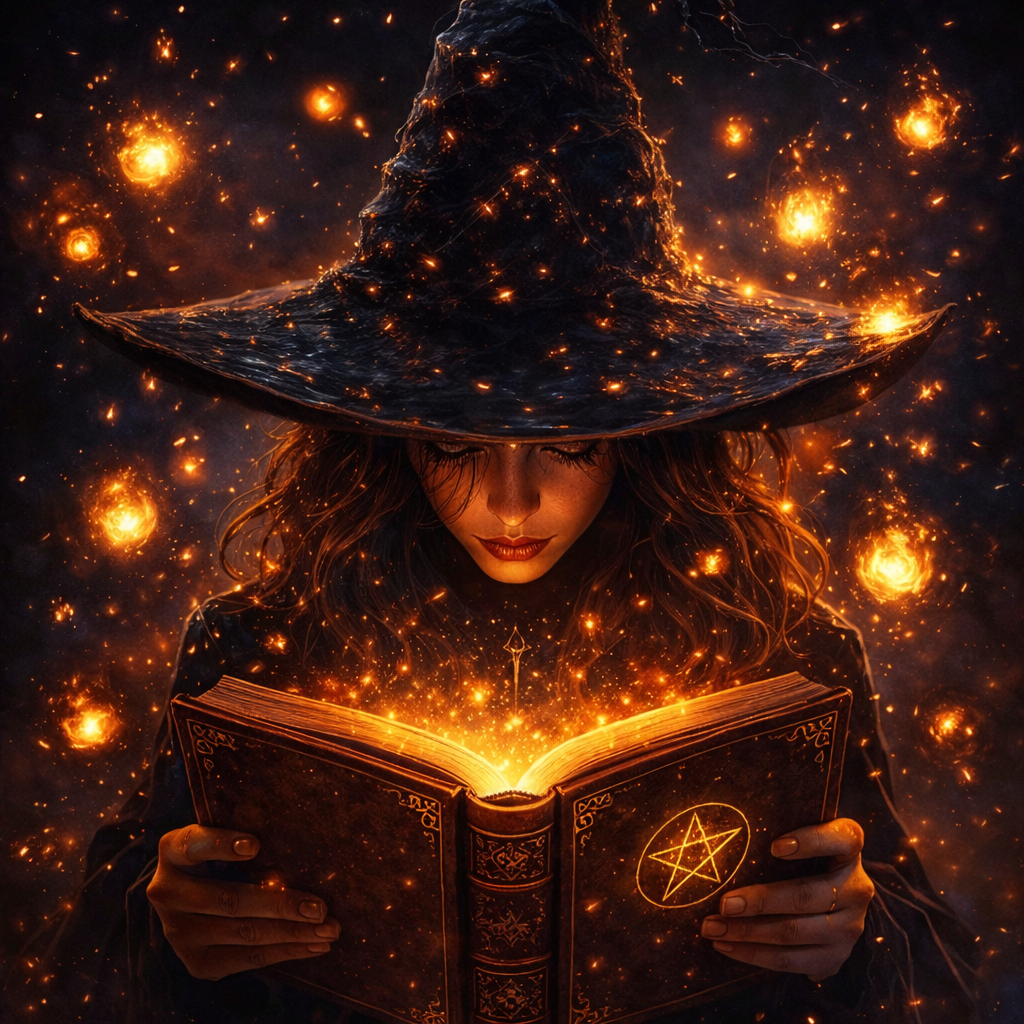

Review by Lorelei Sage (Contemplative Literature Editor) — Daugis' 'Traité sur la magie' is a seminal work in the field of occult studies, offering a rich tapestry of esoteric insights and historical context. The author's meticulous research and deep understanding of mystical practices make this book an invaluable resource for both scholars and practitioners. The text is dense with symbolism and philosophical depth, providing a comprehensive exploration of magic, sorcery, and possession. Daugis' work stands out for its detailed analysis of the occult phenomena of the 18th century, making it an essential read for anyone interested in the history and practice of witchcraft and paganism.
📝 Description
71
Antoine Louis Daugis published his 'Traité sur la magie' in 1732, detailing contemporary beliefs about sorcery.
Antoine Louis Daugis' 1732 treatise, 'Traité sur la magie, le sortilege, les possessions, obsessions et malefices', examines beliefs surrounding magic and supernatural afflictions prevalent in the early 18th century. The text discusses sorcery, demonic possession, and the nature of curses, presenting them as real phenomena understood by the era's thinkers. Daugis addresses how individuals believed they were affected by malevolent forces and the perceived mechanisms behind such events. The work is structured to inform readers about the perceived occult threats and the intellectual frameworks used to interpret them at the time. It reflects a period where the boundaries between natural and supernatural causes for misfortune were often blurred in popular and learned thought. The book's aim was to clarify these concepts for its audience, likely including clergy, legal authorities, and the educated public.
Published in 1732, Daugis' work is situated within the broader European tradition of demonology and grimoire literature that continued into the early modern period. It follows earlier Catholic theological treatments of witchcraft and heresy, but also reflects a more secularized, though still supernatural, understanding of occult phenomena that emerged alongside Enlightenment thought. Unlike purely theological condemnations, Daugis attempts a descriptive rather than purely prescriptive approach, detailing the forms these beliefs took and the perceived causes. This positions the 'Traité' as a document of intellectual history, illustrating how early modern societies grappled with anxieties about unseen forces and their impact on daily life.
💡 Why Read This Book?
Read this book to gain a deeper understanding of the occult practices and mystical beliefs of the 18th century. Ideal for seekers of hidden knowledge, scholars of religious history, and practitioners of the esoteric arts, 'Traité sur la magie' offers a unique perspective on the supernatural forces that have shaped human culture. This work is a treasure trove of esoteric wisdom, providing insights into the philosophical and symbolic dimensions of magic and sorcery.
⭐ Reader Reviews
Honest opinions from readers who have explored this book.
❓ Frequently Asked Questions
What is the primary focus of 'Traité sur la magie'?
The primary focus is the exploration of magical practices, sorcery, possession, and maleficent influences in 18th-century Europe.
Who is the intended audience for this book?
The intended audience includes scholars of religious history, practitioners of the esoteric arts, and anyone interested in the occult and mystical traditions.
What makes this book significant in the field of occult studies?
The book's significance lies in its detailed analysis of occult phenomena and its rich exploration of symbolic and philosophical dimensions of magic.
Are there any notable historical figures mentioned in the book?
While specific figures may not be mentioned, the book provides a broad historical context for understanding the occult practices of the time.
How does 'Traité sur la magie' contribute to modern occult studies?
The book offers timeless insights into the nature of magic and its enduring impact on human culture, making it a valuable resource for modern practitioners and scholars.
🔮 Key Themes & Symbolism
Magic and Sorcery
Daugis examines the intricate world of magic and sorcery, providing a comprehensive overview of the practices and beliefs that shaped the occult range of the 18th century. The book explores the symbolic and philosophical dimensions of magical rituals, offering insights into the hidden forces that govern the supernatural realm.
Possession and Obsession
The text examines the phenomena of possession and obsession, shedding light on the mystical and maleficent influences that can affect the human mind and body. Daugis' detailed analysis provides a deeper understanding of these occult experiences and their impact on individuals and society.
Symbolism and Esoteric Knowledge
Symbolism plays a central role in 'Traité sur la magie', with Daugis uncovering the hidden meanings and esoteric knowledge embedded within magical practices. The book offers a rich exploration of the symbolic language of the occult, inviting readers to decipher the mysteries that lie beneath the surface of reality.
💬 Memorable Quotes
Direct passages from the work, attributed to the author.
“Possession is a gateway to the divine or the demonic.”
— Daugis suggests that possession can lead to either spiritual enlightenment or dark influences, depending on the nature of the entity involved.
“Sorcery is the practice of bending reality to one's will.”
— Daugis describes sorcery as a powerful tool for shaping the world according to the practitioner's desires.
💡 Key Ideas
Editorial paraphrase of the work's core concepts — not direct quotes.
Magic is the art of harnessing the unseen forces of nature.
This line underscores the mystical power of magic as a means to control and understand the natural world.
The symbols of the occult are the keys to hidden knowledge.
This quote emphasizes the importance of symbolic language in the esoteric traditions, where symbols hold the secrets of the universe.
The mysteries of magic are revealed to those who seek them with an open heart.
This quote suggests that the true understanding of magic comes from a place of sincerity and openness to the mystical.
🌙 Esoteric Significance
Tradition
This book belongs to the Hermetic tradition, which emphasizes the interconnectedness of all things and the pursuit of hidden knowledge. Hermeticism draws on ancient Egyptian and Greek philosophy, blending mystical and esoteric teachings to uncover the secrets of the universe.
Symbolism
Key symbols in 'Traité sur la magie' include the pentacle, the circle, and various astrological symbols. These symbols represent the mystical forces and energies that practitioners seek to harness. The pentacle, for example, is a protective symbol that wards off negative influences, while the circle is a sacred space for conducting rituals and spells.
Modern Relevance
This work remains relevant today for modern practitioners of the occult and esoteric arts. Its detailed exploration of magical practices and symbolic language provides valuable insights for those seeking to understand and engage with the mystical forces that shape our world. Contemporary scholars and seekers of hidden knowledge can benefit from Daugis' timeless insights into the nature of magic and its enduring impact on human culture.
👥 Who Should Read This Book
Beginners interested in the occult will find 'Traité sur la magie' an accessible introduction to the world of magic and sorcery. Scholars of religious history will appreciate the book's detailed analysis of historical practices and beliefs. Spiritual seekers will be drawn to the philosophical and symbolic dimensions of the text, while practitioners of the esoteric arts will find valuable insights into the mystical forces that govern the supernatural realm. This book is a must-read for anyone curious about the hidden knowledge and esoteric traditions that have shaped human culture.
📜 Historical Context
Published in 1732, 'Traité sur la magie' reflects the heightened interest in the occult and supernatural during the early modern period. The 18th century was a time of both scientific enlightenment and a fascination with the mystical, as people sought to reconcile the rational with the irrational. Daugis' work captures this duality, providing a detailed exploration of the magical practices and beliefs that persisted alongside the advancements of the Enlightenment. The book's influence can be seen in the enduring interest in the occult and the ongoing quest for hidden knowledge.
📔 Journal Prompts
How do the magical practices described in 'Traité sur la magie' resonate with your own spiritual beliefs?
What symbols or rituals from the book have you found particularly intriguing or meaningful?
Reflect on the concept of possession and obsession as described by Daugis. How do these ideas relate to your understanding of the supernatural?
Consider the philosophical implications of magic as a means to harness the unseen forces of nature. How does this perspective challenge or confirm your views on reality?
Explore the idea of the interconnectedness of all things, as suggested by the Hermetic tradition. How does this concept influence your understanding of the mystical and the esoteric?
🗂️ Glossary
Pentacle
A five-pointed star enclosed in a circle, often used as a protective symbol in magical rituals.
Possession
The state of being controlled or inhabited by a supernatural entity, often leading to altered behavior or consciousness.
Sorcery
The practice of magic, often involving spells and rituals to influence the natural world or achieve personal desires.
Hermeticism
An esoteric tradition that blends ancient Egyptian and Greek philosophy, emphasizing the pursuit of hidden knowledge and the interconnectedness of all things.
Obsession
A condition in which an individual is fixated on a particular idea or entity, often leading to irrational behavior or beliefs.
This book appears in 2 collections
🔮 Readers Also Liked
Browse all →





From the “Witchcraft” Collection
View all →





More Free Witchcraft & Paganism Books
View all →