Circle of Three
 78
78

Circle of Three
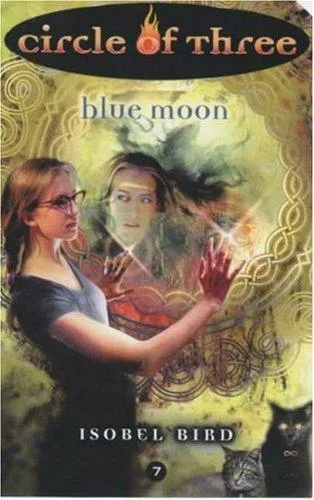
Ford’s "Circle of Three" presents a less flamboyant, more procedural look at Wiccan covens than many popular accounts. The strength lies in its methodical dissection of coven structure and ritual progression, offering a glimpse into the operational mechanics of a group dedicated to earth-based spirituality. However, the book occasionally feels detached, prioritizing descriptive analysis over the lived, emotional experience of its subjects. A particularly insightful passage details the careful choreography of a ritual circle cast, emphasizing intention and energy flow. While informative, it lacks the spark that ignites deeper engagement with the spiritual core of the practice. It serves as a competent, if somewhat clinical, introduction to coven dynamics.
📝 Description
78
Michael Thomas Ford published "Circle of Three" in 2001, examining modern Wiccan covens.
Published in 2001, "Circle of Three" by Michael Thomas Ford offers a grounded perspective on Wicca and witchcraft, moving past sensationalism. The book details the internal workings and belief systems of contemporary pagan covens. It breaks down the structure of magical practice and the philosophical ideas that guide its adherents. Readers interested in the practical and philosophical sides of modern witchcraft will find this work useful. It is particularly for those wanting to understand the organizational and ritual aspects of Wiccan covens. The book appeals to individuals curious about how modern pagan communities operate, the roles within them, and how these traditions evolved from earlier forms. Ford engages with established Wiccan traditions, implicitly addressing perceptions shaped by earlier figures in the field.
The narrative centers on the book's titular "Circle of Three" concept, proposing it as a core unit for magical work and community. Ford discusses the roles of the High Priestess and High Priest, the process of initiation, and the cyclical nature of Sabbats and Esbats. The work also touches on the concept of the God and Goddess as archetypal forces within the Wiccan cosmology. This examination provides insight into the structure and beliefs of modern pagan groups.
Emerging in 2001, "Circle of Three" arrived as public interest in paganism and witchcraft grew following the late 20th-century occult revival. The book contributed to a widening body of literature that sought to demystify these practices. It directly engages with established Wiccan traditions, acknowledging the influence of figures like Gerald Gardner and addressing both scholarly and popular views on witchcraft.
💡 Why Read This Book?
• Understand the foundational "Circle of Three" concept, learning how this specific organizational structure informs ritual efficacy and group cohesion within Wicca. • Gain insight into the roles of leadership, such as the High Priestess and High Priest, and their symbolic significance as presented in the text. • Explore the cyclical calendar of Sabbats and Esbats, appreciating their cosmological importance and how they structure the year for practitioners.
⭐ Reader Reviews
Honest opinions from readers who have explored this book.
❓ Frequently Asked Questions
What is the primary focus of Michael Thomas Ford's "Circle of Three"?
The book primarily focuses on the structure, rituals, and belief systems of contemporary Wiccan covens, offering a procedural look at their organization and practice.
When was "Circle of Three" first published?
"Circle of Three" was first published in 2001, a period marked by growing public awareness of pagan and witchcraft traditions.
Does the book explain specific Wiccan rituals?
Yes, the work explains various aspects of Wiccan ritual, including circle casting, the roles of deities, and the significance of seasonal celebrations like Sabbats.
Who are the key figures within a Wiccan coven as described in the book?
The book highlights the roles of the High Priestess and High Priest as central figures responsible for leading rituals and guiding the coven.
Is "Circle of Three" suitable for beginners in witchcraft?
It is suitable for beginners interested in the organizational and philosophical aspects of covens, offering a foundational understanding of their structure and practices.
What is the significance of the 'Circle of Three' concept itself?
The 'Circle of Three' refers to a core unit of magical working and community structure within the coven, emphasizing intention and shared energy.
🔮 Key Themes & Symbolism
Coven Structure and Hierarchy
The work meticulously details the organizational framework of a Wiccan coven, emphasizing the "Circle of Three" as a fundamental unit. It elaborates on the distinct roles of the High Priestess and High Priest, outlining their responsibilities in ritual leadership and community governance. This structure is presented not merely as tradition but as integral to the effective channeling of magical energies and the maintenance of group cohesion, offering a practical blueprint for communal spiritual practice.
Ritual Dynamics and Intent
Ford dissects the process of ritual construction within the coven, from the casting of the circle to the invocation of deities and the performance of spellwork. The emphasis is placed on the power of focused intent and collective will. It explores how elements like sacred space, symbolic tools, and spoken liturgy converge to create a potent atmosphere for magical work, highlighting the psychological and energetic components of ceremonial practice.
The Wiccan Pantheon and Cosmology
The book touches upon the core deities within the Wiccan pantheon, typically the God and Goddess, presenting them as archetypal forces. It explains their symbolic representation and their role in the cyclical understanding of life, death, and rebirth. The cosmology described is deeply connected to the natural world and its rhythms, influencing the timing of rituals and the overall spiritual outlook of the practitioners.
Initiation and Progression
Central to coven life is the concept of initiation, marking a member's formal entry and progression through different levels of understanding and responsibility. "Circle of Three" illustrates how these rites of passage serve to integrate individuals into the group's spiritual lineage and to foster a deeper commitment to the Craft. This progression is often tied to the acquisition of knowledge and the development of magical skills.
💬 Memorable Quotes
Direct passages from the work, attributed to the author.
“The circle is cast not just with chalk and cord, but with intention and will.”
— This highlights the core Wiccan belief that magical workings are primarily powered by the focused mental energy and directed will of the practitioners, rather than solely by external tools or symbols.
“Within the coven, roles are defined to facilitate collective energy.”
— This emphasizes the communal aspect of Wiccan practice, where specific positions like High Priestess and High Priest are designed to channel and amplify the group's spiritual and magical power effectively.
“The cycle of the year mirrors the cycles of life and deity.”
— This interpretation points to the earth-based nature of Wicca, where seasonal festivals (Sabbats) and lunar observances (Esbats) are seen as reflections of universal patterns of birth, growth, death, and rebirth, personified by the God and Goddess.
“Initiation marks a commitment to the Craft and its lineage.”
— This underscores the importance of formal entry into a coven, signifying not only personal dedication but also an acceptance of the historical and spiritual continuity of witchcraft traditions.
“The Goddess and God are not distant deities, but immanent forces.”
— This suggests a pantheistic or panentheistic view within Wicca, where divine energies are seen as present within all things and within nature, rather than being separate from the material world.
🌙 Esoteric Significance
Tradition
While not strictly adhering to a single lineage, "Circle of Three" draws heavily from the Gardnerian and Alexandrian traditions of Wicca, which form the bedrock of much modern Western witchcraft. It fits within the broader Neopagan movement, which seeks to revive or reinterpret pre-Christian European nature religions. The work departs from more esoteric, ceremonial traditions by focusing on the communal and practical aspects of magic within a defined social structure.
Symbolism
Key symbols include the circle itself, representing sacred space, the cosmos, and unity; the athame, a ritual dagger symbolizing the element of fire and the masculine principle; and the chalice, representing the element of water and the feminine principle. The union of the God and Goddess also symbolizes the balance of polarities essential for creation and magical manifestation.
Modern Relevance
Contemporary practitioners and students of Wicca and witchcraft continue to reference "Circle of Three" for its clear exposition of coven dynamics. Its focus on structure and ritual process remains relevant for those seeking to understand or establish organized magical communities. Thinkers exploring the sociology of religion and the evolution of modern spiritual movements find value in its detailed, early 21st-century snapshot of the Craft.
👥 Who Should Read This Book
• Aspiring Wiccans seeking to understand coven structure and roles, particularly the dynamics between High Priestess and High Priest. • Students of comparative religion interested in the organizational frameworks and ritual practices of contemporary pagan movements. • Readers curious about the practical application of earth-based spirituality and its community-building aspects beyond individual practice.
📜 Historical Context
Published in 2001, "Circle of Three" emerged during a dynamic period for contemporary paganism. The late 20th century saw a significant surge in interest in witchcraft and Wicca, moving from subcultural fringe to greater public visibility, partly fueled by influential figures like Doreen Valiente and the legacy of Gerald Gardner. Ford's work contributed to this expanding discourse by offering a more structured, less sensationalized portrayal of coven life. It implicitly engaged with earlier, often more romanticized or conspiratorial, depictions of witchcraft. The book arrived in an era where scholarly works on Paganism, such as those by scholars like Ronald Hutton, were also gaining traction, providing a more academic counterpoint to popular literature. While not facing direct censorship, the general reception of such works often involved navigating societal skepticism and the lingering impact of earlier moral panics surrounding witchcraft.
📔 Journal Prompts
The definition and function of the 'Circle of Three' within coven practice.
Reflect on the symbolic meaning of the High Priestess and High Priest roles.
Analyze the significance of the cyclical calendar (Sabbats and Esbats) in Wiccan life.
Consider the role of intention in ritual casting as described in the text.
Explore the concept of initiation as a commitment to the Craft's lineage.
🗂️ Glossary
Coven
A group of witches, typically numbering around 13 members, who gather for ritual and magical practice. The structure and size can vary.
High Priestess
The female leader of a Wiccan coven, often seen as embodying the divine feminine principle and responsible for guiding rituals and teachings.
High Priest
The male counterpart to the High Priestess, often representing the divine masculine principle and assisting in ritual leadership and magical workings.
Circle Casting
The ritual act of creating a sacred, consecrated space for magical work, typically by drawing or visualizing a circle on the ground.
Sabbat
One of the eight major seasonal festivals celebrated in many Wiccan traditions, marking significant points in the solar year, such as Samhain and Beltane.
Esbat
A ritual or meeting held during the full moon, which is considered a time of heightened magical power in many Wiccan traditions.
Athame
A ritual dagger, typically with a black hilt, used for directing energy and casting circles, but not for physical cutting. Represents the element of fire.
🔮 Readers Also Liked
Browse all →







More by Michael Thomas Ford
All books →


More Free Witchcraft & Paganism Books
View all →