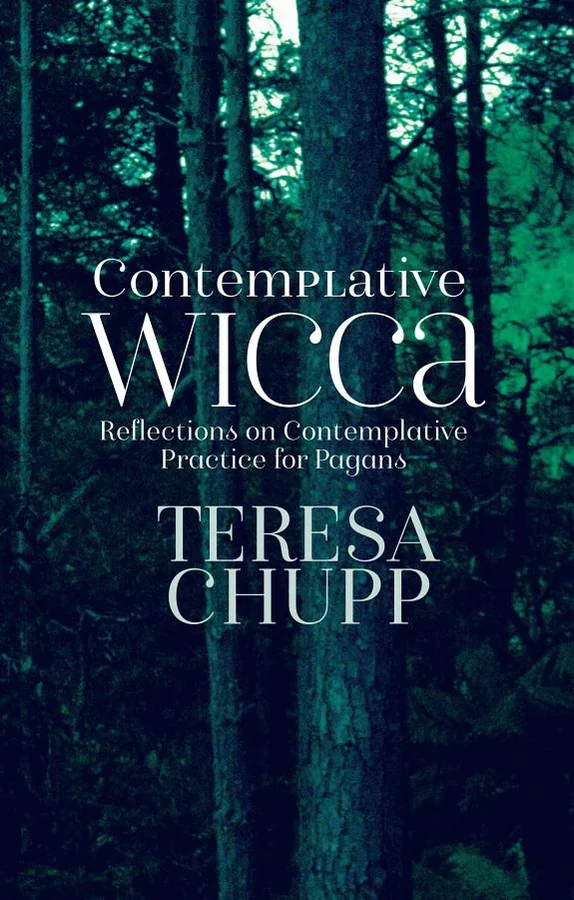
Contemplative Wicca
 82
82

Contemplative Wicca
Teresa Chupp's *Contemplative Wicca* presents a bold re-imagining of Wiccan practice, moving away from polytheistic structures towards a monotheistic, scientifically-informed framework. The concept of Oneness as a unifying principle, explored in the book, offers a compelling alternative for those seeking a more integrated spiritual path. Chupp's strength lies in her ability to articulate a coherent theological system that bridges what might seem like disparate concepts: a singular deity with the veneration of nature and scientific reasoning. However, the exclusive focus on contemplation, while the book's core thesis, may leave practitioners accustomed to more elaborate ritualistic or coven-based work feeling that a significant dimension of traditional Wicca has been abstracted. A passage discussing the 'spirit of unity' as essential for societal healing highlights the book's ambition beyond personal practice, aiming for broader social impact. Ultimately, *Contemplative Wicca* is a significant, if potentially niche, contribution to contemporary pagan thought, prioritizing intellectual coherence and inner work.
📝 Description
82
Published in 2018, Teresa Chupp's Contemplative Wicca grounds pagan practice in scientific principles and the concept of Oneness.
Contemplative Wicca proposes a monotheistic, pagan theology designed to foster spiritual growth through contemplation and connection to nature. The book shifts from common polytheistic interpretations to a unified view of divinity, emphasizing inner reflection over complex ritual. Chupp structures this approach around scientific understanding and the inherent interconnectedness of all things.
This work is for practitioners seeking a more structured and intellectually grounded path within Wicca. It will resonate with those interested in a monotheistic reading of pagan divinity and a practice focused on introspection. Readers curious about the convergence of science, spirituality, and ecological reverence will find its perspective distinct.
This 2018 book enters a period of evolving discourse in Neopaganism. While many Wiccan traditions focus on polytheism, Chupp engages a theological current that synthesizes monotheistic ideas with pagan nature veneration. This approach reflects a broader spiritual search for unity and a scientific basis for belief, re-contextualizing earlier movements for a modern, scientifically aware audience.
💡 Why Read This Book?
• You will learn how the concept of Oneness, as presented in the book, can logically underpin a contemplative spiritual practice, offering a unique monotheistic pagan theology distinct from traditional polytheistic models. • Gain practical methods for integrating scientific understanding with spiritual veneration of nature, a core tenet of Chupp's approach that diverges from purely mystical interpretations. • Discover how this specific framework, as detailed in *Contemplative Wicca*, can foster a sense of unity essential for healing societal divisions, providing actionable insights for personal and communal well-being.
⭐ Reader Reviews
Honest opinions from readers who have explored this book.
❓ Frequently Asked Questions
What is the core theological stance of Contemplative Wicca?
Contemplative Wicca proposes a monotheistic, pagan theology centered on the concept of Oneness. This view posits a singular divine principle that manifests through nature, offering an alternative to traditional polytheistic interpretations within Wicca.
How does science factor into this practice?
The book integrates scientific principles as a foundation for spiritual practice. It argues that understanding the interconnectedness of the universe through science logically supports the concept of Oneness and the contemplative path.
Is this book suitable for beginners in Wicca?
It is best suited for those with some familiarity with Wiccan concepts or those specifically seeking a contemplative, monotheistic, and science-aligned approach. Beginners might benefit from understanding traditional Wicca first.
What is the significance of 'Oneness' in this context?
Oneness is the central concept, representing the underlying unity of all existence. The book posits this as the logical underpinning for contemplation and a vital element for fostering societal healing and unity.
Does Contemplative Wicca involve traditional rituals or covens?
The focus is primarily on an exclusively contemplative practice. While it draws from traditional Wiccan veneration of nature, it emphasizes inner reflection and may not align with the ritualistic or coven structures common in other Wiccan traditions.
When was Contemplative Wicca first published?
Contemplative Wicca was first published on November 15, 2018. This 2018 publication date places it within contemporary discussions on Neopagan theology and practice.
🔮 Key Themes & Symbolism
Monotheistic Pagan Theology
This work introduces a unique theological framework for Wicca, presenting a monotheistic perspective that venerates nature. It posits a singular divine principle, challenging the prevalent polytheistic interpretations. The book explores how this concept of Oneness provides a coherent basis for spiritual practice, aiming to unify the practitioner's understanding of divinity and the natural world.
Science and Spirituality
A core tenet of Contemplative Wicca is the integration of scientific understanding with spiritual pursuit. The book argues that scientific discoveries about interconnectedness and universal laws logically support the practice of contemplation and the concept of Oneness. This approach seeks to bridge the perceived gap between empirical reason and mystical experience.
The Concept of Oneness
Oneness is presented as the fundamental principle underlying existence and the basis for contemplative practice. The book posits that recognizing this inherent unity is crucial for spiritual growth, fostering a sense of interconnectedness with nature and the divine, and ultimately contributing to the healing of society.
Nature as Divine Manifestation
The traditional Wiccan veneration of nature is reinterpreted through the lens of Oneness. The book suggests that the natural world serves as a direct manifestation of the singular divine principle. This perspective encourages practitioners to find spiritual depth and connection through the observation and reverence of the environment.
💬 Memorable Quotes
Direct passages from the work, attributed to the author.
“Oneness provides the logical underpinning for contemplation and the spirit of unity.”
— This statement highlights the book's central thesis: that the philosophical concept of a unified existence is the rational basis for meditative spiritual practice and for fostering social cohesion.
“A monotheistic, pagan theology...”
— This phrase captures the book's distinctive theological stance, blending elements often seen as contradictory: a singular divine focus with the earth-centered reverence characteristic of pagan traditions.
“...based on science, the concept of Oneness, and the traditional Wiccan veneration of nature.”
— This selection identifies the three foundational pillars of the practice proposed in the book, emphasizing a synthesis of empirical understanding, metaphysical unity, and ecological spirituality.
“...extending the current discussion of Wiccan custom and belief.”
— This indicates the author's intention to contribute new ideas and perspectives to the ongoing evolution of Wiccan thought and practice, offering a forward-thinking viewpoint.
“...essential to healing society.”
— This phrase underscores the book's broader ambition, suggesting that the principles of contemplative practice and the recognition of unity can have positive societal implications beyond individual spiritual development.
🌙 Esoteric Significance
Tradition
While rooted in Wiccan practice, *Contemplative Wicca* departs from many established lineages by proposing a monotheistic theological structure. It aligns with broader esoteric currents that seek unity and underlying principles, such as Hermeticism's 'As Above, So Below' or Gnostic ideas of divine immanence, but reinterprets these through a lens of scientific naturalism and explicit pagan veneration.
Symbolism
The book's symbolism centers on the concept of Oneness, often represented abstractly rather than through specific deities. Nature itself becomes a primary symbolic text, with natural cycles, ecological interconnectedness, and the inherent order of the universe serving as focal points for contemplation and understanding the divine principle.
Modern Relevance
This work speaks to contemporary spiritual seekers interested in synthesizing scientific understanding with their faith. It appeals to movements advocating for a more unified worldview, eco-spirituality, and contemplative practices that can be integrated into secular or scientifically-minded lives, potentially influencing emergent forms of modern paganism.
👥 Who Should Read This Book
• Practitioners of Wicca or related pagan paths seeking a monotheistic theological framework and an emphasis on contemplative practice over ritual. • Individuals interested in comparative religion and esoteric studies who wish to explore alternative interpretations of pagan divinity and spirituality. • Those drawn to the intersection of science, philosophy, and spirituality, looking for a practice that integrates empirical understanding with metaphysical concepts like Oneness.
📜 Historical Context
Teresa Chupp's *Contemplative Wicca*, published in 2018, emerged in an era of significant diversification within Neopagan and Wiccan thought. While the foundations of modern Wicca were laid by figures like Gerald Gardner in the mid-20th century, and subsequent decades saw explorations of polytheism, Goddess spirituality, and diverse magical systems, Chupp's work engages a different theological current. The book’s monotheistic paganism and emphasis on scientific grounding can be seen as a response to a perceived need for intellectual coherence and unity in spiritual practice, potentially echoing earlier 20th-century movements like Theosophy in their search for universal principles, yet distinctly re-contextualized. It stands apart from the more common polytheistic interpretations prevalent in traditions like Dianic Wicca or Gardnerian Wicca, offering a singular theological perspective that prioritizes contemplation and an integrated view of the cosmos.
📔 Journal Prompts
Reflect on the concept of Oneness as the logical underpinning for your personal contemplative practice.
Consider the veneration of nature as a manifestation of the divine principle discussed in the book.
Explore how scientific understanding of universal laws can inform your spiritual connection to the cosmos.
Identify specific elements within the book's monotheistic pagan theology that challenge or affirm your existing beliefs.
How does the spirit of unity, as presented, relate to your experiences of societal interconnectedness?
🗂️ Glossary
Oneness
The central philosophical and theological concept in the book, representing the fundamental unity and interconnectedness of all existence, perceived as a singular divine principle.
Monotheistic Pagan Theology
A theological system within the book that posits a single divine entity or principle, while retaining the earth-centered reverence and connection to nature characteristic of pagan traditions.
Contemplative Practice
A form of spiritual engagement that emphasizes inner reflection, meditation, and mindful awareness, as opposed to external ritual or dogma, forming the core of the practice described.
Veneration of Nature
The practice of honoring and respecting the natural world, seen in this context not as separate from the divine, but as a direct expression or manifestation of the singular divine principle.
Spirit of Unity
The collective sense of interconnectedness and shared being that arises from recognizing Oneness, presented as essential for personal well-being and the healing of societal divisions.
Esoteric
Pertaining to hidden knowledge or inner meanings, often associated with spiritual or mystical traditions, as is the subject matter of this book within the Esoteric Library.
Pagan
A broad term referring to religious beliefs or practices that are polytheistic, nature-based, or indigenous, often distinct from Abrahamic religions. In this context, it describes a nature-venerating theology.
This book appears in 1 collection
🔮 Readers Also Liked
Browse all →









From the “Neopaganism” Collection
View all →






More Free Witchcraft & Paganism Books
View all →