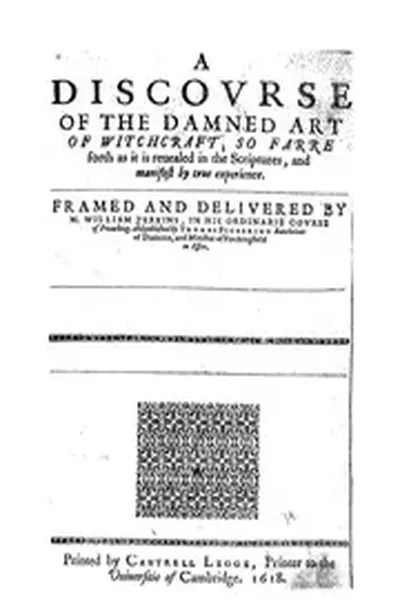
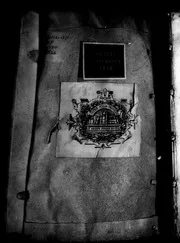
Aloysii Charitini [pseud.] Discurs von trüglichen Kennzeichen der Zauberey, worinnen viel abergläubische Meinungen vernunfftmässig untersucht und verworffen; wie auch ... 1708: Iss 174
![Aloysii Charitini [pseud.] Discurs von trüglichen Kennzeichen der Zauberey, worinnen viel abergläubische Meinungen vernunfftmässig untersucht und verworffen; wie auch ... 1708: Iss 174 — Witchcraft & Paganism](/img/aloysii-charitini-pseud-discurs-von-tr-glichen-kennzeichen-der-zauberey-worinnen-viel-abergl-ubische-meinungen-vernunfftm-ssig-untersucht-und-verworffen-wie-auch-1708-iss-174-brunneman-jacob-d-1735.webp)
 72
72

Aloysii Charitini [pseud.] Discurs von trüglichen Kennzeichen der Zauberey, worinnen viel abergläubische Meinungen vernunfftmässig untersucht und verworffen; wie auch ... 1708: Iss 174


By Alaric Kestrel (Metaphysical Studies Reviewer) — Jacob Brunneman's 'Discurs von trüglichen Kennzeichen der Zauberey' stands as a crucial, albeit pseudonymous, voice of rationalism amidst the fervent witch hunts of early modern Europe. Brunneman's meticulous dismantling of superstitious beliefs concerning witchcraft is both historically significant and philosophically profound. He employs logical argumentation to expose the fallacies underpinning popular fears, offering a rare intellectual counterpoint to widespread panic. For scholars of occult history, demonology, and the Enlightenment's intellectual precursors, this work is indispensable. It reveals a sophisticated engagement with the 'supernatural' by those seeking to understand it through empirical observation and reasoned deduction, rather than succumbing to spectral narratives. A vital piece for understanding the transition from medieval superstition to early modern skepticism.
📝 Description
72
In 1708, Jacob Brunneman, writing as Aloysii Charitini, challenged superstitious beliefs about witchcraft.
Jacob Brunneman's 1708 'Discurs von trüglichen Kennzeichen der Zauberey,' published under the pseudonym Aloysii Charitini, scrutinizes common beliefs about witchcraft. Brunneman sought to debunk notions of magic by applying rational analysis to what were then widespread superstitious ideas. He aimed to separate genuine discernment from unfounded fears and ignorance.
The book addresses the societal tendency toward superstition and the ongoing effort to find rational explanations for unexplained phenomena. Brunneman’s work provides insight into a specific period of European intellectual history when reason started to question the influence of irrational fears. It invites readers to consider the historical debate between occult beliefs and philosophical inquiry, and how efforts were made to demystify the unknown.
This work emerges from a period of intense intellectual debate regarding superstition and the occult. While many texts of the era might have reinforced or sensationalized beliefs in magic, Brunneman’s treatise stands apart by applying Enlightenment-era rationalism to critique these very notions. It reflects a broader European trend where learned individuals began to systematically question and explain away phenomena previously attributed to supernatural forces, marking a shift towards empirical observation and logical deduction in understanding the world.
💡 Why Read This Book?
Unravel the historical and philosophical battle against superstition. This text offers a critical examination of witchcraft beliefs, highlighting the power of reason to dispel irrational fears. Ideal for seekers of historical truth, scholars of occultism, and anyone interested in the evolution of rational thought concerning the perceived supernatural. Discover a crucial voice from 1708 challenging the spectral narratives of its time.
⭐ Reader Reviews
Honest opinions from readers who have explored this book.
❓ Frequently Asked Questions
Who was Aloysii Charitini?
Aloysii Charitini was the pseudonym employed by Jacob Brunneman (d. 1735), a scholar and writer who used this guise to critically examine and deconstruct prevailing beliefs about witchcraft without revealing his personal identity.
What is the main argument of this 'Discurs'?
The central thesis is to critically analyze and refute common, superstitious beliefs about the signs of witchcraft, demonstrating how many were based on flawed reasoning and unfounded fear rather than demonstrable fact.
What historical period does this book address?
The book was published in 1708, placing it squarely within the early modern period, a time when witch trials were still prevalent in some regions, but rationalist thought was beginning to gain significant traction.
Is this book a defense of magic or witchcraft?
No, this work is the opposite. It is a rational critique and refutation of the superstitious beliefs and supposed 'signs' of witchcraft, arguing against the validity of many accusations and popular notions.
What is the significance of this text for understanding occult history?
Its significance lies in its role as an early example of rationalist critique applied to occult phenomena. It demonstrates a growing intellectual movement to demystify and apply logic to subjects previously dominated by fear and superstition.
🔮 Key Themes & Symbolism
The Demystification of Witchcraft
This work looks at the very fabric of perceived 'witchcraft' by meticulously dissecting the purported signs and characteristics attributed to those accused. It seeks to unravel the spectral narratives that dominated public imagination, employing logic and reasoned discourse to expose the fallacies inherent in superstitious beliefs. By examining the 'trüglichen Kennzeichen' (deceptive signs), Brunneman challenges the foundations of fear and prejudice, aiming to replace unfounded terror with clear-sighted understanding. The text serves as a powerful evidence of the intellectual currents striving to bring light to areas previously shrouded in mystery and dogma.
Reason vs. Superstition in Early Modern Europe
Published in 1708, this 'Discurs' is a vital artifact of the ongoing intellectual struggle between burgeoning rationalism and deeply entrenched superstition. Brunneman's methodical approach, dissecting 'aberglaübische Meinungen' (superstitious opinions), highlights the era's intellectual ferment. It showcases how thinkers began to apply empirical observation and logical deduction to phenomena traditionally explained through supernatural or demonic intervention. This theme explores the critical role of reason in challenging mass hysteria and fear, paving the way for more secular and scientifically-oriented worldviews, and offering a glimpse into the philosophical underpinnings of the Enlightenment.
The Psychology of Accusation and Fear
Beyond its direct critique of witchcraft, the text implicitly explores the psychological underpinnings of societal fear and accusation. By examining the 'deceptive signs' that fueled witch hunts, Brunneman sheds light on how collective anxieties and misinterpretations can manifest into widespread persecution. The work invites contemplation on the human tendency to attribute the unknown or undesirable to external, often malevolent forces. It serves as a historical case study in the sociology of fear and the dangerous power of collective delusion, urging readers to critically examine the origins of their own beliefs and fears.
💬 Memorable Quotes
Direct passages from the work, attributed to the author.
“Many superstitious opinions are deceptively examined.”
— This highlights the author's intent to scrutinize common beliefs about witchcraft, revealing them as false or misleading interpretations rather than factual evidence.
“Reason examines the supposed marks of sorcery.”
— Emphasizes the core methodology of the text: employing logical thought and critical analysis to debunk unfounded claims about the signs of magical practice.
“The fog of fear obscures the light of truth.”
— A metaphorical statement underscoring how pervasive fear prevents clear understanding and rational judgment, particularly in matters of supposed supernatural occurrences.
“The deceptive signs of sorcery are laid bare.”
— Suggests the author's confidence in his ability to expose the falsity of commonly accepted 'evidence' used to identify witches, offering clarity where there was confusion.
💡 Key Ideas
Editorial paraphrase of the work's core concepts — not direct quotes.
We must discern the true from the imagined.
This quote captures the author's call for critical thinking and the active pursuit of verifiable reality over unsubstantiated beliefs and folklore.
🌙 Esoteric Significance
Tradition
While not overtly mystical in the sense of ceremonial magic or spiritualism, Brunneman's work is significant within the esoteric tradition as a critical examination of beliefs often associated with the occult. It represents the 'esoteric' pursuit of hidden truths through rational inquiry, akin to philosophical alchemy's quest for material perfection through understanding natural laws. It bridges the gap between popular superstition and intellectual philosophy, showing how rationalism itself can be a tool for uncovering deeper truths about human perception and societal constructs.
Symbolism
The primary symbolism lies in the 'Kennzeichen der Zauberey' (signs of sorcery) themselves, which represent the flawed constructs of fear and ignorance. Brunneman deconstructs these symbols, stripping them of their perceived supernatural power. The act of 'examining' and 'refuting' these signs symbolizes the triumph of rational thought over irrational belief, akin to light dispelling darkness or clarity cutting through illusion. The pseudonym 'Aloysii Charitini' itself can be seen as symbolic, representing a veiled pursuit of truth and a caution against immediate identification.
Modern Relevance
In an age still susceptible to misinformation, conspiracy theories, and the allure of simplistic explanations for complex phenomena, Brunneman's emphasis on critical thinking and evidence-based reasoning remains profoundly relevant. His meticulous dissection of flawed logic serves as a timeless guide for discerning truth from falsehood, whether applied to historical occult beliefs or contemporary societal narratives. The work encourages a healthy skepticism and a commitment to rational inquiry, vital tools for reading through the modern information landscape and avoiding the pitfalls of mass delusion.
👥 Who Should Read This Book
This discourse is essential for historians of witchcraft, demonology, and the early modern period, offering primary source material on rationalist critiques of superstition. Scholars of philosophy and the Enlightenment will find it valuable for understanding the intellectual climate and the development of skeptical thought. Esoteric practitioners and seekers of hidden knowledge can gain insight into the historical evolution of beliefs surrounding the occult, understanding how rational discourse sought to reclaim territory from fear. General readers interested in the psychology of belief, the history of ideas, and the enduring tension between reason and superstition will also find this text informative and thought-provoking.
📜 Historical Context
Published in 1708, Aloysii Charitini's 'Discurs von trüglichen Kennzeichen der Zauberey' emerged during a central era in European intellectual history. While the peak of the witch trials had passed in many regions, the shadows of superstition and fear still lingered. This work represents a significant voice within the nascent Enlightenment, championing reason, logic, and empirical observation over unfounded beliefs and spectral narratives. Jacob Brunneman, writing under a pseudonym, engaged with the complex societal anxieties surrounding witchcraft, offering a sophisticated philosophical counterpoint. His rigorous examination of 'deceptive signs' reflects a growing desire to explain the world and challenge deeply ingrained prejudices. The text is a crucial artifact for understanding the intellectual transition from medieval occultism and demonology towards a more rationalist worldview, influencing later debates on magic, religion, and the nature of evidence.
📔 Journal Prompts
Reflect on a time when you or society held a belief that was later proven to be superstitious or irrational. What led to this belief, and how was it dispelled?
Consider the 'signs of witchcraft' Brunneman discusses. How do similar patterns of identifying 'out-groups' or scapegoats manifest in contemporary society?
If Brunneman were alive today, what modern 'superstitions' or widely accepted but unfounded beliefs do you think he would critique?
Explore the role of fear in shaping collective belief systems. How can reason and critical thinking act as antidotes to fear-driven narratives?
Analyze the use of pseudonyms in intellectual discourse throughout history. What are the advantages and disadvantages of writing under an assumed name, particularly when challenging dominant ideas?
🗂️ Glossary
Zauberey
A German term broadly encompassing sorcery, witchcraft, and magic, often associated with supernatural or malevolent practices in early modern European contexts.
Trüglichen Kennzeichen
Literally 'deceptive signs' or 'fallacious characteristics.' This refers to the supposed marks or indicators used to identify individuals as witches, which the author argues are unreliable and based on superstition.
Abergläubische Meinungen
Superstitious opinions or beliefs. These are views held without rational basis, often stemming from tradition, fear, or the misinterpretation of phenomena.
Vernunfftmässig
Reasonable, rational, or based on logic. It signifies an approach guided by intellect and sound judgment rather than emotion or unfounded belief.
Discurs
A discourse or treatise; a formal discussion or written argument on a particular subject, often with the aim of analyzing or persuading.
This book appears in 2 collections
🔮 Readers Also Liked
Browse all →






From the “Witchcraft” Collection
View all →





More Free Witchcraft & Paganism Books
View all →