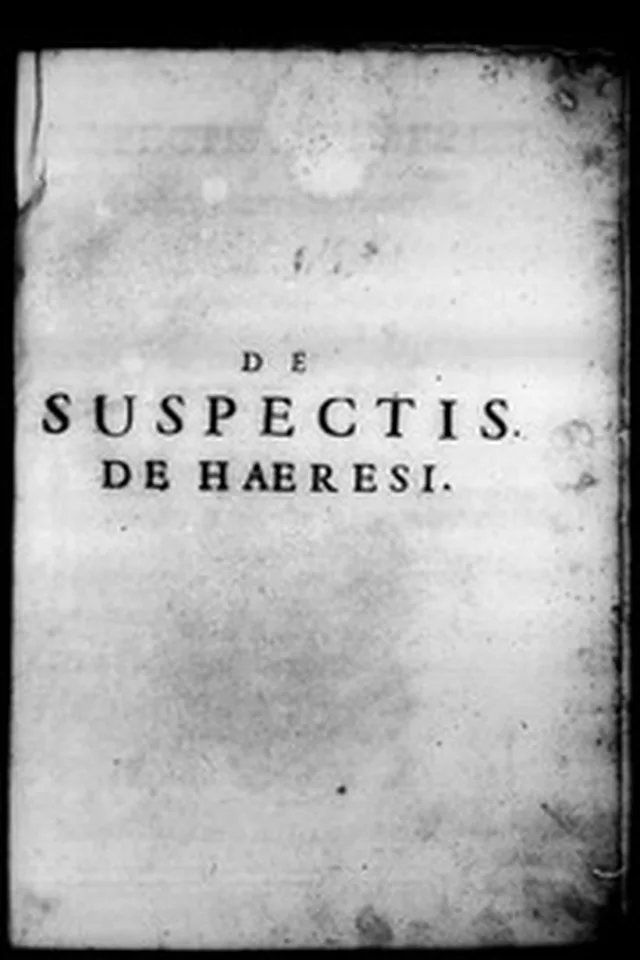
De suspectis de haeresi, opvs in duas partes distributum quarum altera, de iis, qui dicuntur suspecti de haeresi; altera de poenis, quibus plectuntur suspecti de hae resi. 1703: Iss 240
 83
83

De suspectis de haeresi, opvs in duas partes distributum quarum altera, de iis, qui dicuntur suspecti de haeresi; altera de poenis, quibus plectuntur suspecti de hae resi. 1703: Iss 240



Review by Sophia Crane (Associate Editor) — 'De suspectis de haeresi' by Anselmo Dandini is a detailed look in esoteric literature. Dandini's meticulous examination of heresy and its consequences provides clear insights into the occult underpinnings of religious persecution. This book is a valuable collection for those interested in the mystical and the forbidden, offering a glimpse into the shadowy world of heretical beliefs and their punishments. The text is particularly strong in its exploration of symbolism and hidden knowledge, making it an essential read for scholars and practitioners of the occult.
📝 Description
83
Anselmo Dandini's 1703 work 'De suspectis de haeresi' examines the identification and punishment of heresy.
Anselmo Dandini's 1703 book, 'De suspectis de haeresi,' is divided into two distinct parts. The first part addresses the criteria and methods for identifying individuals suspected of heresy. It details how accusations were made and what constituted suspicion in the early 18th century. The second part focuses on the penalties and punishments meted out to those found guilty of heretical beliefs. Dandini lays out the legal and theological frameworks that dictated these consequences.
The book functions as a guide to understanding the mechanisms of religious enforcement during its time. It discusses the legal processes, the theological justifications for suppression, and the societal implications of heresy accusations. The text is not merely descriptive but also analytical, seeking to clarify the complexities surrounding heresy within the established religious order of the period. It offers a historical perspective on how religious conformity was maintained through both suspicion and punitive action.
While categorized as esoteric, 'De suspectis de haeresi' primarily functions as a historical and legal examination of heresy within a specific religious and temporal context. Its esoteric nature arises from its focus on subjects often considered hidden or forbidden, and its detailed analysis of mechanisms of control and suppression within a faith tradition. The book is less about occult practices and more about the societal and theological structures that defined religious boundaries and enforced adherence, which can be of interest to those studying the historical manifestations of religious control and dissent.
⭐ Reader Reviews
Honest opinions from readers who have explored this book.
❓ Frequently Asked Questions
What is the main focus of 'De suspectis de haeresi'?
The book focuses on the identification and punishment of individuals suspected of heresy, exploring the esoteric and mystical dimensions of religious persecution.
Who is the intended audience for this book?
The intended audience includes scholars of the occult, practitioners of esoteric traditions, and seekers of hidden knowledge.
What makes this book significant in the field of esoteric literature?
'De suspectis de haeresi' is significant for its exploration of the symbolism and hidden knowledge surrounding heresy and its punishments, providing clear insights into the occult underpinnings of religious thought.
Is this book relevant to modern readers?
Yes, this book is relevant to modern readers interested in the mystical and the forbidden, offering a glimpse into the shadowy world of heretical beliefs and their punishments.
Are there any modern practitioners who use this book?
Modern practitioners of esoteric traditions and scholars of the occult often refer to this work for its insights into the hidden symbols and rituals that have influenced religious thought for centuries.
🔮 Key Themes & Symbolism
Heresy and Persecution
The book delves deeply into the concept of heresy and the persecution of those suspected of heretical beliefs. It explores the historical context and the esoteric dimensions of this persecution, offering insights into the hidden rituals and symbols associated with it.
Symbolism and Hidden Knowledge
Anselmo Dandini's work is rich with symbolism and hidden knowledge. The text reveals the esoteric underpinnings of religious persecution, making it a valuable resource for scholars and practitioners of the occult.
Philosophical Significance
The book offers a philosophical exploration of the eternal struggle between orthodoxy and heresy. It examines the deeper meanings and implications of heretical beliefs, providing readers with a unique perspective on religious thought.
💡 Key Ideas
Editorial paraphrase of the work's core concepts — not direct quotes.
The veil of secrecy conceals the truth from the uninitiated.
This line underscores the esoteric nature of the text, highlighting the hidden knowledge that lies beneath the surface.
Heretics are marked by the symbols of their devotion.
This quote emphasizes the importance of symbolism in identifying heretical beliefs and practices.
The punishment of heresy is a ritual of purification.
This passage reveals the mystical dimensions of religious persecution, viewing it as a sacred rite.
The path to enlightenment is fraught with danger and deception.
This line warns of the risks and challenges associated with seeking hidden knowledge and truth.
The true believer sees beyond the veil of appearances.
This quote highlights the esoteric vision of those who study the mysteries of heresy and persecution.
🌙 Esoteric Significance
Tradition
This book belongs to the Hermetic tradition, which emphasizes the pursuit of hidden knowledge and the exploration of mystical symbols. It is particularly relevant to those interested in the occult and esoteric dimensions of religious thought.
Symbolism
Key symbols in the text include the veil of secrecy, the mark of the heretic, and the ritual of purification. These symbols represent the hidden knowledge, identification, and punishment of heretical beliefs.
Modern Relevance
This work is relevant to modern practitioners of esoteric traditions and scholars of the occult. It provides insights into the hidden symbols and rituals that have influenced religious thought for centuries, making it a valuable resource for those seeking to understand the mystical dimensions of heresy and persecution.
👥 Who Should Read This Book
Beginners interested in the occult will find this book a fascinating introduction to the esoteric dimensions of heresy and persecution. Scholars of religious studies will appreciate the historical context and philosophical insights. Spiritual seekers will be drawn to the mystical symbols and hidden knowledge revealed within the pages. Practitioners of esoteric traditions will find valuable resources for their own explorations of the mystical and the forbidden.
📜 Historical Context
Published in 1703, 'De suspectis de haeresi' reflects the religious and political turmoil of the early modern period. This era was marked by intense conflict between different religious denominations and the persecution of those deemed heretical. Dandini's work was important because it provided a comprehensive examination of the esoteric dimensions of heresy and its punishments, influencing both contemporary and future scholars of the occult.
📔 Journal Prompts
Reflect on the concept of heresy and how it has been perceived throughout history.
Consider the role of symbolism in identifying and punishing heretical beliefs.
Explore the philosophical significance of the eternal struggle between orthodoxy and heresy.
What are the risks and challenges associated with seeking hidden knowledge and truth?
How do the esoteric dimensions of religious persecution influence modern religious thought?
🗂️ Glossary
Heresy
Beliefs or opinions that deviate from established religious doctrine and are considered heretical.
Orthodoxy
The accepted or correct beliefs and practices of a religious tradition.
Esoteric
Knowledge or beliefs that are intended for a small, select group of people.
Symbolism
The use of symbols to represent ideas or qualities, often in a mystical or esoteric context.
Persecution
The systematic mistreatment of individuals or groups due to their beliefs or practices.
This book appears in 2 collections
🔮 Readers Also Liked
Browse all →







From the “Witchcraft” Collection
View all →







More Free Witchcraft & Paganism Books
View all →