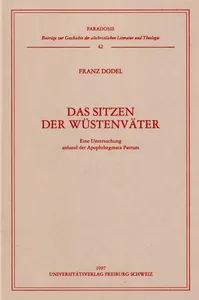
The Rulings of the Night

 75
75

The Rulings of the Night
Gregory G. Maskarinec’s "The Rulings of the Night" is a crucial corrective to facile dismissals of shamanic practice. Rather than presenting a romanticized view, Maskarinec grounds his analysis in the shamans’ own words, meticulously detailing their lengthy, public chants. This focus on emic perspective is the book’s signal strength. He demonstrates how these rituals, far from being "meaningless mumblings," are intricate systems of knowledge and authority. A limitation, however, is the dense ethnographic detail which, while essential, can make the text demanding for a casual reader. The description of the shamans’ claims to rule the night, detailing their assertions of power over nocturnal forces and spirits, offers a striking example of this.[...] The work compels a re-evaluation of how we interpret ritual speech. It stands as a significant contribution to understanding shamanism on its own terms.
📝 Description
75
Gregory G. Maskarinec's 1995 book examines shamanism in Nepal's Himalayan foothills.
Gregory G. Maskarinec's "The Rulings of the Night" is an anthropological study of shamanism, concentrating on the practices and self-perceptions of shamans in western Nepal's Himalayan foothills. Maskarinec directly challenges Western views that often dismiss indigenous spiritual practices as nonsensical. He argues that understanding what shamans themselves say is crucial for grasping their roles and functions within their communities. The book details extensive fieldwork, including the shamans' own accounts and the public chanting rituals they conduct.
This work is intended for students of anthropology, religious studies, and comparative mysticism. It will interest those who favor ethnographic methods that prioritize insider viewpoints and linguistic analysis of ritual performance. Scholars and practitioners seeking to move beyond surface-level interpretations of shamanic phenomena will find Maskarinec's detailed descriptions and theoretical framework useful. It is also for anyone curious about how meaning is created in non-Western spiritual traditions.
Published in 1995, "The Rulings of the Night" emerged when academic interest in indigenous cosmologies was growing, alongside critiques of Western ethnocentrism. Maskarinec's work countered earlier anthropological approaches that sometimes framed shamans as pathological or exotic. His focus on the shamans' own discourse aligns with later shifts in the anthropology of religion that emphasize emic viewpoints. The book contributes to scholarly discussions, positioning itself alongside figures like Mircea Eliade but distinguishing itself by centering the shamans' articulated understandings rather than imposing external theoretical models.
💡 Why Read This Book?
• Gain a nuanced understanding of shamanic authority by examining the concept of "rulings of the night" as articulated by Nepalese shamans, moving beyond simplistic interpretations of ritual. • Appreciate the performative dimension of ritual through Maskarinec's detailed ethnography of public chanting, learning how these performances are understood as direct interventions by practitioners. • Develop critical skills in ethnographic analysis by engaging with Maskarinec's methodology, which prioritizes the shamans' own discourse over external theoretical impositions, as detailed in his fieldwork.
⭐ Reader Reviews
Honest opinions from readers who have explored this book.
❓ Frequently Asked Questions
What specific region of Nepal does Gregory G. Maskarinec focus on in "The Rulings of the Night"?
The book centers on the Himalayan foothills of western Nepal. Maskarinec conducted his extensive fieldwork in this specific geographical and cultural area, providing a focused look at the local shamanic traditions.
What common misconception about shamans does Maskarinec challenge?
Maskarinec directly confronts the notion that the rituals and chants of shamans are "meaningless mumblings." He argues that understanding what shamans themselves say is fundamental to comprehending their role and the significance of their practices.
When was "The Rulings of the Night" first published?
The book was first published in 1995. This places its academic context within a period of evolving anthropological approaches to religion and indigenous cultures.
What is the central concept referred to as "rulings of the night"?
The "rulings of the night" refers to the authority and knowledge shamans claim, particularly concerning their perceived dominion over nocturnal forces, spirits, and the influence these have on the waking world.
What kind of fieldwork methodology does Maskarinec employ?
Maskarinec utilizes intensive ethnographic fieldwork, emphasizing participant observation and, crucially, detailed linguistic analysis of the shamans' own narratives and public chants to understand their practices from an insider's perspective.
How does the book approach the public chanting rituals of shamans?
The book treats these long, public chants not as mere symbolic acts but as integral components of shamanic practice, understood by practitioners as direct communications, interventions, and assertions of authority.
🔮 Key Themes & Symbolism
Shamanic Authority
The core of "The Rulings of the Night" lies in its exploration of shamanic authority, specifically how it is established and maintained through discourse and ritual performance. Maskarinec demonstrates that this authority, often termed the "rulings of the night," is not an externally imposed label but is actively claimed and articulated by the shamans themselves. Their lengthy public chants are presented as a primary means by which they assert control over unseen forces and communicate vital knowledge to their communities, thereby solidifying their unique social and spiritual position.
Emic Perspective in Ritual
Maskarinec champions the emic perspective, prioritizing the shamans' own explanations and interpretations of their practices. He argues forcefully against the tendency to dismiss their complex verbal performances as unintelligible. By meticulously recording and analyzing what the shamans say during their rituals, the book reveals the internal logic and meaning systems that underpin these traditions, offering a profound counterpoint to purely etic (outsider) analyses that have historically dominated the field of shamanic studies.
Ritual as Performance and Communication
The work emphasizes that shamanic rituals, particularly the public chanting detailed in the book, are not static symbolic representations but dynamic acts of communication and intervention. Maskarinec illustrates how these performances are understood by both practitioners and their communities as directly influencing spiritual and material realities. The "rulings of the night" are thus enacted through these performative utterances, demonstrating a view of ritual as a potent force rather than mere ritualistic display.
Challenging Western Perceptions
A significant theme is the critique of Western biases and assumptions that have historically misrepresented or devalued indigenous spiritual practices. Maskarinec directly addresses the common dismissal of shamanic utterances as "meaningless mumblings." By foregrounding the shamans' own articulate accounts and complex ritual language, he compels readers to reconsider their preconceived notions and engage with these traditions on their own terms, fostering a more respectful and accurate understanding.
💬 Memorable Quotes
Direct passages from the work, attributed to the author.
“It is impossible to discuss what shamans are and what they do, without knowing what shamans say.”
— This foundational statement underscores Maskarinec's core methodological principle: that understanding indigenous practices requires prioritizing the insider's voice and linguistic expression. It directly challenges external interpretations that ignore or dismiss the practitioners' own articulated meanings.
“Understanding the shamans' chants is key to grasping their authority.”
— This interpretation highlights the direct link between the shaman's verbal performance, specifically their chants, and the source of their perceived power and legitimacy within their community.
“The "rulings of the night" signify the shamans' claimed dominion over nocturnal spiritual domains.”
— This interpretation defines a central concept, explaining that the "rulings of the night" are not merely metaphorical but represent a specific claim to power and knowledge related to the temporal and spiritual field of nighttime.
💡 Key Ideas
Editorial paraphrase of the work's core concepts — not direct quotes.
Shamans encountered in the Himalayan foothills... engaged in 'meaningless mumblings.'
This quote represents the prevailing Western or outsider perception that Maskarinec encountered and set out to disprove. It highlights the ethnocentric bias he aims to correct by presenting the shamans' own complex linguistic and ritual systems.
The shamans themselves said their long, publicly chanted rituals held significant meaning.
This paraphrased concept directly counters the 'meaningless mumblings' assertion, emphasizing the shamans' self-awareness and the inherent significance they attribute to their own ritual performances and verbalizations.
🌙 Esoteric Significance
Tradition
While not explicitly aligning with a single Western esoteric lineage like Hermeticism or Theosophy, "The Rulings of the Night" significantly contributes to the broader study of comparative mysticism and esoteric sciences. It operates within an anthropological framework that validates indigenous knowledge systems often relegated to the fringes of Western academic discourse. By meticulously documenting the self-understanding and practices of Nepalese shamans, the work implicitly supports the idea that diverse paths to spiritual knowledge and power exist across cultures, challenging a singular, often Western-centric, definition of the esoteric.
Symbolism
The "rulings of the night" serves as a potent symbol, representing the shaman's claimed authority over the liminal space of darkness and the potent spiritual forces believed to be active during this time. The public chants themselves function symbolically, acting as conduits between the human and spirit worlds, embodying the shaman's role as mediator. The very act of public performance symbolizes the shaman's social responsibility and the community's reliance on their perceived ability to navigate and influence these powerful nocturnal energies.
Modern Relevance
Contemporary scholars and practitioners in fields like consciousness studies, transpersonal psychology, and shamanic healing modalities often draw upon works like Maskarinec's. His rigorous ethnographic approach provides a vital grounding for understanding shamanic states and practices without resorting to purely speculative or romanticized notions. Thinkers interested in the efficacy of ritual, the nature of altered states of consciousness, and the cross-cultural study of healing traditions find in "The Rulings of the Night" a critical, evidence-based foundation for their explorations.
👥 Who Should Read This Book
• Anthropologists and scholars of religion: To engage with a rigorous ethnographic study that prioritizes indigenous perspectives on shamanism and ritual performance. • Students of comparative mysticism: To gain insight into a non-Western spiritual tradition and understand how authority and knowledge are constructed through ritual language. • Practitioners interested in shamanic traditions: To move beyond superficial understandings and look at the detailed linguistic and performative aspects of shamanic practice as documented in the field.
📜 Historical Context
Published in 1995, Gregory G. Maskarinec's "The Rulings of the Night" arrived at a key moment in the anthropology of religion. The field was increasingly grappling with issues of representation, power, and the critique of colonial-era biases. Maskarinec's work directly confronted the tendency, evident in some earlier scholarship by figures like Mircea Eliade, to interpret shamanism through broad theoretical lenses rather than centering the indigenous practitioners' own accounts. While Eliade's work, particularly his "Shamanism: Archaic Techniques of Ecstasy" (first published 1951), offered a foundational comparative study, Maskarinec's approach offered a significant departure by insisting that the shamans' own words and public performances were the primary data for understanding their role. The book's emphasis on the specific linguistic and ritual practices within western Nepal provided a detailed ethnographic counterpoint to more generalized theories, contributing to a growing call for methodological rigor and respect for emic perspectives in the study of esoteric and religious traditions.
📔 Journal Prompts
The shamans' own articulation of the "rulings of the night": How does this concept challenge conventional notions of authority?
Public chanted rituals: What is the functional significance of these performances according to the shamans themselves?
The dismissal of ritual as 'meaningless mumblings': What does this external perception reveal about observer bias?
Maskarinec's emphasis on what shamans 'say': How does this methodological focus shape the interpretation of their practices?
The interplay between public ritual and private understanding: Reflect on this dynamic in your own spiritual or philosophical framework.
🗂️ Glossary
Rulings of the Night
A core concept in Maskarinec's work, referring to the authority and knowledge claimed by shamans, particularly concerning their perceived dominion over nocturnal spiritual forces and their influence on the waking world.
Emic Perspective
The insider's viewpoint or explanation of cultural phenomena, as opposed to the etic (outsider's) perspective. Maskarinec prioritizes the emic accounts of Nepalese shamans.
Etic Perspective
The outsider's viewpoint or analytical framework applied to a culture or practice. Maskarinec critiques earlier etic interpretations of shamanism that ignored indigenous voices.
Public Chanted Rituals
The extensive, verbally performed ceremonies conducted by shamans in a public setting, which Maskarinec argues are central to their practice and perceived authority.
Shamanic Discourse
The verbal communication, narratives, and chanted utterances produced by shamans. Maskarinec stresses the importance of analyzing this discourse to understand shamanic roles and beliefs.
Himalayan Foothills (Western Nepal)
The specific geographical and cultural locus of Maskarinec's fieldwork, providing a detailed ethnographic context for his study of local shamanic practices.
Meaningless Mumblings
A dismissive phrase used by some outsiders to describe shamanic chants, which Maskarinec directly challenges by demonstrating the complex meanings and functions these rituals hold for practitioners.
This book appears in 1 collection
🔮 Readers Also Liked
Browse all →






From the “Shamanism” Collection
View all →








More Free Occult Philosophy Books
View all →