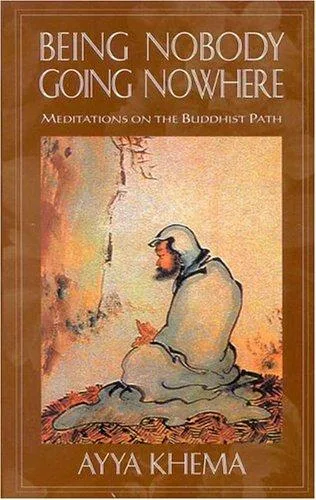
The Spirit of Shamanism
 73
73

The Spirit of Shamanism
Roger N. Walsh's "The Spirit of Shamanism" distinguishes itself by grounding esoteric practices in observable psychological principles. Walsh's strength lies in his meticulous dissection of shamanic techniques, presenting them not as mere superstition but as structured methods for accessing altered states and profound inner knowledge. He successfully bridges the chasm between indigenous traditions and Western analytical thought, making the material digestible for the uninitiated. A particularly effective section details the role of the shamanic drum in inducing altered states, linking it to known neurological responses. However, the work occasionally leans towards over-rationalization, potentially diminishing the inherent mystery and spiritual power that many seek in shamanism. While aiming for broad accessibility, some readers might find its clinical approach less spiritually animating than other texts. Despite this, the book remains a valuable resource for understanding the mechanics and potential psychological benefits of shamanic engagement.
📝 Description
73
Roger N. Walsh's "The Spirit of Shamanism" (1991) examines shamanic traditions through a Western psychological lens.
Published in 1991, Roger N. Walsh's "The Spirit of Shamanism" analyzes shamanic practices from a Western psychological viewpoint. Walsh aims to identify common threads and underlying principles across diverse global shamanic traditions. The book is written for individuals outside of tribal cultures who are curious about the spiritual insights and methods shamans have historically used. It is especially relevant for contemporary students of esoteric subjects, particularly those interested in altered states of consciousness, the study of comparative religion, and ancient healing techniques. Readers seeking a rational, evidence-based understanding of shamanism, without necessarily participating in rituals themselves, will find this work valuable. It also appeals to those curious about the psychological basis of spiritual experiences.
Walsh breaks down essential shamanic components. These include the shaman's function as an intermediary between different realities, the use of altered states, often achieved through drumming or plant use, for healing and prophecy, and the archetypal spirits encountered. He investigates the psychological processes that might account for these experiences, presenting shamanism as an advanced system for modifying consciousness and pursuing spiritual understanding. The book emerged during a time of growing Western interest in non-Western spiritualities and consciousness studies, building on prior anthropological research.
This book situates itself within the late 20th-century academic and popular engagement with non-Western spiritual systems. Following foundational anthropological work, Walsh applies a psychological framework to understand shamanic phenomena. It reflects a broader trend of seeking universal patterns in human spirituality and consciousness, attempting to bridge indigenous knowledge with Western scientific inquiry. The work positions shamanism not merely as ritual but as a complex system of consciousness alteration with roots in human psychology.
💡 Why Read This Book?
• Gain a structured understanding of shamanic practices, including the role of drumming in achieving altered states, as detailed in Walsh's analysis of trance induction techniques. • Explore the psychological basis of shamanic experiences, learning how Walsh connects these phenomena to Western psychological frameworks, referencing concepts like archetypal encounters. • Discover the practical applications of shamanic insights for modern, non-tribal individuals, as Walsh outlines methods for accessing spiritual wisdom and healing potential outside traditional contexts.
⭐ Reader Reviews
Honest opinions from readers who have explored this book.
❓ Frequently Asked Questions
What is the primary focus of Roger N. Walsh's "The Spirit of Shamanism"?
The book focuses on presenting shamanic practices and their spiritual insights from a Western psychological perspective, making them accessible to a modern, non-tribal audience.
When was "The Spirit of Shamanism" first published?
The book was first published in May 1991, reflecting a growing interest in consciousness studies and non-Western spiritual traditions during that era.
Who is the intended audience for this book?
It is aimed at students of esoteric traditions, comparative religion, and those interested in the psychology of spiritual experiences, particularly individuals seeking a rational understanding of shamanism.
Does the book advocate for direct shamanic practice?
While it explores techniques, the primary aim is to provide a grounded understanding for the modern student, not necessarily to guide direct initiation into tribal practices.
What is a key concept discussed in "The Spirit of Shamanism"?
A key concept is the shaman's role as a mediator and the use of altered states of consciousness, often induced through methods like drumming, for healing and spiritual exploration.
How does Walsh approach shamanism from a Western viewpoint?
Walsh applies sound psychological principles and analytical frameworks to understand the commonalities and underlying mechanisms of diverse shamanic practices worldwide.
🔮 Key Themes & Symbolism
Shamanic States of Consciousness
The work meticulously details how shamans enter altered states, often through rhythmic drumming, to access spiritual realms. Walsh examines the neurological and psychological underpinnings of these states, linking them to universal human capacities for altered perception. He posits that these states are not merely hallucinatory but represent a structured method for gaining information, healing, and spiritual connection, accessible through specific techniques.
The Shaman as Mediator
Walsh explores the critical role of the shaman as an intermediary between the mundane world and the spirit world. This figure acts as a healer, diviner, and guide, navigating complex spiritual landscapes to benefit their community. The book illustrates how this mediatory function is a core element across diverse shamanic traditions, providing a vital link for understanding human spiritual needs and their ancient fulfillments.
Universal Shamanic Principles
A central theme is the identification of common threads in shamanic practices worldwide, despite vast cultural differences. Walsh argues for underlying psychological and spiritual principles that manifest diversely. By analyzing techniques and beliefs from various cultures, he reveals shamanism as a fundamental expression of the human quest for meaning, healing, and connection with the sacred.
Psychological Frameworks
The book's unique contribution lies in its application of Western psychological theory to understand shamanic phenomena. Walsh relates shamanic journeys and encounters to archetypal psychology, altered states research, and theories of consciousness. This analytical approach aims to validate shamanism as a legitimate system of human experience and spiritual development, bridging esoteric traditions with empirical study.
💬 Memorable Quotes
Direct passages from the work, attributed to the author.
“The shaman's task is to bring back knowledge, power, and healing from the spirit world.”
— This statement expresses the core function of the shaman as a conduit, retrieving essential resources from non-ordinary reality to benefit the ordinary world.
“Drumming is a primary tool for inducing the shamanic trance.”
— Walsh highlights the significance of rhythmic sound, specifically the drumbeat, as a key technology for facilitating altered states of consciousness necessary for shamanic work.
“Shamanism offers a path to spiritual insight for the modern individual.”
— This suggests that the ancient practices of shamanism hold relevance and potential for contemporary seekers, offering a framework for spiritual exploration beyond traditional tribal settings.
“Understanding the psychological basis does not diminish the spiritual reality.”
— This interpretation defends the value of analytical study, asserting that exploring the mechanisms of shamanic experience can enhance, rather than negate, its profound spiritual significance.
“The variety of shamanic practices points to universal human capacities.”
— Walsh proposes that the diverse manifestations of shamanism across cultures are expressions of fundamental human potentials for altered perception and spiritual connection.
🌙 Esoteric Significance
Tradition
While not strictly adhering to a single lineage like Hermeticism or Theosophy, "The Spirit of Shamanism" engages with the universalist currents found in esoteric thought. It shares with traditions like Anthroposophy an interest in non-ordinary states of consciousness and the exploration of inner worlds. However, Walsh's approach is more analytical and psychologically grounded than many mystical traditions, positioning shamanism as a fundamental human capacity rather than a revelation specific to one esoteric school.
Symbolism
The book frequently references symbols associated with the shamanic journey, such as the 'spirit animal' or 'power animal,' which act as guides and protectors in altered states. The 'axis mundi' or world tree is another recurring motif, representing the connection between different planes of existence—the underworld, the earth, and the heavens—which the shaman traverses. These symbols function as psychological anchors and spiritual maps within the shaman's altered consciousness.
Modern Relevance
Walsh's work continues to influence contemporary practitioners and scholars interested in embodied spirituality and altered states. His bridging of shamanic practices with modern psychology informs therapeutic approaches like shamanic counseling and ecopsychology. Thinkers and groups exploring consciousness, psychedelics, and nature-based spirituality often reference his work as a foundational text for understanding the non-ordinary dimensions of human experience in a secular context.
👥 Who Should Read This Book
• Students of comparative religion and anthropology seeking a psychological interpretation of indigenous spiritual practices. • Individuals interested in altered states of consciousness and their potential for personal growth and healing, without necessarily engaging in direct practice. • Psychologists and therapists exploring the therapeutic applications of ancient healing modalities and transpersonal experiences.
📜 Historical Context
Published in 1991, "The Spirit of Shamanism" emerged within a burgeoning field of consciousness studies and a renewed Western fascination with indigenous spiritualities, heavily influenced by earlier works like Mircea Eliade's "Shamanism: Archaic Techniques of Ecstasy" (1951). Walsh's unique contribution was framing these traditions through a Western psychological lens, seeking to validate them for a contemporary, non-tribal audience. This period saw Jungian psychology's influence on understanding archetypes, which Walsh implicitly draws upon. While anthropology had extensively documented shamanism, Walsh's focus on its psychological underpinnings and potential for modern application set it apart. The book appeared when New Age movements were popular, but Walsh maintained a more academic rigor, avoiding sensationalism and grounding his analysis in sound psychological principles, contrasting with more mystical interpretations prevalent at the time.
📔 Journal Prompts
The shaman's journey to the spirit world: mapping personal symbolic landscapes.
Drumming as a tool for consciousness alteration: personal reflections on rhythm and trance.
Archetypal encounters in altered states: identifying personal spirit guides or allies.
The mediator role: how do you bridge different aspects of your own reality?
Shamanic healing principles: applying ancient wisdom to modern well-being.
🗂️ Glossary
Shaman
An individual who is believed to have the ability to heal and to communicate with the spirit world, often through altered states of consciousness.
Altered State of Consciousness (ASC)
Any mental state significantly different from a normal waking consciousness, often induced by practices like drumming, meditation, or psychoactive substances.
Spirit World
A non-physical realm or dimension that shamans are said to access, inhabited by spirits, ancestors, and other non-corporeal entities.
Trance
A state of partial or complete dissociation from one's immediate surroundings, characterized by reduced awareness of external stimuli and heightened inner experience.
Spirit Animal/Power Animal
A spirit guide, often in animal form, that provides assistance, protection, or wisdom to the shaman during their journeys into the spirit world.
Axis Mundi
A symbolic representation of the center of the world, connecting the underworld, the earth, and the heavens, often depicted as a tree, mountain, or pillar.
Divination
The practice of seeking knowledge of the future or the unknown by supernatural means, often through visions or interpretations received in altered states.
This book appears in 1 collection
🔮 Readers Also Liked
Browse all →









From the “Spirit Guides” Collection
View all →









More Free Occult Philosophy Books
View all →