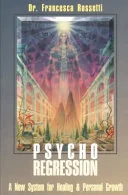
Psycho-Regression
 78
78

Psycho-Regression
Francesca Rossetti's "Psycho-Regression" presents a compelling, if direct, method for confronting the psychological baggage we carry. The book’s strength lies in its clear articulation of a visualization technique designed to unearth the origins of negative patterns. Rossetti’s explanation of accessing the “source of negativity” is particularly effective, moving beyond mere symptom management to address root causes. A notable limitation, however, is the book's relative brevity; while concise, some readers might desire more extended case studies or deeper theoretical underpinnings to fully grasp the nuances of the process. The passage detailing how to visualize the “shadow material” detaching itself offers a potent, actionable image. While not a substitute for professional therapy in all cases, "Psycho-Regression" provides a valuable self-help toolkit for those ready to actively engage with their inner landscape.
📝 Description
78
Francesca Rossetti's 1994 book, Psycho-Regression, introduced a guided visualization technique to address emotional blocks.
Psycho-Regression, published in 1994, details a therapeutic method using guided visualization to access and resolve negative emotional patterns and unresolved traumas. The technique aims to guide individuals back to the origin of these issues, facilitating personal liberation and progress. Rossetti's approach is useful for those experiencing persistent phobias, deep-seated fears, or recurring unhealthy relationship dynamics. It provides a structured way to confront and process the root causes of such problems. The book is suited for individuals seeking practical methods for psychological self-healing and for dissolving patterns of negative experience.
The central idea involves 'regression' not as developmental setback, but as a conscious journey backward to pinpoint the genesis of current psychological burdens. 'Shadow material' describes repressed or unacknowledged parts of the psyche that surface as negative behaviors or emotions. The process of 'release' involves consciously processing and integrating this material, which leads to its diminishing impact as a source of distress.
Appearing in the early 1990s, Psycho-Regression emerged during a time of growing interest in transpersonal psychology and alternative healing. While Carl Jung had earlier discussed the concept of the 'shadow' in the mid-20th century, Rossetti's work presented a more direct, visualization-focused strategy for engaging with these internal aspects. This practical, application-oriented approach set it apart from more theoretical psychological texts of the era, offering a tangible method for personal transformation.
💡 Why Read This Book?
• Understand the "stuff of the shadow" by learning Rossetti's specific visualization techniques for confronting repressed psychological elements, as detailed in the "Key Concepts" section. • Gain practical tools for overcoming phobias and negative relationship patterns by exploring the 1994-published method designed to trace issues back to their origin. • Experience a structured approach to releasing emotional burdens, moving beyond symptom management to address the genesis of distress, a core principle of Psycho-Regression.
⭐ Reader Reviews
Honest opinions from readers who have explored this book.
❓ Frequently Asked Questions
What is the core technique described in Psycho-Regression?
The core technique is guided visualization, a method designed to lead the practitioner back to the original source of present-day psychological distress or negative patterns.
Who is Francesca Rossetti and when was Psycho-Regression published?
Francesca Rossetti is the author of Psycho-Regression, a book first published in 1994 that outlines her therapeutic approach.
What does 'stuff of the shadow' mean in the context of this book?
In Psycho-Regression, 'stuff of the shadow' refers to repressed emotions, unresolved traumas, or unacknowledged aspects of the psyche that negatively influence behavior and well-being.
Can this method help with phobias and fears?
Yes, the book explicitly states that the Psycho-Regression treatment is designed to help individuals overcome phobias, fears, and other persistent negative emotional responses.
Is Psycho-Regression a form of past-life regression?
No, Psycho-Regression focuses on accessing the origin of current psychological issues within the individual's current life experience, not necessarily past lives.
What is the ultimate goal of practicing Psycho-Regression?
The ultimate goal is to release the burden of past negativity, enabling individuals to move forward with their lives unencumbered by unresolved psychological issues.
🔮 Key Themes & Symbolism
Shadow Material Integration
The concept of 'stuff of the shadow' is central to Rossetti's work. This material comprises repressed emotions, traumas, and unacknowledged aspects of the self that manifest as psychological blocks. Psycho-Regression provides a structured visualization process to bring this material into conscious awareness, not for judgment, but for understanding and release. By returning to the 'source of negativity,' practitioners can begin to integrate these fragmented parts of the psyche, fostering wholeness and reducing internal conflict.
Visualization as a Therapeutic Tool
Rossetti champions guided visualization as the primary vehicle for psycho-therapeutic change. This technique moves beyond abstract intellectual understanding to experiential processing. The book guides readers through creating specific mental imagery to revisit and confront the origins of their distress. This active engagement with the subconscious mind is posited as a direct route to dissolving long-standing fears, phobias, and unhealthy relationship dynamics.
Releasing Energetic Imprints
The work frames psychological issues as energetic imprints or burdens carried by the individual. Psycho-Regression aims to identify and 'release' these imprints, akin to clearing energetic blockages. This process involves confronting the originating event or pattern, processing the associated emotions within the safe container of visualization, and then consciously letting go. The objective is to reclaim personal energy previously bound to these negative experiences.
Path to Personal Liberation
Fundamentally, Psycho-Regression is presented as a pathway to liberation from self-imposed limitations and past traumas. By systematically addressing the root causes of unhappiness and fear, individuals are empowered to 'get on with their life' in a more authentic and unburdened manner. The book emphasizes that this is an active process, requiring commitment to confront difficult internal material for lasting freedom.
💬 Memorable Quotes
Direct passages from the work, attributed to the author.
“Use guided visualization to release stuff of the shadow.”
— This instruction highlights the primary methodology and objective. Visualization is the key tool, and 'stuff of the shadow' represents the target material—unconscious or repressed psychological content that needs conscious integration.
“Phobias, fears, or unhappy relationships can become a thing of the past.”
— This statement outlines the tangible outcomes Rossetti suggests are achievable through the Psycho-Regression technique, emphasizing its efficacy in resolving common and persistent psychological challenges.
“What is PsychoRegression?”
— This foundational question, posed at the outset of the original blurb, signals the book's intent to define and explain its unique therapeutic approach clearly for the reader.
“Rossetti shows how this treatment works.”
— This phrase underscores the practical, instructional nature of the book, promising a clear explanation of the mechanics and application of the Psycho-Regression method.
💡 Key Ideas
Editorial paraphrase of the work's core concepts — not direct quotes.
It brings you back to the source of negativity you carry around so you can get on with your life.
This quote expresses the core promise of Psycho-Regression: not just symptom relief, but a fundamental reorientation by addressing the origin of psychological burdens, thereby enabling genuine forward movement.
🌙 Esoteric Significance
Tradition
Psycho-Regression aligns with contemporary Western esoteric psychology, drawing implicitly from Jungian archetypes and the concept of the shadow, but focusing on a direct, experiential method rather than purely theoretical exploration. It fits within the broader Hermetic and Gnostic traditions' emphasis on self-knowledge and liberation from perceived limitations, presenting a practical application for achieving psychological integration and spiritual freedom.
Symbolism
The primary symbolic motif is the 'source of negativity,' often visualized as a point in time or a specific event that acts as an energetic anchor for current distress. The 'shadow' itself functions symbolically, representing the hidden, unintegrated aspects of the psyche. The act of 'release' can be symbolized by imagery of shedding weight, light dispelling darkness, or a constricted space opening up, signifying the return to a state of wholeness.
Modern Relevance
The principles of Psycho-Regression remain relevant today, influencing modern therapeutic modalities that utilize visualization and inner child work. Contemporary practitioners of mindfulness, somatic experiencing, and even certain branches of transpersonal psychology echo Rossetti's focus on tracing present issues to their origins. Her work offers a foundational text for understanding how directed mental imagery can facilitate profound psychological shifts.
👥 Who Should Read This Book
• Individuals seeking practical, self-directed methods for overcoming persistent fears and phobias, as Rossetti provides clear visualization techniques. • Those interested in Jungian psychology and shadow work who desire a more actionable approach to integrating repressed aspects of the psyche. • Practitioners of esoteric disciplines looking for tools to clear energetic blockages rooted in past psychological experiences and reclaim personal power.
📜 Historical Context
Published in 1994, Francesca Rossetti's "Psycho-Regression" emerged during a period of significant cross-pollination between psychological and spiritual disciplines. The early 1990s saw a rise in self-help literature that integrated Eastern philosophies and therapeutic techniques like Neuro-Linguistic Programming (NLP), which also utilized visualization. While figures like Carl Jung had explored the concept of the 'shadow' extensively decades prior, Rossetti's work offered a more direct, technique-focused approach. The book's emphasis on visualization for releasing specific negative patterns distinguished it from more broadly philosophical or spiritual texts of the era. Its reception was within the burgeoning self-help and esoteric psychology markets, appealing to individuals seeking practical tools for personal transformation outside of conventional psychoanalysis.
📔 Journal Prompts
The source of negativity: What specific imagery arises when contemplating the origin of a persistent fear?
Shadow material integration: How does the concept of 'stuff of the shadow' manifest in your daily thoughts or reactions?
Release visualization: Describe a symbol that represents the feeling of shedding a psychological burden.
Personal liberation: What does 'getting on with your life' mean for you, free from specific past negativities?
The treatment's effectiveness: Reflect on a time when a past event continues to influence your present relationships.
🗂️ Glossary
Psycho-Regression
A therapeutic technique employing guided visualization to access and release the originating source of present-day psychological negativity and emotional burdens.
Stuff of the Shadow
Repressed emotions, unresolved traumas, and unacknowledged aspects of the psyche that manifest as negative patterns, fears, or relationship issues.
Source of Negativity
The original event, experience, or pattern from the past that gave rise to a current psychological burden or negative emotional response.
Guided Visualization
A mental technique where a person follows specific instructions to create vivid imagery, facilitating access to subconscious material and emotional processing.
Release
The process of consciously confronting, understanding, and letting go of negative emotional energy or psychological attachments stemming from past experiences.
Phobias, Fears
Intense, irrational aversions or anxieties related to specific objects, situations, or experiences, which Psycho-Regression aims to address at their root cause.
Unhappy Relationships
Recurring patterns of conflict, dissatisfaction, or dysfunction in interpersonal connections that the book suggests can be healed by addressing underlying psychological issues.
This book appears in 1 collection
🔮 Readers Also Liked
Browse all →









From the “Spirit Guides” Collection
View all →









More Free Occult Philosophy Books
View all →