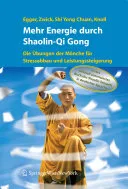
Mehr Energie durch Shaolin-Qi Gong
 74
74

Mehr Energie durch Shaolin-Qi Gong
The strength of Robert Egger and Hartmut Zwick's "Mehr Energie durch Shaolin-Qi Gong" lies in its accessible presentation of complex Shaolin principles. The integration of Shi Yong Chuan's expertise lends authenticity. The book effectively translates the monks' focus on concentrated mental work and physical transformation into actionable steps for Western readers. However, the reliance on drawings for exercise depiction, while common for the genre, can sometimes lack the nuanced detail required for perfect form, potentially leading to misinterpretation for absolute beginners. A particularly illustrative section details the transformation of muscles, tendons, and ligaments as a prerequisite for energy gain, highlighting the physical grounding of these practices. While the book offers a solid introduction, advanced practitioners might seek more depth in the theoretical underpinnings of Qi cultivation. It serves as a practical manual for energizing the body and mind through ancient Shaolin methods.
📝 Description
74
Published in 2006, Mehr Energie durch Shaolin-Qi Gong offers methods for energy cultivation from Shaolin Buddhist traditions.
This 2006 book introduces energy cultivation techniques rooted in Shaolin Buddhist traditions. Authors Robert Egger, Hartmut Zwick, and Shi Yong Chuan detail exercises aimed at building energy reserves, improving circulation, and increasing oxygen intake. The text guides readers toward greater vitality by transforming muscles, tendons, and ligaments. It provides practical tools for stress reduction and enhanced performance. The work is for individuals who want to blend ancient Eastern practices with modern Western life, especially those dealing with stress or seeking better physical and mental capabilities. Martial artists, meditators, and those interested in the energy management methods of Shaolin monks will find useful instruction here. The book focuses on generating and circulating Qi, or vital energy, through focused mental effort and specific physical movements. It highlights how conditioning muscles, tendons, and ligaments contributes to energetic health. Qi Gong is presented as a complete system rather than just a collection of exercises.
The book draws from the centuries-old practices of the Shaolin Temple, a historical center for Chan Buddhism and martial arts in China. Qi Gong, a system involving posture, movement, breathing, and meditation, has ancient roots and is used for health, spirituality, and martial training. This publication aims to make these time-tested techniques accessible to a contemporary, Western audience, bridging the gap between monastic discipline and daily life.
💡 Why Read This Book?
• Learn specific methods for cultivating internal energy and stimulating circulation, directly referencing the Shaolin monks' ancient knowledge as detailed in the 2006 publication. • Discover how transforming muscles, tendons, and ligaments can lead to increased oxygen intake and greater vitality, a core concept presented through illustrated exercises. • Gain practical techniques for stress reduction and performance enhancement, drawing from the practical teachings of Robert Egger, Hartmut Zwick, and Shi Yong Chuan.
⭐ Reader Reviews
Honest opinions from readers who have explored this book.
❓ Frequently Asked Questions
What is the primary goal of the exercises in Mehr Energie durch Shaolin-Qi Gong?
The primary goal is to build energy reserves, stimulate circulation, and increase oxygen intake, leading to greater vitality and stress resilience, as explained in the book's 2006 edition.
How does the book connect Shaolin monks' practices to Westerners?
It bridges the gap by translating ancient knowledge of energy cultivation and physical transformation into understandable instructions and exercises suitable for individuals outside of monastic life.
What physical aspects are emphasized for energy gain?
The book emphasizes the transformation of muscles, tendons, and ligaments as a crucial pathway to building energy and improving the body's capacity for oxygen and circulation.
Are the exercises in the book suitable for beginners?
Yes, the book provides simple, understandable instructions and drawings to guide readers, aiming to make the practices accessible even for those new to Qi Gong.
Who are the authors of Mehr Energie durch Shaolin-Qi Gong?
The authors are Robert Egger, Hartmut Zwick, and Shi Yong Chuan, with the first publication date being November 3, 2006.
What benefits can readers expect from practicing the presented Qi Gong methods?
Readers can expect to successfully reduce stress, increase physical and mental performance, and gain a deeper understanding of energy circulation within the body.
🔮 Key Themes & Symbolism
Qi Cultivation
The central theme is the cultivation and circulation of Qi, or vital energy, as practiced by Shaolin monks. The book details how focused mental intention, combined with specific physical postures and movements, can lead to the generation of internal power. This energy is not merely abstract but is directly linked to physical well-being, impacting circulation, oxygen intake, and overall vitality. Readers are guided through processes designed to build a robust energetic foundation, moving beyond superficial techniques to a deeper energetic transformation.
Physical Transformation for Vitality
A significant focus is placed on the body as the vessel for energy. The work meticulously explains how the transformation of muscles, tendons, and ligaments is fundamental to achieving higher energy levels. This isn't about brute strength but about developing resilient, flexible, and efficient structures that can better channel and retain Qi. The book illustrates how this physical conditioning directly supports increased oxygen flow and improved circulation, creating a tangible link between physical health and energetic capacity.
Stress Reduction and Performance
The practical application of Shaolin Qi Gong for contemporary life is a core objective. The authors present the exercises as a potent tool for combating stress and enhancing both mental and physical performance. By learning to manage and increase their internal energy, readers are shown how to achieve greater focus, resilience, and efficiency in their daily activities. The book offers a direct pathway from ancient monastic discipline to modern-day well-being and productivity.
Bridging East and West
This work serves as a bridge, bringing the profound wisdom of the Shaolin Temple to a Western audience. It acknowledges the shared human experience of long periods of seated, concentrated work between monks and modern individuals. The book explains complex Eastern concepts, making them accessible through clear language and visual aids. It validates the enduring relevance of these ancient practices for contemporary health and spiritual development, fostering cross-cultural understanding in the pursuit of vitality.
💬 Memorable Quotes
Direct passages from the work, attributed to the author.
“The path to energy gain leads through the transformation of muscles, tendons, and ligaments.”
— This highlights the book's foundational principle: true energetic development is rooted in physical conditioning. It suggests that flexibility and resilience in the body's connective tissues are prerequisites for effectively building and circulating Qi, linking physical health directly to spiritual and energetic potency.
“Concentrated mental work and physical exercises lead to increased oxygen in the body.”
— This illustrates the synergy between mind and body presented in the text. It points to the scientific-observable benefit (increased oxygen) derived from practices that integrate mental focus with physical movement, a key outcome of effective Qi Gong.
“Shaolin monks and people in the West are connected by long sitting and concentrated, mental work.”
— This observation establishes common ground between monastic life and modern existence. It validates the relevance of Shaolin practices by showing how the mental discipline and sedentary aspects of their tradition mirror challenges faced by individuals in the West, suggesting a shared need for energy cultivation.
“Learn how to successfully reduce stress and increase your performance.”
— This direct statement frames the practical outcome of engaging with the book's teachings. It promises tangible benefits—stress relief and enhanced capability—achieved through the application of the presented Qi Gong techniques.
💡 Key Ideas
Editorial paraphrase of the work's core concepts — not direct quotes.
We benefit from the old knowledge of the monks by learning how energy is built and circulation is stimulated.
This paraphrased concept underscores the book's purpose: to make ancient Shaolin wisdom practical for modern life. It emphasizes the transfer of knowledge concerning energy generation and flow, positioning the reader as a recipient of time-tested methods for enhanced vitality.
🌙 Esoteric Significance
Tradition
The work draws heavily from the Chan Buddhist (Zen) tradition as exemplified by the Shaolin Temple, a lineage that historically blended spiritual practice with physical discipline. While not strictly a 'textbook' of esoteric philosophy, its focus on cultivating and manipulating Qi places it within the broader umbrella of vitalist traditions found across many Eastern spiritual paths, including Taoism and traditional Chinese medicine. It bridges the gap between monastic spiritual training and practical energy work accessible to lay practitioners.
Symbolism
While the book primarily focuses on practical application rather than deep symbolic exegesis, the imagery of the Shaolin Temple itself carries significant weight, symbolizing discipline, spiritual attainment, and martial mastery. The concept of Qi itself is a profound symbol of life force, the invisible energy that animates all things. The transformation of muscles, tendons, and ligaments can be seen symbolically as purifying and strengthening the physical vessel, making it a more suitable dwelling for this vital energy.
Modern Relevance
Contemporary wellness culture, particularly the burgeoning fields of somatic experiencing, trauma-informed movement, and integrated health, can find resonance with the book's emphasis on the body's role in energy regulation and stress management. Modern Qi Gong instructors and practitioners, many of whom are exploring the physiological underpinnings of these practices, utilize foundational principles presented in works like this. It remains relevant for those seeking structured, embodied practices that enhance resilience and vitality in an increasingly demanding world.
👥 Who Should Read This Book
• Individuals interested in the practical application of Shaolin Buddhist principles for health and well-being, seeking to understand how monks cultivate energy. • Practitioners of martial arts or meditation looking to deepen their practice by focusing on internal energy development and physical resilience. • Anyone experiencing stress or seeking to improve physical and mental performance through accessible, ancient energy cultivation techniques.
📜 Historical Context
Published in 2006, "Mehr Energie durch Shaolin-Qi Gong" emerged during a period of significant global interest in Eastern wellness practices. The early 21st century saw a surge in the popularity of yoga, meditation, and martial arts forms like Tai Chi and Qi Gong in Western countries. This book tapped into that trend, specifically focusing on the highly respected Shaolin tradition, known for its integration of Buddhism and martial prowess. While schools like the Shaolin Temple were already globally recognized, accessible guides like this one played an important role in popularizing their energy cultivation methods. The work arrived in an intellectual landscape where mind-body practices were increasingly validated by scientific research, moving from the fringes of esoteric interest to mainstream wellness discourse. It offered a structured approach, distinct from the more fluid philosophies of Western New Age movements, grounding its teachings in specific physical transformations and energy circulation principles.
📔 Journal Prompts
The transformation of muscles, tendons, and ligaments as a path to energy gain.
How the Shaolin monks' concentrated mental work compares to your own.
Stimulating circulation through Qi Gong exercises: initial observations.
The role of increased oxygen intake in your daily energy levels.
Integrating the principles of building energy into your weekly routine.
🗂️ Glossary
Qi Gong
A system of coordinated body posture and movement, deep breathing, and meditation used for health, spirituality, and martial arts training. It aims to cultivate and balance the body's vital energy, known as Qi.
Qi
Often translated as 'vital energy' or 'life force,' Qi is the fundamental concept in traditional Chinese culture referring to the energy that flows through all living things and the universe.
Shaolin
Refers to the Shaolin Temple, a historic Buddhist monastery in China renowned for its development of Chan (Zen) Buddhism and its associated martial arts and Qi Gong practices.
Muscles, Tendons, Ligaments
Key components of the musculoskeletal system. The book emphasizes their transformation (e.g., through flexibility, strength, and resilience) as crucial for energy cultivation and circulation.
Circulation
The movement of blood and lymph throughout the body. In the context of Qi Gong, it refers to both physical blood circulation and the flow of vital energy (Qi).
Oxygen Intake
The process by which the body takes in oxygen from the air. Qi Gong practices aim to enhance this process, leading to increased vitality and improved cellular function.
Stress Reduction
Techniques and practices aimed at decreasing the body's and mind's response to challenging situations. Qi Gong is presented as an effective method for managing stress.