The Secret Doctrine, Vol. 2 of 4: The Synthesis of Science, Religion, and Philosophy
 71
71

The Secret Doctrine, Vol. 2 of 4: The Synthesis of Science, Religion, and Philosophy

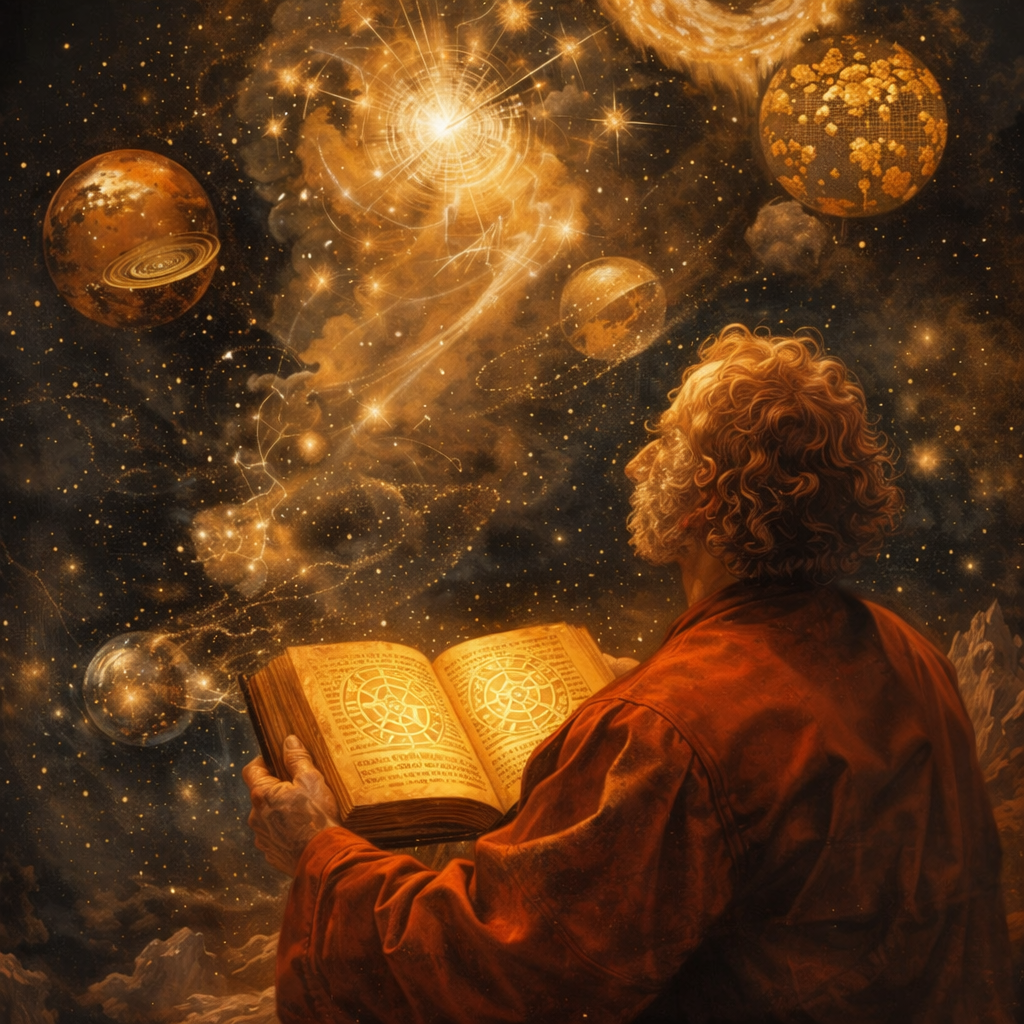

The Secret Doctrine, Vol. 2 of 4, is a monumental work that stands as a testament to H.P. Blavatsky's profound understanding of esoteric teachings. Published in 1888, this volume continues to captivate readers with its synthesis of science, religion, and philosophy. Blavatsky's meticulous research and deep spiritual insights make this book an invaluable resource for modern esoteric seekers. The text is dense with ancient wisdom, drawing from a multitude of mystical traditions and scientific theories to present a cohesive worldview. For those new to Theosophy, the book may seem daunting due to its complexity and the extensive use of esoteric terminology. However, the effort to decipher its teachings is rewarded with a profound sense of spiritual enlightenment. Blavatsky's ability to weave together disparate threads of knowledge into a coherent narrative is truly remarkable. This book is a must-read for anyone serious about exploring the depths of esoteric wisdom.
📝 Description
71
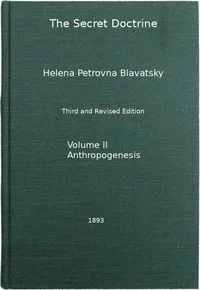
The Secret Doctrine, Volume 2, published in 1888, synthesizes science, religion, and philosophy.
Helena Blavatsky's second volume of The Secret Doctrine continues her ambitious project, begun in 1888, to present a comprehensive system of esoteric thought. This installment focuses on the synthesis of science, religion, and philosophy, drawing parallels between ancient cosmogonies and modern scientific understanding. Blavatsky examines the archaic traditions of various cultures, seeking underlying universal principles. She presents complex metaphysical ideas through detailed commentary on ancient texts and symbols, aiming to reveal a spiritual science that underlies all physical phenomena.
The work is dense with commentary on cycles of existence, root races, and the evolution of consciousness. Blavatsky introduces her concept of the "Great Cycles" and the seven planes of being. She uses extensive quotations from obscure sources, often translated and interpreted by herself, to support her arguments. The book’s aim is to demonstrate a cohesive worldview accessible through the study of ancient wisdom, challenging materialistic interpretations of the universe.
The Secret Doctrine, Volume 2, is a cornerstone text within the Theosophical movement founded by Helena Blavatsky. It seeks to establish a universal religion or "Esoteric Buddhism" that predates all organized faiths. Blavatsky's work draws heavily from Eastern traditions, particularly Hinduism and Buddhism, alongside Hermeticism and Kabbalah, attempting to demonstrate a unified spiritual cosmology. This volume specifically aims to bridge ancient esoteric teachings with contemporary scientific discoveries, presenting a spiritual interpretation of evolution and cosmology that stood in contrast to prevailing Victorian scientific and religious paradigms.
✍️ Author
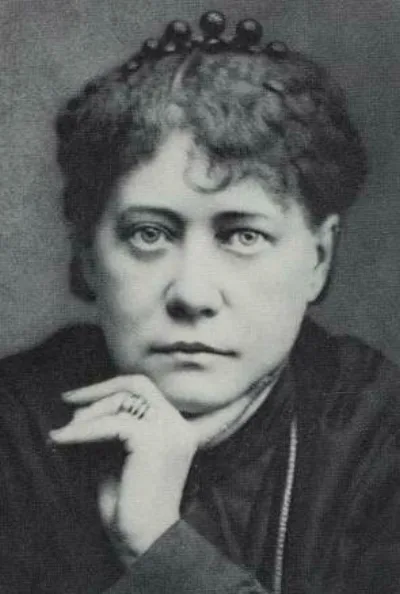
Blavatsky, H. P. (Helena Petrovna)
Helena Petrovna Blavatsky (née Hahn von Rottenstern; 12 August [O.S. 31 July] 1831 – 8 May 1891), often known as Madame Blavatsky, was a Russian and American mystic and writer who co-founded the Theosophical Society in 1875.
💡 Why Read This Book?
Reading The Secret Doctrine, Vol. 2 of 4, today offers readers a unique opportunity to engage with timeless esoteric teachings that remain relevant in the modern world. This book provides a comprehensive synthesis of ancient wisdom, scientific inquiry, and philosophical thought, offering a holistic understanding of the cosmos and our place within it. By delving into Blavatsky's esoteric teachings, readers can gain insights into the spiritual journey of the soul and the evolution of human consciousness. This volume is particularly valuable for those interested in Theosophy, Anthroposophy, and the broader field of esoteric studies.
⭐ Reader Reviews
Honest opinions from readers who have explored this book.
❓ Frequently Asked Questions
What is the main focus of The Secret Doctrine, Vol. 2 of 4?
The main focus of this volume is the synthesis of science, religion, and philosophy, exploring the creation of the universe and the evolution of humanity through an esoteric lens.
Who is the intended audience for this book?
This book is intended for readers interested in Theosophy, Anthroposophy, and esoteric studies, as well as those seeking a deeper understanding of ancient wisdom and spiritual enlightenment.
How does Blavatsky's work contribute to modern esoteric studies?
Blavatsky's work provides a rich tapestry of esoteric knowledge, blending Eastern and Western philosophies to offer a holistic understanding of the cosmos and our place within it, making it a valuable resource for modern esoteric seekers.
🔮 Key Themes & Symbolism
The Synthesis of Science and Spirituality
This volume explores the intersection of scientific inquiry and spiritual wisdom, revealing the underlying principles that connect the material and the divine. Blavatsky's esoteric insights challenge conventional thought and encourage a deeper understanding of the universe.
The Mysteries of Ancient Wisdom
The Secret Doctrine, Vol. 2, studies the hidden knowledge of ancient civilizations, uncovering the esoteric teachings that have been passed down through the ages. This theme is central to theosophical thought and offers a glimpse into the mysteries of the universe.
The Role of Symbolism in Esoteric Traditions
Symbolism plays an important role in the esoteric traditions explored in this volume. Blavatsky's analysis of ancient symbols and their meanings provides a collection of hidden knowledge, inviting readers to explore the deeper layers of reality.
💬 Memorable Quotes
Direct passages from the work, attributed to the author.
“There is no religion without philosophy.”
— Blavatsky emphasizes the inseparable bond between spiritual beliefs and philosophical inquiry.
“The secret doctrine is the essence of all religions.”
— Blavatsky's view of a unified spiritual truth that underlies all religious traditions.
“The symbol is the reflection of the idea.”
— Blavatsky's exploration of the symbolic language that bridges the gap between the visible and the invisible.
💡 Key Ideas
Editorial paraphrase of the work's core concepts — not direct quotes.
The more we learn, the more we realize how much we do not know.
This quote underscores the humility required in the pursuit of knowledge and the endless quest for understanding.
The universe is the periodical manifestation of this unknown essence.
This passage reflects the cyclical nature of existence and the eternal dance of creation and dissolution.
🌙 Esoteric Significance
Tradition
The Secret Doctrine, Vol. 2, belongs to the esoteric tradition of theosophy, which seeks to unify the diverse spiritual and philosophical teachings of the world. This tradition emphasizes the hidden knowledge that underlies all religions and the pursuit of spiritual enlightenment through the study of ancient wisdom.
Symbolism
Key symbols in this volume include the serpent, the cross, and the tree of life, each representing profound esoteric concepts. The serpent symbolizes the eternal cycle of life and death, the cross signifies the intersection of the material and spiritual worlds, and the tree of life embodies the interconnectedness of all existence.
Modern Relevance
The teachings of The Secret Doctrine remain relevant today, influencing modern practitioners of spiritual and esoteric arts. Many contemporary seekers and scholars continue to draw upon Blavatsky's insights to deepen their understanding of the mysteries of the universe and to explore the hidden dimensions of reality.
👥 Who Should Read This Book
This volume is ideal for beginners who are curious about theosophical concepts and the esoteric traditions of the world. Scholars of religion and philosophy will find it a valuable resource for understanding the synthesis of science, religion, and philosophy. Spiritual seekers and practitioners of mystical arts will appreciate the useful insights and hidden knowledge presented in the book. For those who are already familiar with Blavatsky's work, this volume offers a deeper exploration of the themes introduced in earlier volumes.
📜 Historical Context
The Secret Doctrine, Vol. 2, was published in the late 19th century, a time of significant intellectual and spiritual ferment. The era saw a resurgence of interest in esoteric and mystical traditions, as well as a growing curiosity about the hidden dimensions of reality. Blavatsky's work was central in shaping the modern understanding of theosophy and its influence can be seen in various spiritual and philosophical movements that followed. Her exploration of the synthesis between science, religion, and philosophy was groundbreaking, offering a comprehensive framework for understanding the interconnectedness of all existence.
📔 Journal Prompts
How does the synthesis of science and spirituality challenge your current understanding of the universe?
What ancient wisdom can you uncover in your daily life, and how does it connect to the esoteric teachings presented in the book?
Reflect on the role of symbolism in your spiritual practice and how it can deepen your connection to the divine.
How do the esoteric insights in The Secret Doctrine influence your perspective on the interconnectedness of all existence?
What steps can you take to integrate the hidden knowledge presented in the book into your spiritual journey?
🗂️ Glossary
Theosophy
The study of the divine and the mysteries of the universe, seeking to unify spiritual and philosophical teachings.
Esoteric
Relating to knowledge that is hidden or secret, often reserved for initiates or those with specialized knowledge.
Symbolism
The use of symbols to represent abstract ideas or spiritual concepts, often found in religious and mystical traditions.
Ancient Wisdom
The accumulated knowledge and teachings of ancient civilizations, often preserved in esoteric and mystical traditions.
Spiritual Enlightenment
The state of heightened spiritual awareness and understanding, achieved through the pursuit of knowledge and spiritual practices.
This book appears in 2 collections
🔮 Readers Also Liked
Browse all →


More by Blavatsky, H. P. (Helena Petrovna)
All books →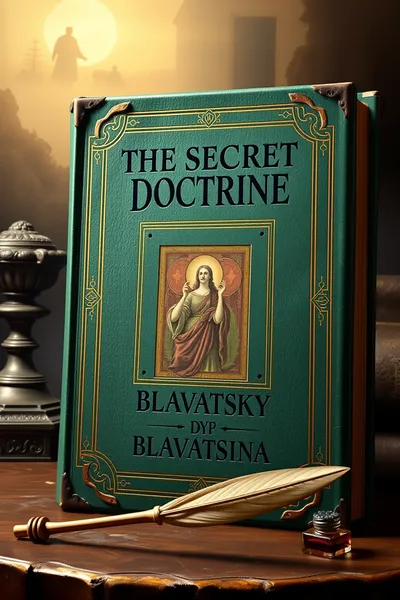
From the “Theosophy” Collection
View all →


More Free Theosophy & Anthroposophy Books
View all →