What are Lost Civilizations?
Lost civilizations refer to societies, often ancient or mythical, whose existence is not fully recognized or understood by mainstream historical consensus. They are frequently posited as having possessed advanced knowledge, technology, or spiritual understanding that predates known historical periods. Theories surrounding them often involve catastrophic events leading to their disappearance, leaving behind enigmatic ruins or scattered evidence. These concepts are explored in historical texts, archaeological speculation, and various esoteric traditions.
Best Books for Complete Beginners
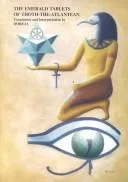
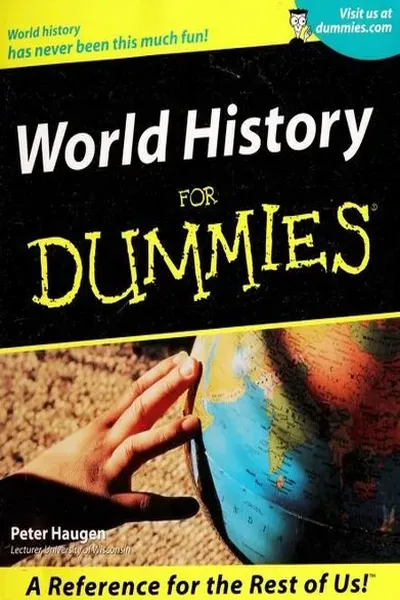
For those new to the subject, starting with accessible overviews is recommended. Ignatius Donnelly's 'Atlantis, the Antediluvian World' (1891) provides a comprehensive, albeit dated, argument for a global antediluvian civilization. 'World History for Dummies' by Peter Haugen offers a broad context for understanding historical timelines and where theories of lost civilizations fit. 'The Emerald Tablets of Thoth The Atlantean' by Dr. M Doreal presents a foundational esoteric text, though its authenticity is debated. 'How I Found the Lost Atlantis, The Source of All Civilization' by Dr. Paul Schliemann (1912) offers an early 20th-century perspective on Atlantean discovery.
Intermediate Reading
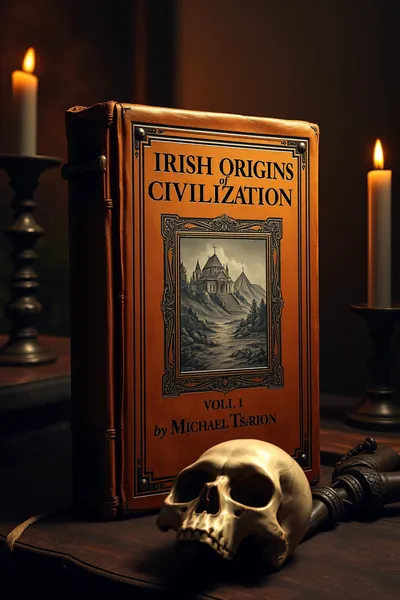
Moving beyond introductory texts, explore more detailed explorations. W. Scott-Elliot's 'The Story of Atlantis' (1896) and 'The Lost Lemuria' (1904) offer detailed descriptions of these legendary continents, drawing from earlier sources. 'Irish Origins of Civilization Vol 1' by Michael Tsarion (2008) examines potential pre-historic civilizations in Ireland. Alexandra David Neel's 'Magic & Mystery In Tibet' provides insights into esoteric traditions that often intersect with theories of lost knowledge. 'The Secret History Of The World' offers a broad, often controversial, survey of hidden historical narratives.
Classical / Advanced Texts
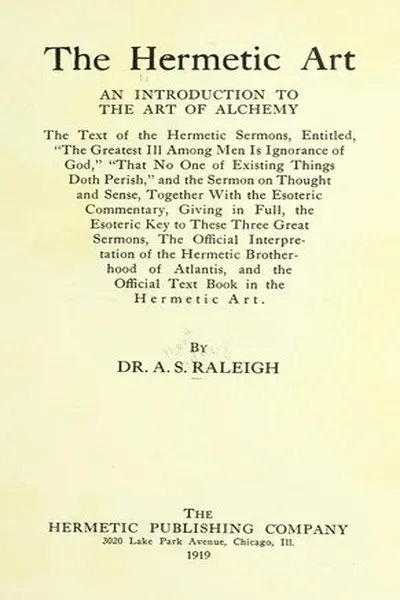
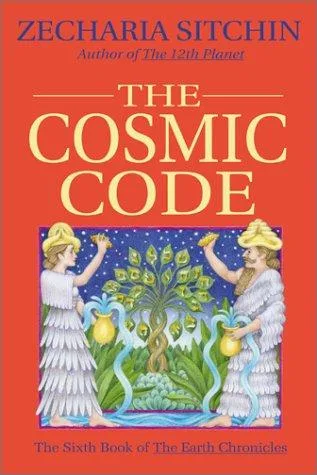
Advanced study often involves engaging with primary or highly influential esoteric works. H. P. Blavatsky's 'The Secret Doctrine' (Vols. 1-4) is a monumental work that attempts to synthesize science, religion, and philosophy, positing a complex cosmology with root races and ancient wisdom. Zecharia Sitchin's 'The Cosmic Code' explores ancient astronaut theories and interpretations of Sumerian texts. 'The Hermetic art' by A. S. Raleigh looks at alchemical and mystical traditions that often inform theories of ancient knowledge. Plato's dialogues, such as those referenced in Luc Brisson's 'Plato the myth maker', are foundational to Western discussions of Atlantis.
Reading Order — Step by Step
Begin with broad overviews like 'World History for Dummies' to establish a chronological framework. Next, engage with foundational theories of lost continents like Ignatius Donnelly's 'Atlantis, the Antediluvian World' (Week 1-2). Progress to W. Scott-Elliot's 'The Story of Atlantis' and 'The Lost Lemuria' in Month 2 for more detailed accounts. By Month 3, tackle H. P. Blavatsky's 'The Secret Doctrine' and Zecharia Sitchin's 'The Cosmic Code' for deeper, more complex esoteric and theoretical explorations. Supplement with specialized texts like 'Irish Origins of Civilization' or 'Magic & Mystery In Tibet' as interest dictates.
Frequently Asked Questions
Which lost civilization book should I read first?
For a foundational understanding, start with Ignatius Donnelly's 'Atlantis, the Antediluvian World' (1891). It's a classic text that laid much of the groundwork for subsequent theories about lost continents and ancient global civilizations.
Are there books on lost civilizations that are not about Atlantis?
Yes, several texts explore other legendary or theorized lost civilizations. W. Scott-Elliot's 'The Lost Lemuria' discusses the continent of Lemuria, while Michael Tsarion's 'Irish Origins of Civilization' examines potential prehistoric societies in Ireland.
What is the difference between historical and esoteric accounts of lost civilizations?
Historical accounts rely on archaeological evidence and documented history, often viewing lost civilizations as speculative. Esoteric accounts, like those in 'The Secret Doctrine' by H. P. Blavatsky, incorporate spiritual, philosophical, and sometimes mythical elements to describe advanced ancient peoples.
Are the theories in these books scientifically accepted?
Many theories presented in books on lost civilizations, such as the existence of Atlantis or Lemuria as described, are not accepted by mainstream archaeology or history. They are often considered speculative, pseudoscientific, or part of esoteric traditions.
Where can I find information on the influence of lost civilizations?
Look for texts that connect ancient myths, symbols, and structures to potential lost civilizations. Authors like Zecharia Sitchin ('The Cosmic Code') explore ancient texts for evidence of extraterrestrial influence, while H. P. Blavatsky discusses the transmission of ancient knowledge across eras.
What are the primary sources for Atlantis myths?
The primary ancient source for the Atlantis myth is Plato, specifically in his dialogues 'Timaeus' and 'Critias'. Many later works, like Ignatius Donnelly's 'Atlantis, the Antediluvian World', build upon or interpret Plato's account.