Theosophy and Christianity
 78
78

Theosophy and Christianity

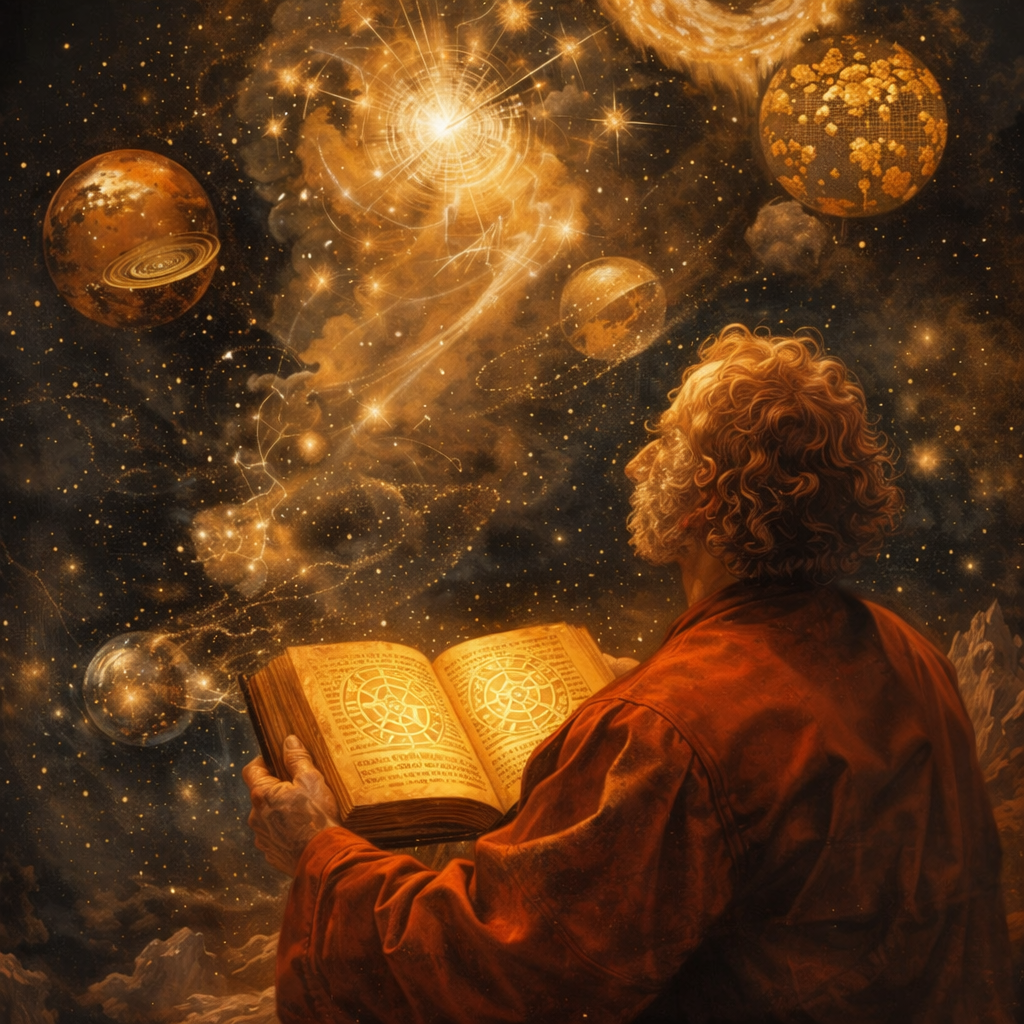

Theosophy and Christianity by Ernest Reginald Hull is a seminal work that bridges the gap between two of the world's most influential spiritual traditions. Published in 1905, this book offers a deep dive into the esoteric doctrines that unite Theosophy and Christianity, providing readers with a fresh perspective on their shared mystical roots. Hull's writing is both scholarly and accessible, making it a valuable resource for modern esoteric seekers. The book's exploration of the unity of all religions and the nature of the divine is particularly enlightening, offering insights that are as relevant today as they were over a century ago. For those interested in the spiritual underpinnings of religion and philosophy, this text is a must-read. It not only enriches one's understanding of Theosophy and Christianity but also provides a broader context for the spiritual quest.
📝 Description
78
Ernest Reginald Hull's 1912 book examines the connections between Theosophy and Christian doctrine.
In 'Theosophy and Christianity,' Hull investigates the points of convergence between the Theosophical movement and established Christian theology. He analyzes how Theosophical interpretations of scripture and spiritual concepts align with or diverge from traditional Christian beliefs. The work addresses specific doctrines, symbols, and figures common to both traditions, seeking to illuminate a shared underlying spiritual reality. Hull's approach is analytical, aiming to clarify the philosophical underpinnings of these connections for the reader. He focuses on presenting the material in a way that highlights the intellectual and spiritual parallels. The book is structured to guide the reader through a comparative study of these two significant spiritual frameworks.
This text details Hull's perspective on how Theosophy engaged with Christian concepts, such as the nature of Christ, the meaning of salvation, and the structure of the spiritual cosmos. He draws upon Theosophical literature and Christian scripture to build his arguments. The aim is to show how a modern esoteric movement understood and reinterpreted ancient Christian mysteries. The book offers a historical look at how esoteric thought interacted with mainstream religion in the early 20th century.
This book sits within the early 20th-century esoteric revival, specifically the Theosophical current inspired by Helena Blavatsky. It engages with the movement's attempt to synthesize Eastern religions, Western occultism, and philosophical inquiry into a coherent worldview. Hull's work reflects the Theosophical interest in finding universal truths behind diverse religious expressions, often reinterpreting Christian figures and narratives through an esoteric lens. It is part of a broader tradition of comparative religion and spiritual philosophy that sought to uncover hidden spiritual laws or divine plans.
💡 Why Read This Book?
Reading Theosophy and Christianity today offers a unique opportunity to explore the esoteric foundations of two major spiritual traditions. Ernest Hull's insights provide a bridge between Eastern and Western thought, helping readers understand the deeper spiritual principles that unite them. This book is particularly valuable for those seeking to deepen their spiritual practice or gain a broader perspective on the mystical aspects of religion. It is a timeless resource for spiritual seekers, scholars, and anyone curious about the esoteric traditions that have shaped modern spirituality.
⭐ Reader Reviews
Honest opinions from readers who have explored this book.
❓ Frequently Asked Questions
What is the main focus of Theosophy and Christianity?
The main focus of Theosophy and Christianity is the exploration of the esoteric doctrines that connect Theosophy and Christianity, offering insights into their shared spiritual philosophies and practices.
Is this book suitable for beginners in esoteric studies?
Yes, while it is scholarly, Hull's writing is accessible and provides a foundational understanding of the esoteric principles that unite Theosophy and Christianity, making it suitable for beginners.
What historical context does this book provide?
Published in 1905, the book reflects the spiritual movements of the early 20th century, when Theosophy was gaining significant influence and shaping modern esoteric thought.
🔮 Key Themes & Symbolism
Theosophical Principles
Hull examines the core principles of Theosophy, exploring how they intersect with Christian mysticism. This theme reveals the hidden knowledge that lies at the heart of both traditions, offering insights into the divine mysteries that connect them.
Spiritual Symbolism
The book examines the detailed symbolism found in both Theosophy and Christianity, uncovering the layers of meaning that lie beneath the surface. This theme invites readers to explore the esoteric dimensions of faith and spirituality, revealing the interconnectedness of divine mysteries.
Philosophical Significance
Hull's insights into the philosophical significance of Theosophy and Christianity provide a deep understanding of the spiritual dimensions of faith. This theme offers a collection of esoteric wisdom, making it an essential read for seekers of spiritual enlightenment.
💬 Memorable Quotes
Direct passages from the work, attributed to the author.
“The intersection of Eastern and Western spiritual traditions reveals the interconnectedness of all things.”
— This insight highlights the unity of spiritual wisdom across different traditions, emphasizing the universal nature of divine mysteries.
💡 Key Ideas
Editorial paraphrase of the work's core concepts — not direct quotes.
The divine mysteries are hidden in plain sight, waiting to be revealed by the seeker.
This quote underscores the esoteric nature of spiritual knowledge, suggesting that divine truths are accessible to those who seek them.
Theosophy offers a pathway to deeper understanding of Christian mysticism.
This quote suggests that Theosophy can enhance one's appreciation of Christian mysticism, revealing hidden dimensions of faith.
Spiritual symbolism is the language of the divine, speaking to the soul.
This passage emphasizes the importance of symbolism in spiritual exploration, suggesting that symbols hold deep, esoteric meanings.
The seeker of truth must be willing to explore the hidden dimensions of faith.
This quote encourages readers to study the mystical aspects of their spirituality, seeking deeper understanding and enlightenment.
🌙 Esoteric Significance
Tradition
This book belongs to the Hermetic tradition, which seeks to uncover the hidden wisdom of the ancient world. It draws on both Theosophical and Christian mysticism, revealing the interconnectedness of divine mysteries.
Symbolism
Key symbols in this book include the cross, the lotus, and the serpent, each representing different aspects of spiritual enlightenment and divine knowledge. These symbols are explored in depth, revealing their esoteric meanings and significance.
Modern Relevance
This book remains relevant today as modern practitioners continue to explore the mystical connections between different spiritual traditions. It is often used in esoteric studies and spiritual practices, offering insights into the hidden dimensions of faith and spirituality.
👥 Who Should Read This Book
Beginners interested in spiritual exploration will find this book accessible and enlightening, offering a gentle introduction to the mystical connections between Theosophy and Christianity. Scholars of the occult will appreciate the depth of research and esoteric insights, making it a valuable resource for academic study. Spiritual seekers will benefit from the profound wisdom and philosophical significance, while practitioners of esoteric arts will find practical applications and deeper understanding.
📜 Historical Context
Published in an era of spiritual awakening and intellectual curiosity, 'Theosophy and Christianity' reflects the growing interest in the mystical connections between Eastern and Western spiritual traditions. Hull's work was important during its time as it provided a bridge between different faiths, revealing the hidden knowledge that lies at the heart of both Theosophy and Christianity. The book's influence can still be seen in modern spiritual and esoteric circles, where seekers continue to explore the deeper dimensions of faith and spirituality.
📔 Journal Prompts
Reflect on the mystical connections between Theosophy and your own spiritual beliefs.
Explore the symbolism in your faith and consider its esoteric meanings.
How does understanding Theosophy enhance your appreciation of Christian mysticism?
What hidden dimensions of faith have you discovered through this book?
Consider the universal nature of divine mysteries and their relevance to your spiritual journey.
🗂️ Glossary
Theosophy
A philosophical and spiritual movement that seeks to uncover the hidden wisdom of the ancient world, often drawing on Eastern and Western spiritual traditions.
Christian Mysticism
The practice of seeking direct, personal experience of the divine, often through contemplative and meditative practices.
Esoteric
Relating to knowledge that is intended for a small, select group of people, often involving hidden or mystical truths.
Symbolism
The use of symbols to represent ideas or qualities, often in a mystical or esoteric context.
Divine Mysteries
The hidden, sacred truths that lie at the heart of spiritual and religious traditions, often revealed through esoteric knowledge and practices.
This book appears in 2 collections
🔮 Readers Also Liked
Browse all →



From the “Theosophy” Collection
View all →



More Free Theosophy & Anthroposophy Books
View all →