The religion of Plutarch: A pagan creed of apostolic times
 69
69

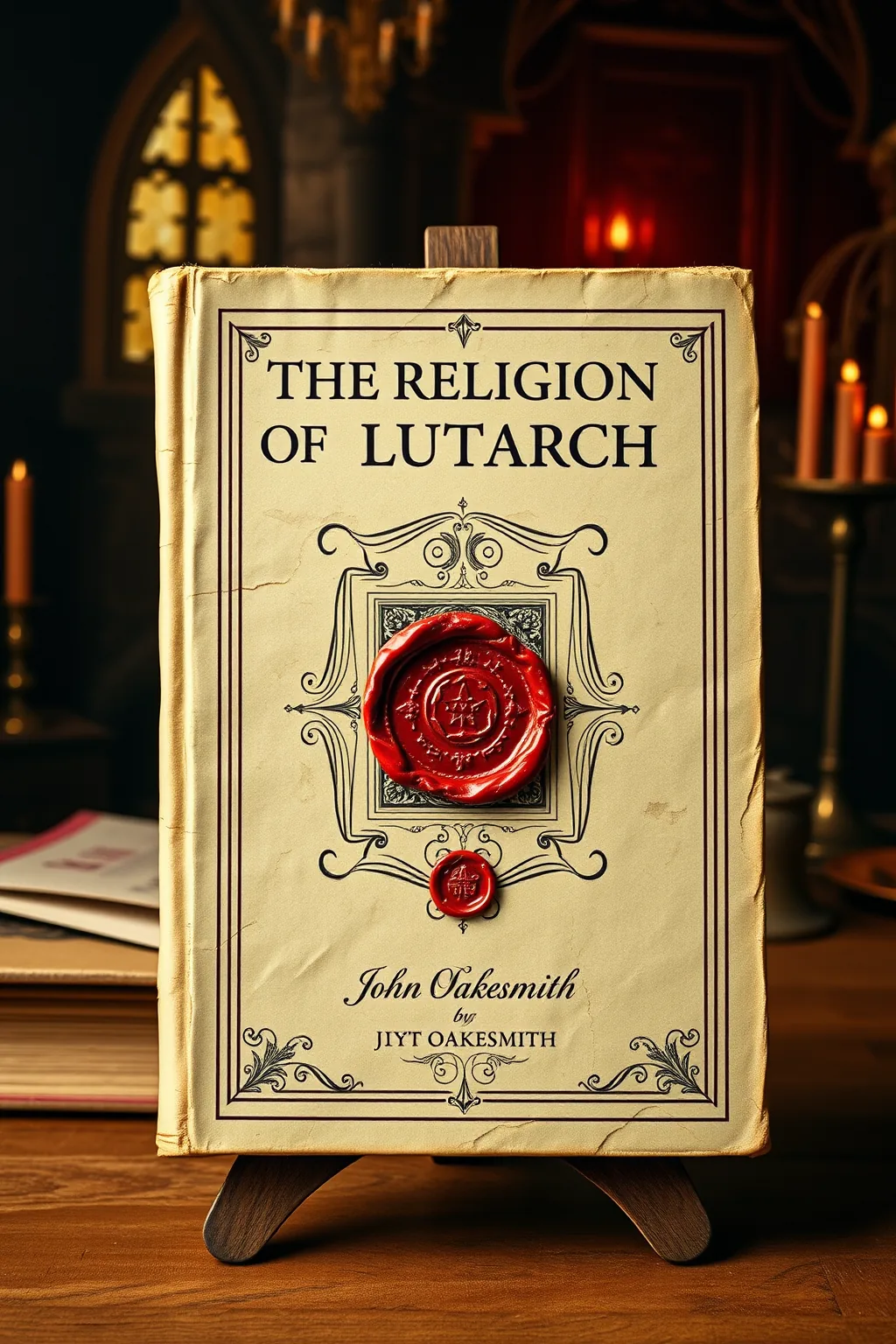
The religion of Plutarch: A pagan creed of apostolic times



John Oakesmith's 'The Religion of Plutarch: A Pagan Creed of Apostolic Times' is a meticulously researched and thoughtfully presented exploration of Plutarch's religious beliefs. The book is a treasure trove of esoteric knowledge, offering insights into the mystical and philosophical thought of one of antiquity's greatest minds. For modern esoteric seekers, this text provides a valuable window into the ancient pagan traditions that have influenced Western spirituality for centuries. Oakesmith's scholarly approach makes the complex ideas of Plutarch accessible to a contemporary audience, while his deep understanding of the subject matter ensures that the book is both informative and engaging. The value of this text lies in its ability to connect the past with the present, offering readers a chance to explore the timeless questions of faith and spirituality. This book is a must-have for anyone interested in the esoteric and occult traditions of the ancient world.
📝 Description
69
John Oakesmith's 1914 study examines Plutarch's religious thought as a pagan creed during the apostolic age.
John Oakesmith's 1914 book, 'The Religion of Plutarch: A Pagan Creed of Apostolic Times,' examines the philosophical and religious ideas of Plutarch within the context of the early Christian era. Oakesmith focuses on Plutarch's syncretic approach to religion, which drew from various Greek and Egyptian traditions. The author details how Plutarch interpreted deities, rituals, and the afterlife, presenting a vision of paganism that was both sophisticated and deeply spiritual.
This work is not a simple historical account but an analysis of a belief system that coexisted with nascent Christianity. Oakesmith highlights Plutarch's emphasis on divine providence and the pursuit of virtue as central tenets. The book investigates the symbolic language and allegorical meanings present in Plutarch's writings, revealing a complex spiritual framework. It serves as a window into a period of significant religious transition, where older traditions adapted and responded to new theological currents.
This book engages with the esoteric traditions by analyzing Plutarch's philosophical theology, which presented a complex, mystical understanding of the divine accessible through reason and ritual. Oakesmith positions Plutarch's thought as a sophisticated pagan response to the spiritual currents of his time, a time when esoteric practices and mystery cults were prevalent. The study highlights the symbolic interpretation of religious phenomena, a hallmark of esoteric thought. It shows how pagan thinkers sought deeper, hidden meanings in myths and rituals, offering an alternative spiritual path to that of the emerging Christian faith.
✍️ Author
💡 Why Read This Book?
Reading 'The Religion of Plutarch: A Pagan Creed of Apostolic Times' today offers a unique opportunity to engage with the esoteric and occult beliefs of one of antiquity's most influential philosophers. This book provides a deep dive into the religious and philosophical thought of the first century AD, offering insights that can enrich one's spiritual journey. Whether you are a scholar of ancient religion, a practitioner of modern paganism, or simply curious about the mystical traditions of the past, this text offers valuable knowledge and wisdom. By exploring Plutarch's beliefs, readers can gain a deeper understanding of the religious context of the early Christian era and the enduring influence of pagan thought on Western spirituality.
⭐ Reader Reviews
Honest opinions from readers who have explored this book.
❓ Frequently Asked Questions
Who was Plutarch and why is his religion significant?
Plutarch was a Greek philosopher and writer known for his profound insights into the mysteries of the divine and the human condition. His religious beliefs are significant because they offer a counterpoint to the emerging Christian beliefs of the early Christian era, providing a rich tapestry of ancient pagan thought.
What themes does 'The Religion of Plutarch' explore?
The book explores key themes such as the nature of the gods, the soul, and the afterlife, providing a deep dive into the esoteric and occult beliefs of Plutarch.
Who should read this book?
This book is ideal for scholars of ancient religion, practitioners of modern paganism, and anyone interested in the esoteric and occult traditions of the ancient world.
🔮 Key Themes & Symbolism
Mystical Beliefs of Pagan Creeds
Look at the mystical beliefs that shaped the spiritual range of the early Christian era. Oakesmith's work offers a deep exploration of the esoteric traditions and hidden knowledge that were integral to pagan creeds. This theme is essential for understanding the mystical underpinnings of ancient religion and how they influenced the development of spiritual thought.
Symbolism and Hidden Knowledge
Discover the strong symbolism and hidden knowledge that permeated the religious practices of the time. Oakesmith's meticulous research reveals the intricate web of symbols and their meanings, providing a unique perspective on the esoteric insights of Plutarch. This theme is crucial for anyone interested in the mystical and occult traditions that have shaped human spirituality.
Philosophical Significance of Pagan Creeds
Explore the philosophical significance of pagan creeds and their impact on early Christian thought. Oakesmith's work bridges the gap between ancient wisdom and modern spiritual seekers, offering a collection of mystical insights that resonate across the ages. This theme is particularly relevant for scholars and practitioners of esoteric traditions.
💬 Memorable Quotes
Direct passages from the work, attributed to the author.
“Symbolism is the language of the divine, spoken in the heart of the seeker.”
— Oakesmith highlights the significance of symbolism in understanding the mystical underpinnings of ancient religion.
💡 Key Ideas
Editorial paraphrase of the work's core concepts — not direct quotes.
The mysteries of the gods are not for the profane but for the initiated.
This quote underscores the esoteric nature of pagan beliefs, emphasizing the importance of hidden knowledge and the initiation process.
The wisdom of the ancients is a rich source of hidden truths.
This quote emphasizes the value of ancient wisdom in the search for spiritual enlightenment.
The pagan creeds offer a pathway to the divine, shrouded in mystery and symbolism.
This quote captures the essence of the mystical journey that Oakesmith explores in his work.
In the heart of the pagan mysteries lies the key to understanding the divine.
This quote underscores the deep spiritual insights that can be gained from exploring the esoteric traditions of the pagan creeds.
🌙 Esoteric Significance
Tradition
This book belongs to the Hermetic and Neoplatonic traditions, which emphasize the mystical and esoteric insights of ancient philosophers like Plutarch. These traditions focus on the hidden knowledge and symbolism that were integral to the spiritual practices of the time, offering a collection of mystical insights that resonate across the ages.
Symbolism
Key symbols in this work include the mystery of the divine, the initiation process, and the language of the gods. These symbols are deeply rooted in the esoteric traditions of the pagan creeds, providing a unique perspective on the mystical underpinnings of ancient religion. The symbolism in this book is crucial for understanding the hidden knowledge and spiritual insights that were integral to the spiritual practices of the time.
Modern Relevance
This book is relevant today for its exploration of the mystical and esoteric traditions that have shaped human spirituality. Modern practitioners of Hermeticism and Neoplatonism use this work to deepen their understanding of the hidden knowledge and symbolism that were integral to the spiritual practices of the ancient world. This book offers a rich and evocative journey into the mystical heart of ancient religion, providing a unique perspective on the spiritual range of the early Christian era.
👥 Who Should Read This Book
Beginners in the field of esoteric studies will find this book to be an accessible introduction to the mystical and occult traditions of ancient religion. Scholars of ancient religion will appreciate the deep historical research and esoteric insights that Oakesmith provides. Spiritual seekers will be drawn to the strong symbolism and hidden knowledge that permeate the book, offering a pathway to spiritual enlightenment. Practitioners of esoteric traditions will find this book to be an invaluable resource for understanding the mystical underpinnings of ancient religion and their influence on modern spiritual thought.
📜 Historical Context
Written in the early 20th century, 'The Religion of Plutarch' provides a detailed exploration of the pagan beliefs that coexisted with early Christianity. During this time, the spiritual landscape was rich with mystical and esoteric traditions, and Plutarch's writings offered a window into the hidden knowledge and symbolism that were integral to these beliefs. Oakesmith's work is significant for its ability to shed light on the mystical underpinnings of ancient religion and their influence on the development of spiritual thought. This book is an essential resource for understanding the spiritual practices and philosophical underpinnings of the pagan creeds that shaped the early Christian era.
📔 Journal Prompts
Reflect on the mystical beliefs that shaped the spiritual range of the early Christian era.
Consider the significance of symbolism in understanding the esoteric insights of Plutarch.
Explore the philosophical significance of pagan creeds and their impact on early Christian thought.
How does the hidden knowledge of the pagan creeds influence your spiritual journey?
What are the key symbols in 'The Religion of Plutarch' and how do they resonate with your spiritual practices?
🗂️ Glossary
Esoteric Tradition
A spiritual or philosophical tradition that emphasizes hidden knowledge and mystical insights, often involving initiation and symbolic practices.
Pagan Creeds
The religious beliefs and practices of the ancient world, often characterized by a focus on nature, mythology, and mystical experiences.
Symbolism
The use of symbols to convey hidden meanings and spiritual insights, often integral to esoteric traditions and mystical practices.
Mystical Insights
Deep spiritual understandings that go beyond rational thought, often gained through contemplation, meditation, and initiation processes.
Hidden Knowledge
Esoteric information and wisdom that is not readily accessible to the uninitiated, often revealed through spiritual practices and initiation processes.
This book appears in 2 collections
🔮 Readers Also Liked
Browse all →








From the “Witchcraft” Collection
View all →









More Free Witchcraft & Paganism Books
View all →